


Film & TV7 min(s) read
5 twisted details left out of Mackenzie Shirilla Netflix doc

Netflix’s new documentary The Crash dives into one of America’s most disturbing true crime cases, but viewers are now discovering several harrowing details were left out entirely.
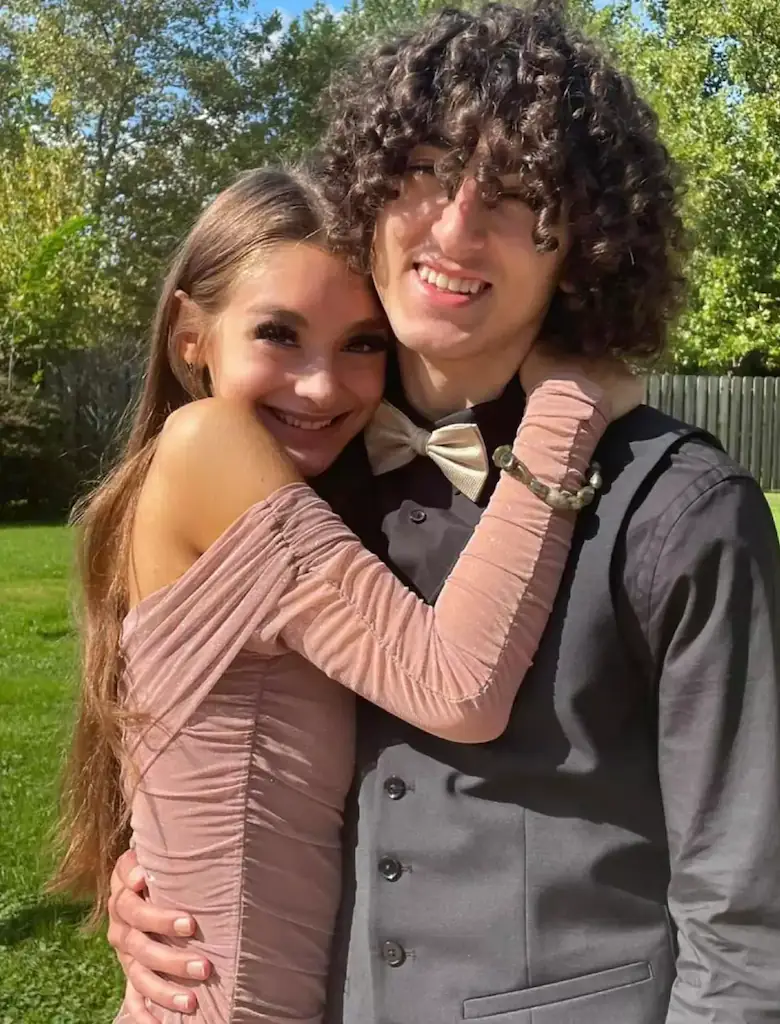
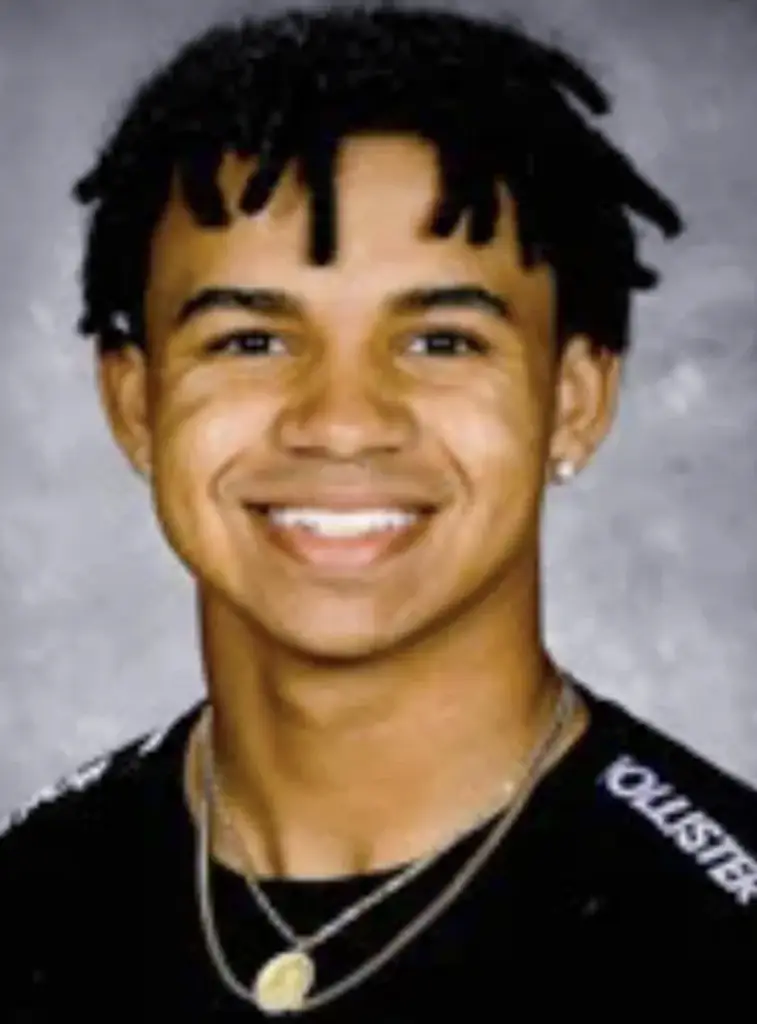
The documentary, which premiered on May 15, explores the 2022 crash that killed 20-year-old Dominic Russo and 19-year-old Davion Flanagan after Mackenzie Shirilla slammed her Toyota Camry into a brick wall at more than 100 mph.
Shirilla, who was 17 at the time, survived the crash with serious injuries before later being convicted on 12 charges, including murder, aggravated vehicular homicide, felonious assault, and drug possession.
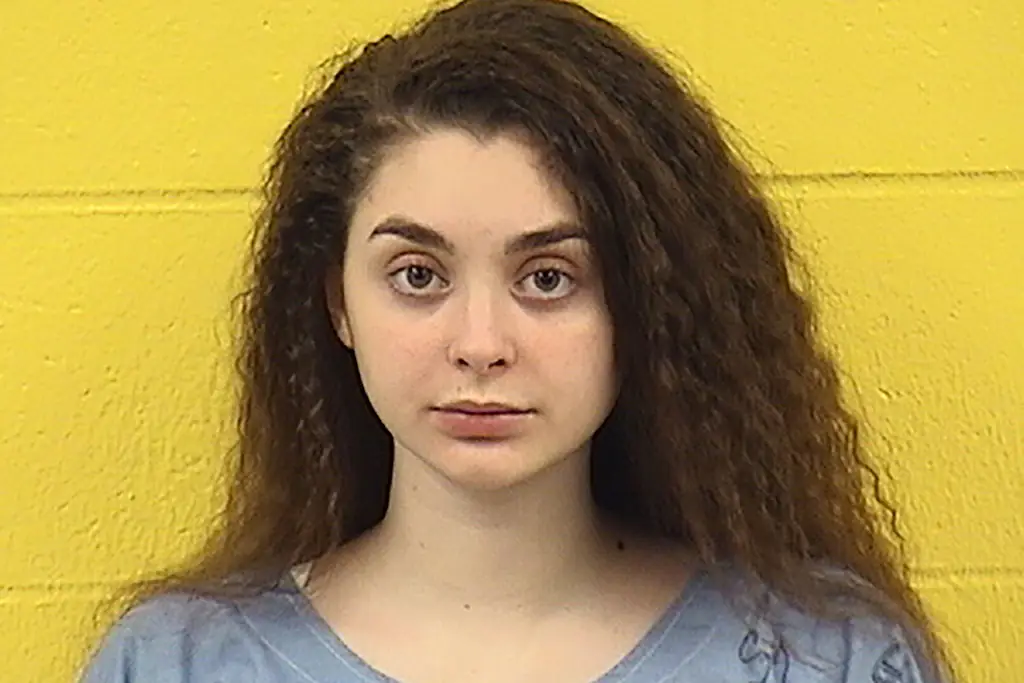
In August 2023, Shrilla was sentenced to life in prison with the possibility of parole after 15 years, receiving two concurrent life sentences.
But according to Law&Crime Network’s On The Case with Chris Stewart, several explosive details never made it into Netflix’s documentary.

Prosecutors claimed the relationship was 'toxic'
One of the biggest facts left out of the documentary involved prosecutors' claims about Shirilla and Russo’s relationship.
While Shirilla’s parents described the couple as experiencing "young love," prosecutors argued the relationship was "toxic" and potentially central to the motive behind the crash.
According to Stewart, the pair had reportedly dated for years and even lived together in one of Russo’s family homes.
Prosecutors claimed the late man's family testified during the trial that the couple regularly fought and allegedly made "threats against one another".
Stewart also highlighted video footage shown during the case in which Shirilla can allegedly be heard arguing with Russo, telling him: "You lied... This is your last chance to open the door, or you are not coming out of this house all night [because] I will not leave."
Digital evidence raised suspicions about the crash route
Another major detail left from the documentary involved the prosecutor's claims that Shirilla had previously visited the exact crash site days before the fatal collision.
Court documents released after one of her failed appeals stated that she "made the decision to drive a car, to drive an obscure route, a route she visited a few days before, and a route not routinely taken by her".
"It is noted that Shirilla chose to drive early in the morning, when few people would be around to witness the accident or provide help. It concluded that Shirilla intentionally pressed the pedal to the floor, taking the car to nearly 100 mph and aiming the car at the brick wall," they added.
"The court stated that it could only be speculated whether she intended to kill herself. But it concluded beyond a reasonable doubt that Shirilla acted purposefully and intentionally to kill Russo and Flanagan; her actions were ‘controlled, methodical, deliberate, intentional, and purposeful,'" the documents stated.
Concert photos became a key part of the case
Following the crash, Shirilla was slammed after pictures emerged showing her attending a concert while using a wheelchair.
According to Stewart, the images were later raised by Russo and Flanagan’s families as investigators began looking more closely into her behavior after the crash.
Prosecutors reportedly used the evidence during the trial to argue she was not grieving their deaths, but instead attempting to capitalize on the public attention surrounding the tragedy.
Shirilla’s mother later defended her daughter during sentencing proceedings, insisting the concert attendance had been connected to Russo himself.
"And that concert she went to with Dom's cousin Abby? They picked her up. They brought her there. That was Dom. Mackenzie, Dom, and Abby all decided to go to this concert together while they were in the hospital. That was for Dom," she said.
"Everything she did after the accident was either in honor of him, to be close to him, or just to be by him any way that she can," she added.
Bodycam footage captured a tense confrontation after an arrest
Another moment left out of the documentary involved police bodycam footage recorded after Shirilla’s arrest in November 2022.
The footage showed her parents arriving at the station and immediately challenging officers over access to their daughter.
"I need to speak to my daughter because you guys aren't allowed to speak to her at all. That's from the lawyer," her father told police.
"He does not want you guys speaking to her. And I can get him on the phone, and he can tell you that over the phone if that works, or I can go in and tell her not to open her mouth to how you guys did this on the weekend," he added.
When officers explained Shirilla was still being processed, her parents continued pushing to contact her. "You just need to advise her," her mother said.
Police responded by pointing out Shirilla was already 18 years old at the time.
"Yeah, but she's a dumb 18-year-old who just turned 18... all the kids nowadays are dumb and these guys are going to take advantage of," her father replied. "She's not allowed to speak to you guys. I'm telling you that."
Her father sparked backlash over marijuana comments
A separate controversy later erupted around Shirilla’s father, Steve, after comments he made in Netflix’s Mean Girl Murders documentary series went viral online.
During the interview, Steve said about his daughter’s marijuana use: "I don't have a problem with her smoking dope. If you're going to smoke a drug, that's the one I believe you should take."
The comments triggered criticism online, with many accusing him of appearing too relaxed about drug use involving his teenage daughter.
Steve later told TMZ the remarks had been taken completely out of context. "That is part of a longer answer... I can't remember what the question was because the documentary people had interviewed us for two days straight and then came back and did more interviews so there was a lot of questions answered," he explained.
He insisted: "My answer wasn't in support of marijuana, it wasn't saying, I'm smoking marijuana. What I was saying was, who am I to say who can smoke and who can't smoke. I never allowed my daughter to smoke marijuana."
He also denied knowing she had allegedly smoked inside the vehicle before the crash.
"I'm not with my daughter all the time, all I can do is tell my daughter, don't do it," he said. "I told her many times, I had no idea she was smoking in the car like that, that was new to me.
"I couldn't stop her. Am I supposed to lock her up in a room? I had no idea she was driving and smoking... if I'd known, I would have had a huge issue about it. I didn't know, I don't know what else to tell you," he added.
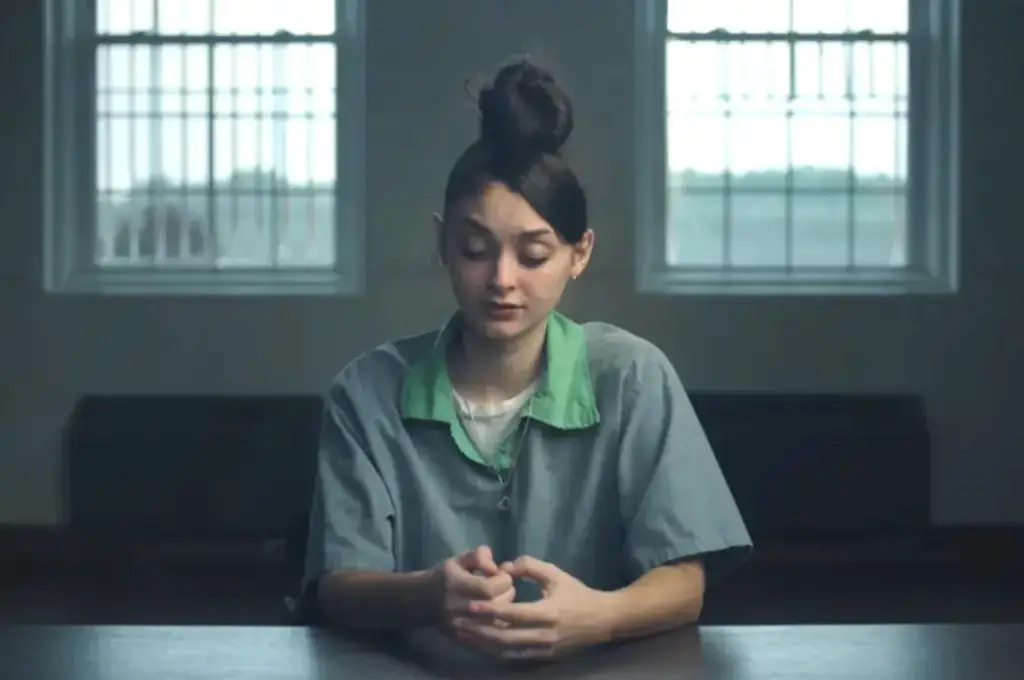
Shirilla is currently serving her sentence at the Ohio Reformatory for Women after both of her appeals were denied.