ADVERT
Film & TV4 min(s) read
Published 12:21 31 Jul 2026 GMT
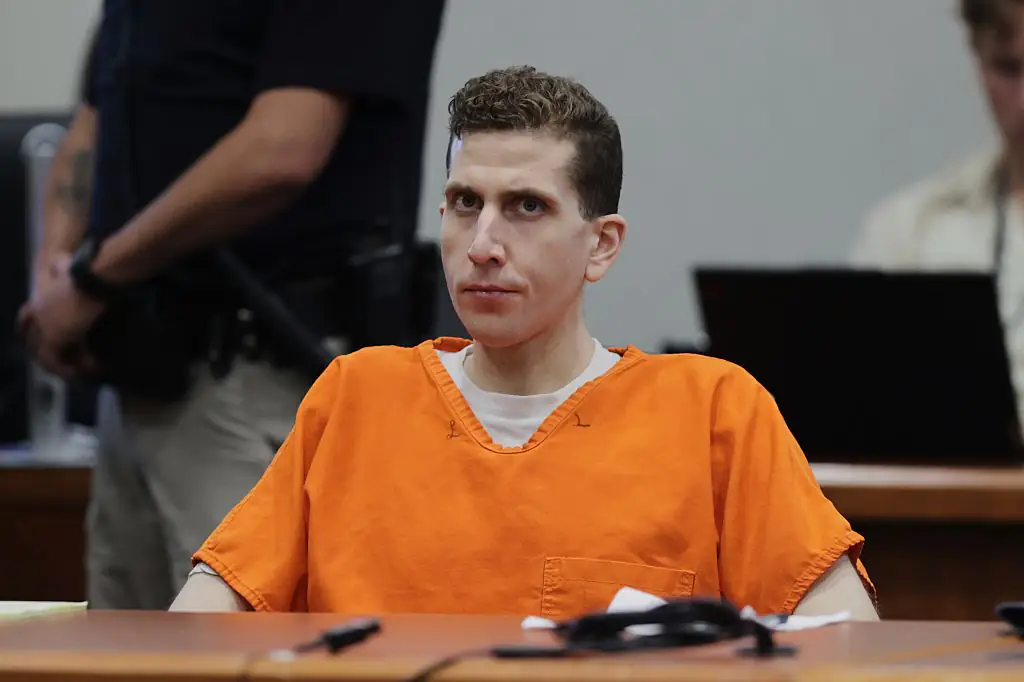
A newly released Netflix documentary titled The Idaho Murders: College Nightmare takes viewers through the complex investigation leading up to the capture of Bryan Kohberger. While the three-part true crime series builds tension around his early morning arrest, audiences have noticed a major piece of missing visual evidence. The production completely lacks any direct footage of the moment officers placed handcuffs on the convicted killer.
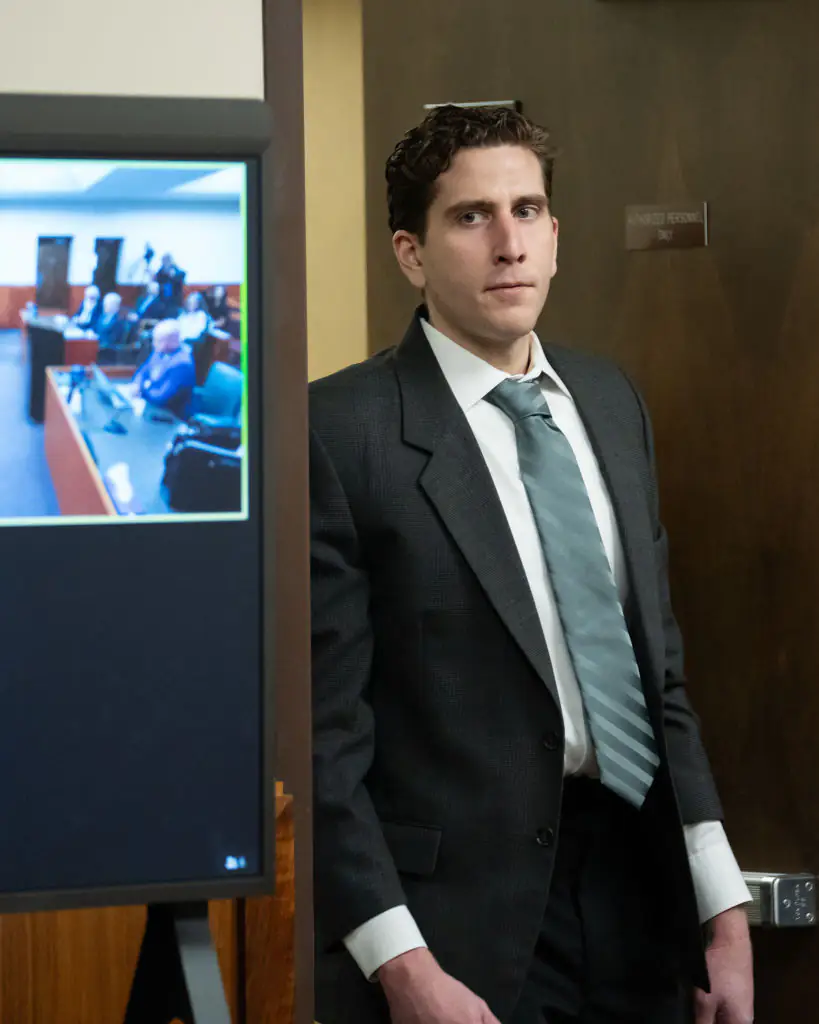
Kohberger was taken into custody on December 30, 2022, following a highly coordinated multi-agency investigation. The criminal justice doctoral student was captured at his parents' residence in Pennsylvania weeks after the stabbing deaths of University of Idaho students Kaylee Goncalves, Madison Mogen, Xana Kernodle, and Ethan Chapin. Although the documentary incorporates police bodycam videos from the initial response at the King Road home, it fails to show the final tactical raid that brought Kohberger into custody.
True crime viewers also miss out on seeing jailhouse interrogations or interviews with Kohberger's parents and sisters. The absence of these recordings stems from specific legal protections and operational policies. Official court records, reviewed by The U.S. Sun, confirm that the lack of arrest footage is tied to the technical capabilities and standard procedures of the law enforcement teams involved in the operation.
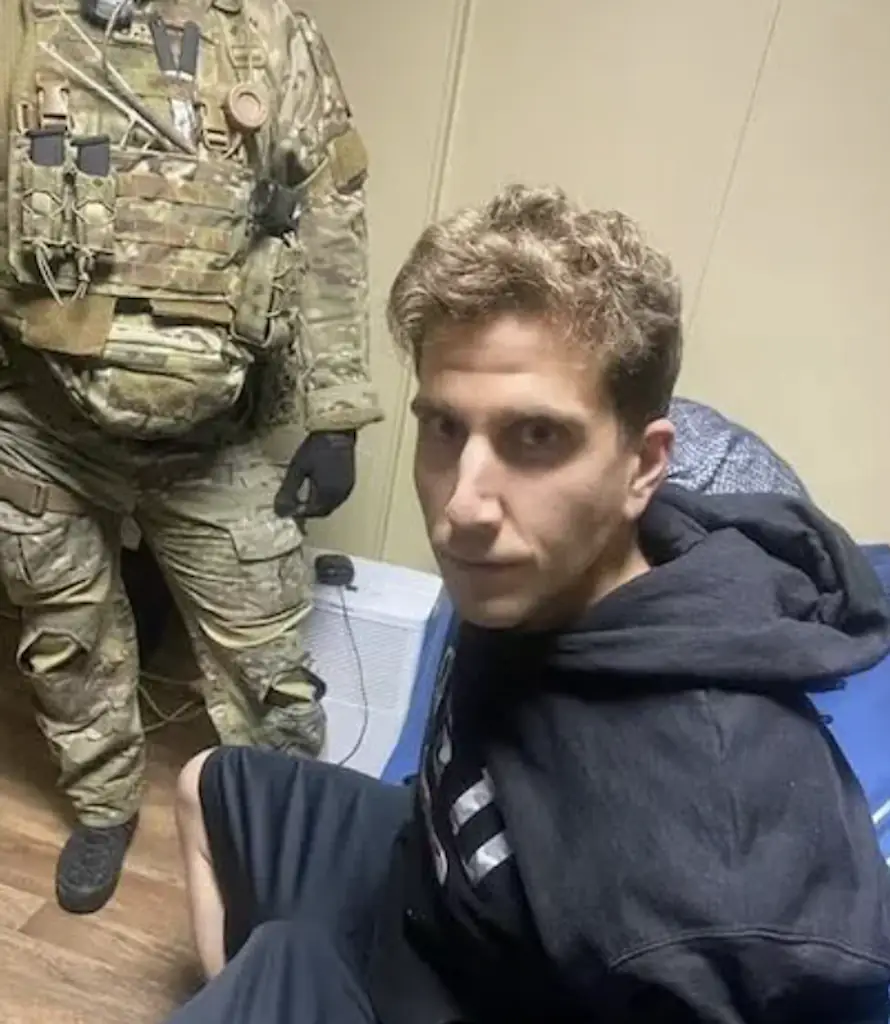
The tactical operation was executed around 1:30AM by the Pennsylvania State Police Special Emergency Response Team, with backup from the FBI, the Idaho State Police, and the Moscow Police Department.
According to legal filings submitted by the prosecution, the state never possessed video recordings of the actual arrest because authorities believed no such footage existed.
A court document explicitly notes, "The State has disclosed all items it is aware of relating to ‘the search and arrest of Bryan Kohberger in Pennsylvania.’"
The filing further states, "The State is unaware of any ‘body cam and dash cam footage’ beyond what has been disclosed and, on information and belief, understands there is no body cam footage."
At the time of the pre-dawn raid, the Pennsylvania State Police had not fully implemented its body-worn camera program, which only began its initial pilot phase in 2023 before completing a full rollout in 2025.
Federal agencies like the FBI did not regularly deploy patrol-style body cameras during that period. Law enforcement agencies also routinely restrict recording during SWAT and tactical maneuvers to protect operational security, specialized tactics, and the identities of undercover personnel.
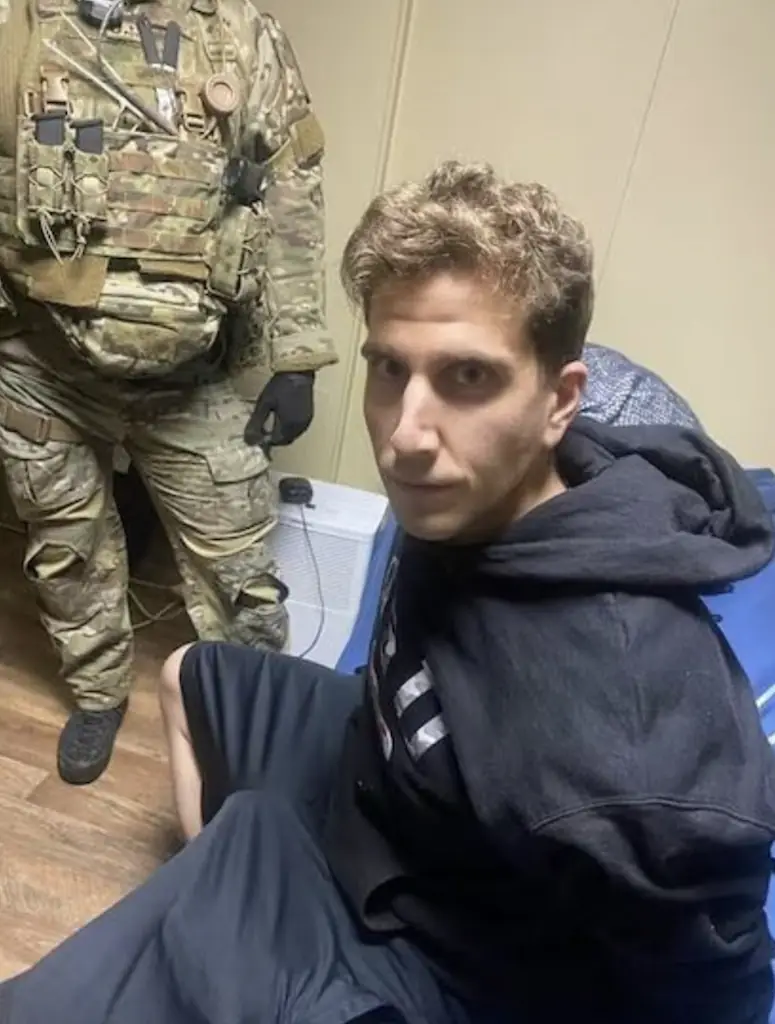
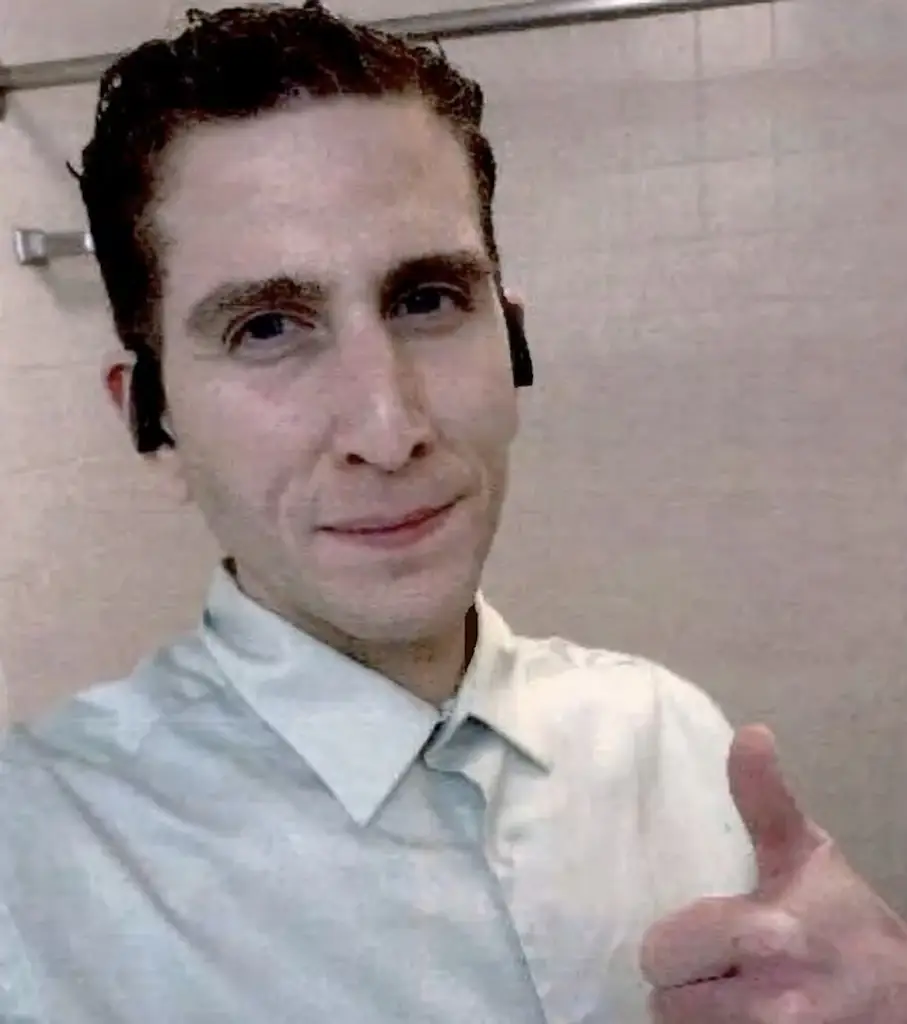
A booking photo was distributed shortly after the arrest, but a photograph showing Kohberger in handcuffs was withheld until August 2025.
Following his arrest, Kohberger was transported to the local police barracks in Stroudsburg, Pennsylvania. There, Moscow Police Corporal Brett Payne and Idaho State Police Detective Darren Gilbertson conducted an initial interview.
Investigators utilized a built-in video system to record the session, but the footage remains protected from public release under exemptions for active law enforcement materials. Because Kohberger later secured a plea agreement that averted a full trial, the recording was never presented in a courtroom setting.
Though the video remains sealed, official transcripts highlight the brief exchange. When detectives noted he was being held because of "what occurred in Moscow." Kohberger responded, "I watch the news," claiming the only information he had received was a standard university crime alert.
He repeatedly asked about the welfare of his parents and his dog, expressed his "utmost respect" for the officers, and quickly requested a lawyer to exercise his constitutional rights.
Instead of interrogation footage, the public has primarily seen traffic stop videos recorded both before and after the November 13, 2022, homicides, along with surveillance footage from a Costco and a DMV office.
Kohberger is currently serving life in prison, but he recently filed a legal petition to withdraw the guilty plea that eliminated the possibility of the death penalty. He asserts that he is innocent and claims his legal counsel pressured him into the deal.
To successfully reverse his conviction, Idaho law dictates that he must demonstrate a "manifest injustice" occurred during his sentencing process.
us4 min(s) read
us news3 min(s) read
Published 09:24 16 Aug 2025 GMT
us5 min(s) read
us4 min(s) read
us news3 min(s) read
Published 13:03 24 Jul 2025 GMT
Published 11:07 29 Jul 2026 GMT
Netflix has released a documentary on the gruesome Idaho student murders, and a survivor recalled what he heard killer Bryan Kohberger say during his attack.
The crime doc features never-before-seen evidence, which includes bodycam footage of one of the two survivors speaking to police about what happened.
It's titled The Idaho Murders: College Nightmare, and the title was officially released on the streaming platform today (July 29).
The doc follows Bryan Kohberger's murders of four University of Idaho students: Madison May Mogen, Kaylee Jade Goncalves, Xana Alexia Kernodle, and Ethan James Chapin in their home.
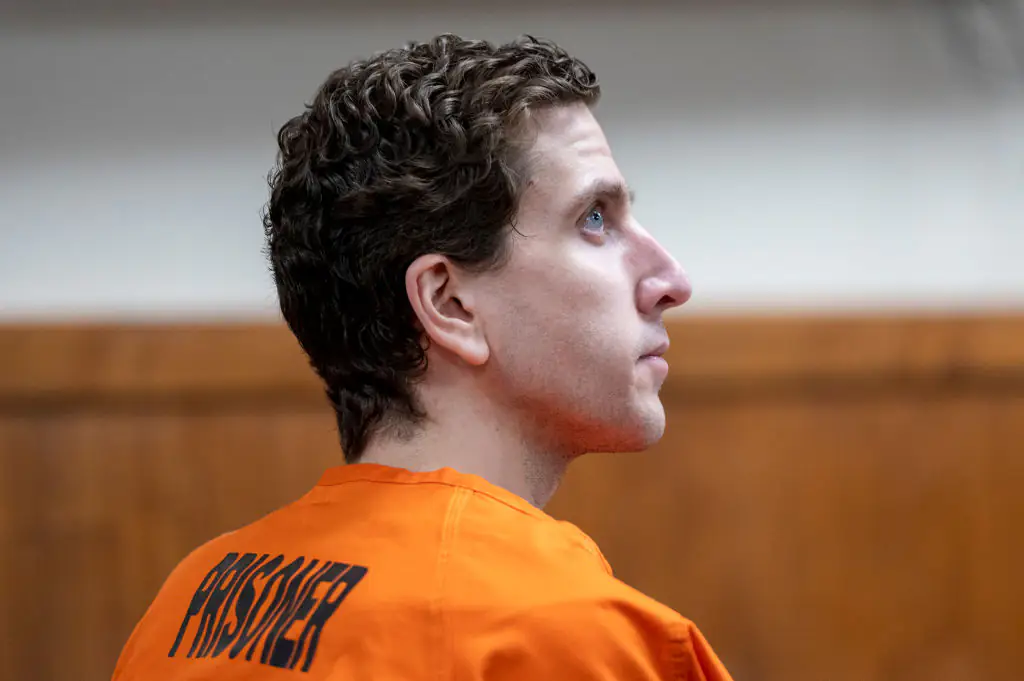
Kohberger, who is serving four life sentences for the crime, is now attempting to withdraw the guilty plea that spared him from standing trial, as well as the death penalty.
But now, two of the victims' housemates have spoken out about hearing Kohberger in their home and hearing him speak.
Dylan Mortensen and Bethany Funke survived the attack, where Kohberger stabbed four students to death.
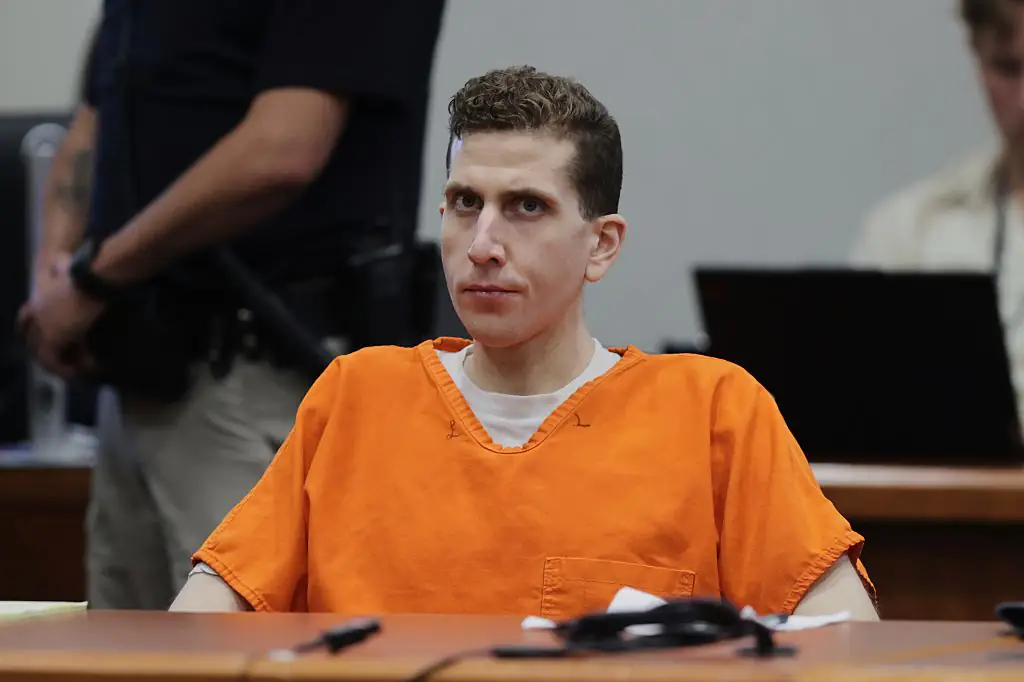
The 30-year-old admitted to the killings in July 2025 as part of a plea agreement that avoided the possibility of being put to death and provided favorable living conditions.
In the new documentary, there is police bodycam footage of Dylan speaking to a police officer, speaking about a man dressed in black in the home.
She explained: "I was in my room, and I was trying to go to bed and I heard Kaylee go upstairs. Like ‘Ok, I’m going to go to sleep now. She’s going upstairs.’
"And then all of a sudden I heard her scream. And she ran downstairs cause she saw someone."
Dylan further recounted: “I called her name, but I jumped up and locked my door because I was so scared. And then I heard her go in... I think it was the bathroom. And I remember her sobbing.
"I remember hearing this guy’s voice that I didn’t recognise saying, ‘You’re going be ok, I’m gonna help,’” the survivor recalled.
Dylan then opened the door to look for her housemates, as they didn't respond to calls, remembering seeing a "guy pass by" who looked at her, but didn't say anything.
She told police in an affidavit that he was in a mask and black clothing, while being in "frozen shock phase" when he walked past.
Kohberger has filed a petition for post-conviction relief in Idaho's Ada County District Court, arguing that his conviction should now be overturned.
Court records now show Kohberger is representing himself in the filing.
According to documents obtained by NBC News, Kohberger claims his defense team provided "ineffective" legal representation and alleges he was "convinced to falsely confess" to murders he insists he did not commit.
He further argued that he was led to believe whether he was actually guilty was irrelevant when deciding whether to accept the plea agreement.
In the filing, Kohberger claimed he was "advised to lie" and told he would secure a "legal victory" by entering what he described as a "false plea".
The claims mirror remarks Kohberger recently made during an interview with The New York Times, where he again maintained his innocence and argued he had been manipulated into pleading guilty.
"My actual innocence is my truth, and the plea, hinged on by false promises and blatant disinformation, MUST be withdrawn," he said in a statement provided to the newspaper.
Kohberger also dismissed prosecutors' version of events, describing it as a "myopic narrative" and a "work of fiction."
Leaked footage allegedly showing convicted University of Idaho killer Bryan Kohberger inside his maximum-security cell has sparked a prison investigation and renewed concerns about security breaches.
The short clips, which surfaced on social media Thursday, appear to show the 30-year-old (who was sentenced to life without parole) pacing alone in his cell with visibly red hands, then pausing to examine them before standing motionless for several seconds.
In the eerie 10-second video, Kohberger, dressed in prison garb, can be seen walking toward a wire rack, setting an item down, and then staring intently at his irritated hands. Viewers have speculated that his skin may be inflamed from obsessive handwashing, a habit he is rumored to engage in dozens of times each day.
A second leaked clip shows him in the center of the stark concrete room, moving slowly as he wipes down his shoes with meticulous care.
The origins of the footage remain unclear. Early indications suggest the material may have been recorded by someone filming official surveillance monitors with a cellphone inside the Idaho Maximum Security Institution in Kuna. Authorities stressed that this would represent a serious breach of protocol.
“We are aware of the videos circulating online and are investigating the matter,” the Idaho Department of Correction (IDOC) said in a statement Friday. “While we cannot yet confirm the veracity of the videos, if verified, they are a clear violation of IDOC policy and the parties responsible will be held accountable, up to and including termination. We caution that some videos may be fake or AI-enhanced.”
Prison officials said staff were recently reminded of their responsibilities and warned against improper handling of surveillance footage. “Videotaping and publicly sharing security footage is prohibited conduct and we will be reviewing all legal options, including criminal prosecution,” the IDOC statement continued. “The safety and security of our staff and incarcerated population remains our top priority.”
The unsettling footage comes just weeks after Kohberger unexpectedly avoided a death penalty trial by agreeing to a plea deal.
In July, he was sentenced to four consecutive life terms without parole after admitting to the brutal murders of University of Idaho students Xana Kernodle, Kaylee Goncalves, Madison Mogen, and Ethan Chapin. The four were fatally stabbed in their off-campus home in Moscow on November 13, 2022, in a crime that shocked the nation and devastated the close-knit college community.
The plea agreement, reached only a short time before jury selection was due to begin, angered some of the victims’ families, who were left without answers as to why Kohberger carried out the killings.
His abrupt acceptance of guilt eliminated the possibility of the case being argued in court, cutting off the opportunity for more details about the murders to emerge through trial testimony.
The circulation of the new videos has only deepened public fascination (and unease) surrounding Kohberger, a former criminology graduate student whose crimes and behavior continue to unsettle those following the case.
For authorities, however, the focus now is on finding out how such sensitive footage made its way out of one of the most secure prisons in the state.
Published 12:30 23 Jan 2026 GMT
Photos have surfaced showing the harrowing evidence left behind by Bryan Kohberger after he brutally murdered four University of Idaho students.
On November 13, 2022, Ethan Chapin, Xana Kernodle, Madison Mogen, and Kaylee Goncalves were brutally murdered in their off-campus home in Moscow, Idaho.
At around 4AM, Kohberger, a criminology Ph.D. student at nearby Washington State University, is believed to have entered the home through a sliding door, making his way up to the second floor, where he killed Mogen and Goncalves, both 21, in their shared bedroom.
Afterward, he encountered Kernodle, 20, who had returned to her room after a food delivery, and killed her. He then made his way to her bedroom, where he found 20-year-old Chapin sleeping and murdered him.
Kohberger left behind a bloody crime scene and several pieces of evidence that would eventually lead authorities to him.
In a recent release of previously withheld evidence, photos have emerged showing some of the most damning items left behind by the killer at the crime scene.
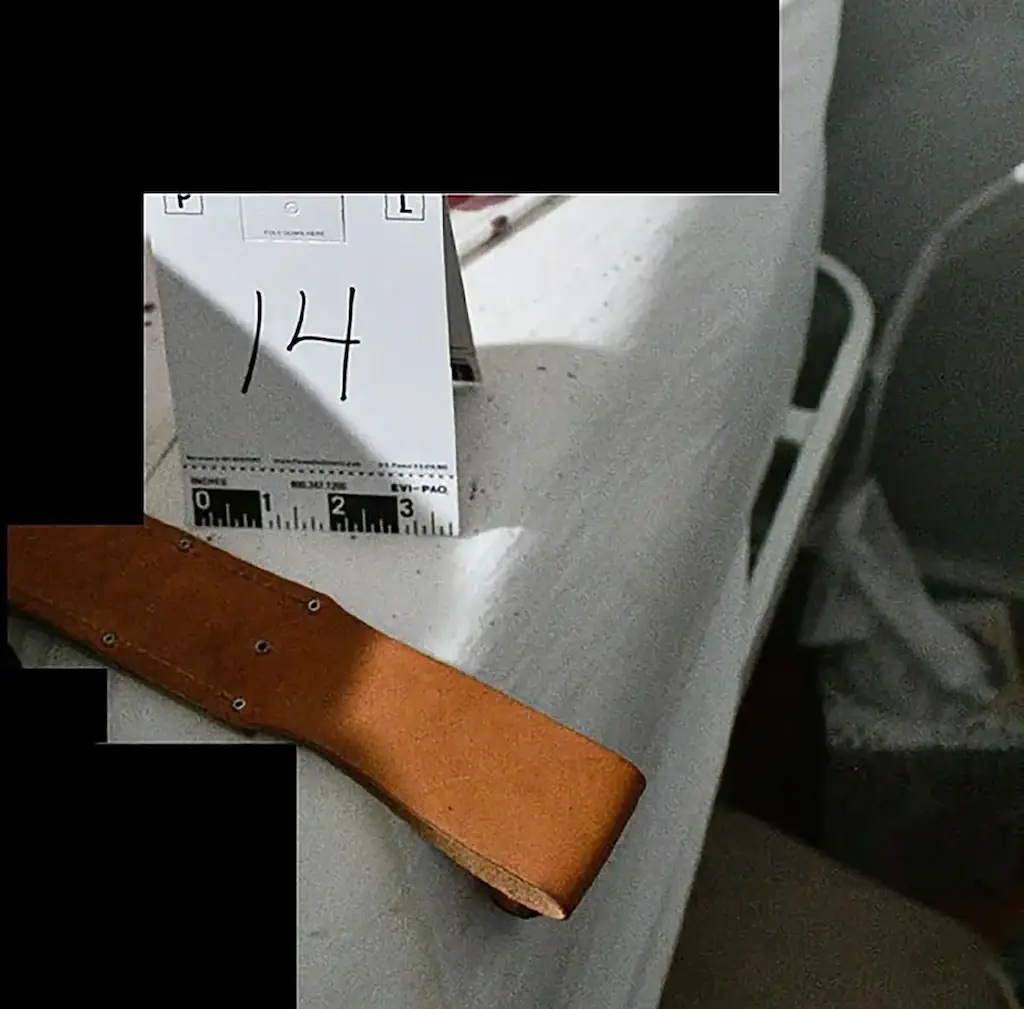
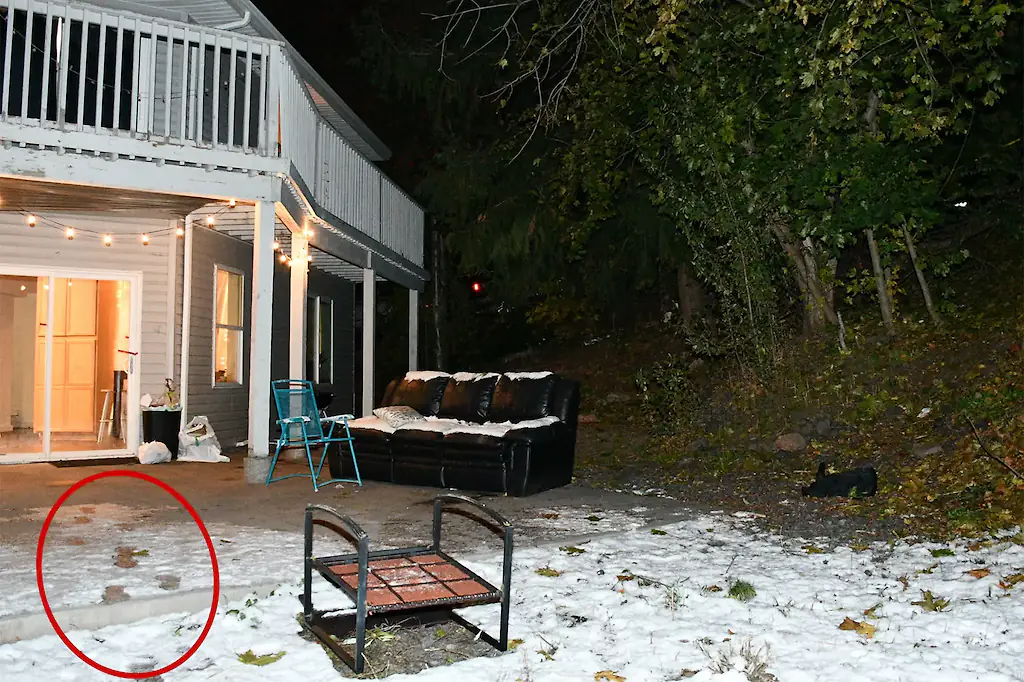
Among the most critical pieces of evidence was a size 13 shoeprint leading from the back door of the house into the snow, as well as a knife sheath found in Mogen’s room, covered in blood-soaked sheets.
The sheath, which was for a KA-BAR-style combat knife, matched the weapon used in the brutal stabbings.
The weapon, found on Mogen’s bed, was a crucial piece of evidence that connected Kohberger to the murders, as his DNA traces were on it.
While authorities initially thought the sheath was left behind to mislead the investigation, further analysis indicated it was likely dropped in a panic during the attack.
In addition to this, investigators also discovered Kohberger had purchased a set of knives months earlier, linking the weapon used in the killings to him.
The graphic images from the crime scene provided the closest look yet at the gruesome aftermath of the murders.
However, following public requests and privacy concerns, the Idaho State Police temporarily removed the photos from their website for further review.
“Following adjudication of the criminal case, the Idaho State Police received a large volume of public records requests seeking the photographs,” a spokesperson for the department said in a statement.
“In making the redactions, the Idaho State Police also chose to follow Judge Marshall’s permanent injunction, which required the City of Moscow to redact areas of the photographs depicting ‘any portion of the bodies of the decedents or the blood immediately surrounding them.’”
”After questions were raised, the records were temporarily removed for further review to ensure the appropriate balance between privacy concerns and public transparency was struck," they added, per The New York Post.
Kohberger was arrested in December 2022 at his family home in Pennsylvania. After being charged with the murders of the four students, he pleaded guilty to all counts in a controversial plea deal that spared him the death penalty.
In July 2023, he was sentenced to four consecutive life sentences without the possibility of parole.
In the aftermath of his arrest, Kohberger's sister, Mel Kohberger, spoke out about her brother's troubled past and shared the pain and confusion she felt after learning of his involvement in the killings.
She revealed that her brother spent Christmas with the family just days before his arrest, participating in holiday activities and enjoying time with loved ones.
She also shared that she never suspected he was capable of such violence, explaining: “I have always been a person who has spoken up for what was right, if I ever had a reason to believe my brother did anything, I would have turned him in," per the New York Times.
Mel also told the outlet that Kohberger had struggled with addiction in the past, battling heroin use after being severely bullied in high school.
He ended up undergoing treatment and then pursued a career in criminology, eventually earning a Ph.D. from Washington State University.
His family had hoped for a successful future for him, but those hopes were shattered when his crimes were revealed.
Kohberger was seen drawing a black heart during his sentencing hearing, a symbol that sparked online speculation about his dark nature.
Mel later explained that she had drawn the heart herself as a gesture of support for her brother.
Despite the public's scrutiny and the widespread online investigation into the case, she has insisted that she had no idea what her brother had done until the FBI arrested him.
“It’s confusing it’s painful. It’s like being victimized but not really being a victim,” she said.
Published 15:11 08 Aug 2025 GMT
Newly released images from inside the home where Bryan Kohberger murdered four University of Idaho students have offered a chilling look into the aftermath of the brutal killings.
Kohberger, now 30, was sentenced to four consecutive life terms without the possibility of parole for the murders of Kaylee Goncalves, Madison Mogen, Xana Kernodle, and Ethan Chapin.
The photos, captured by Moscow police, show unsettling scenes from inside the Moscow home where the crime occurred.
Taken after the murders in November 2022, the images include haunting shots of the victims' rooms and the aftermath of Kohberger’s attack.
One heavily redacted image shows a pink blanket, which was later confirmed to have covered the bodies of Mogen and Goncalves, per the Sun.
Investigators noted that Goncalves was “unrecognizable” after Kohberger’s attack, which saw some victims stabbed more than 30 times.
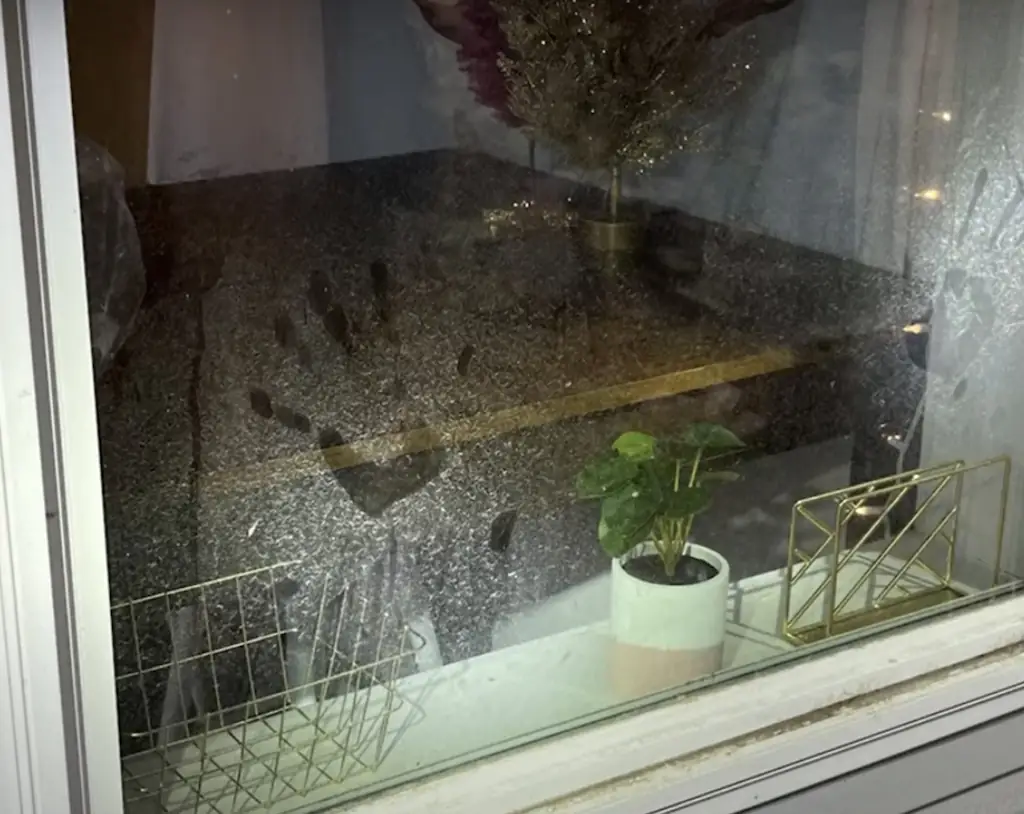
Other images reveal scattered personal items, such as shoes and accessories, and another detail being disturbing handprints on the home’s windows, alongside blood spatter on white wooden doors.
According to police reports, Kohberger’s attack occurred after he spent over 30 minutes driving past the home, stalking the area between 3:30AM and 3:58AM.
Investigators believe the killings took place over a span of just 13 minutes. Kohberger was later seen leaving the scene in his white Hyundai at 4:20AM, driving at a "high rate of speed."
Just before his departure, security footage captured a whimpering sound, followed by a thud and the repeated barking of a dog for over 15 minutes.
These pictures surfaced just weeks after Kohberger was sentenced to life in prison without parole.
The release of the photos came after Steve Goncalves, Kaylee’s father, voiced his concerns that the images might eventually be leaked.
“We’ve been worried that we would see those leaked at any time,” he shared with NewsNation. The families of the victims had feared the photos would surface in the media, adding to their trauma.
Further unsettling details have emerged about Kohberger's past. The former criminology student, who once applied for a position with a local police force, was previously investigated in a 2021 break-in 10 miles from where the murders took place.
A woman at the scene of the break-in had reported seeing a knife-wielding intruder, though Kohberger was later cleared of any involvement.
Additionally, a trove of files released earlier this week revealed that Kohberger had kept ID cards belonging to two women from his past.
These items were discovered at his parents' home when he was arrested in December 2022. Although the women said they were never threatened, the discovery added another chilling layer to Kohberger's background.
Kohberger’s behavior during his time in jail has also raised eyebrows. A recently released report from the Moscow Police Department describes his interactions with other inmates. Kohberger, who kept mostly to himself, was described as “highly intelligent and polite” by his cellmate.
However, his routine habits — spending long hours in the shower and washing his hands multiple times a day — made him a difficult cellmate. The inmate also noted that Kohberger was often awake at night, pacing and disturbing his cellmate’s sleep.
The only time Kohberger seemed visibly upset was during a phone call with his mother. An inmate watching a nearby sports game shouted at the TV, prompting Kohberger to confront him aggressively, believing the comment was directed at him and his mother.
However, the situation quickly diffused once the misunderstanding was clarified.
While Kohberger did not express any aggression toward his fellow inmates, his meticulous routines and withdrawn nature made him an unsettling presence.
Kohberger, who remains housed at the Idaho Maximum Security Institution in Boise, is now awaiting final placement within the state’s prison system.
The emotional toll of the murders has also been felt by the victims' families. Kaylee’s sister, Alivea, delivered a scathing statement at Kohberger's sentencing, calling him a “hypochondriac loser” and emphasizing how he was no longer a threat to anyone in the courthouse.
Mogen’s family spoke of the "effects of traumatic grief" that they continue to live with daily.
The location of the murder weapon used by Bryan Kohberger in the brutal murders of four University of Idaho students became a central focus of the killer's recent trial.
Kohberger, who confessed to the killings, was this week sentenced to life without parole. For the families of the victims, the punishment alone does not bring closure, especially without answers to the lingering questions that still surround the case.
Steve Goncalves, the father of 21-year-old victim Kaylee Goncalves, voiced his frustration on CBS News ahead of the sentencing. "By hiding the truth, we're protecting our killers," he said. Goncalves plans to deliver a victim impact statement in court and believes the details of what happened to his daughter should be made public.
“I need to know the facts. How many times was my daughter stabbed? Was she choked? What happened? That should be part of the victim's statement,” he said.
At the center of this unresolved trauma is the mystery of what Kohberger did in the hours following the murders and, most crucially, what became of the murder weapon, a Ka-Bar knife investigators believe he purchased online. Despite an extensive investigation, the knife has never been recovered.
Drawing from police affidavits and cell phone data, the Daily Mail reconstructed Kohberger’s movements after the murders, from his departure from the off-campus house in Moscow, Idaho, to his reappearance nearly 10 hours later at a grocery store in Clarkston, Washington.
The murders occurred between 4:00 and 4:25AM on November 13, 2022. Surveillance footage captured Kohberger’s white Hyundai Elantra circling the neighborhood just before the attack and speeding away afterward. His phone was turned off during the killings, but reconnected to a cell tower at 4:48AM as he drove south, then west toward his apartment in Pullman, Washington.
Strikingly, he returned to the vicinity of the crime scene later that morning between 9:12 and 9:21AM, possibly searching for the Ka-Bar sheath he had unknowingly left behind, an item later found under Madison Mogen’s body with a trace of his DNA.
By mid-morning, Kohberger was back on the road, this time heading south on Highway 195 through rural Washington, eventually crossing into Idaho. At 12:26PM, his phone pinged near Memorial Bridge over the Clearwater River, before crossing back into Washington ten minutes later.
These crossings of the deep and fast-moving rivers have led some to suspect that Kohberger may have disposed of the knife there.
Around 12:36PM, Kohberger was spotted near Kate’s Cup of Joe in Clarkston, Washington. A staff member recalled seeing a vehicle matching his parked behind the coffee shop, near Granite Lake Park and the edge of the Clearwater River. “He was there for a while before he drove off,” she said.
Ten minutes later, at 12:46PM, Kohberger was seen on surveillance video at an Albertson’s grocery store nearby, his next known stop.
Whether that missing 10 minutes holds the key to the knife’s whereabouts remains unknown.