


Film & TV3 min(s) read
Film containing unsimulated sex was deemed too extreme to be nominated for an Oscar
.jpg_I4Ebof?tr=cr-0.338.2730.3068,f-webp,q-70,w-100)
When Nagisa Oshima’s In the Realm of the Senses premiered in 1976, it instantly became one of the most controversial films ever made.
Combining arthouse filmmaking with scenes of unsimulated sex, the film pushed boundaries so far that it effectively removed itself from the possibility of mainstream awards recognition—including the Academy Awards.
In the Realm of the Senses was too shocking for the Oscars
Nearly fifty years later, the film remains a striking example of how censorship, distribution rules, and cultural attitudes can determine whether a movie is even considered for Hollywood’s biggest prizes.
In the Realm of the Senses is loosely based on a notorious 1930s incident in Japan involving Sada Abe, whose obsessive relationship with her lover ended in a shocking act of violence.
Oshima approached the story not as exploitation but as an exploration of desire, power, and emotional obsession.
However, the film’s most distinctive - and controversial - element was its explicit realism.
Unlike most erotic cinema of the time, the sexual acts depicted in the film were not simulated.
Oshima deliberately rejected cinematic illusion in favor of what he considered emotional and physical authenticity.
For many viewers and regulators in the 1970s, that decision crossed a line.
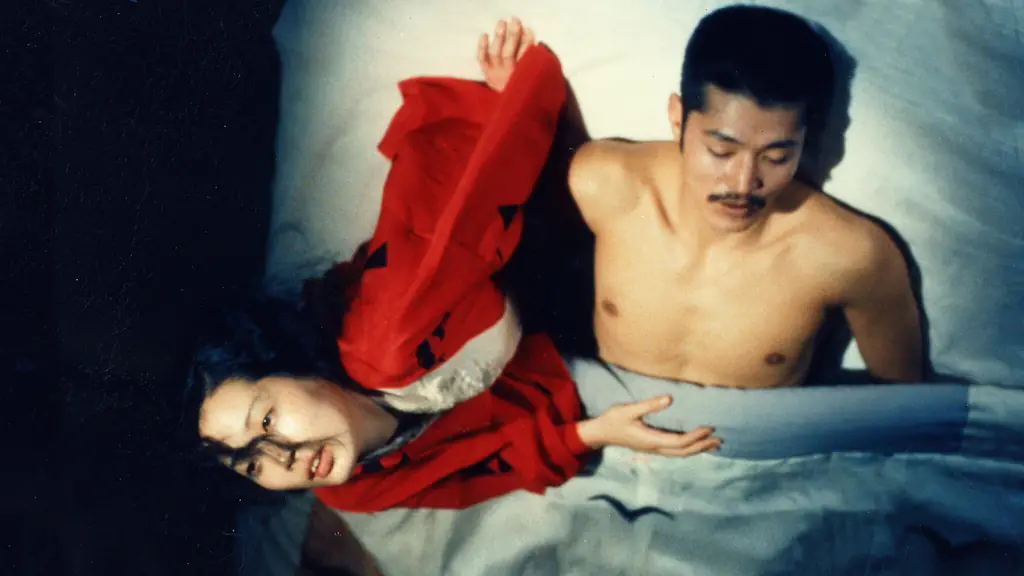
The film faced censorship and legal challenges
Although the film was an international co-production between Japan and France, its explicit content caused immediate problems.
Japan’s strict obscenity laws meant the footage itself had to be processed in France.
Even then, Japanese screenings required censorship measures.
In the United States, prints of the film were temporarily seized by customs authorities on obscenity grounds when they arrived for festival screenings.
While the film was eventually shown at art-house venues and film festivals, the controversy limited its mainstream distribution.
Why the film never made it to the Oscars
For a film to compete for the Academy Awards in the 1970s, it needed a qualifying theatrical run in Los Angeles and, for the Best Foreign Language Film category, an official submission from its home country.
In the Realm of the Senses never cleared those hurdles.
Japan did not submit the film to the Academy, almost certainly due to its notoriety.
At the same time, the film’s explicit sexual content made a conventional theatrical rollout in the United States difficult.
Exhibitors were cautious, and many theaters simply refused to screen it.
Without a proper qualifying release or national submission, the film never entered Oscar contention.
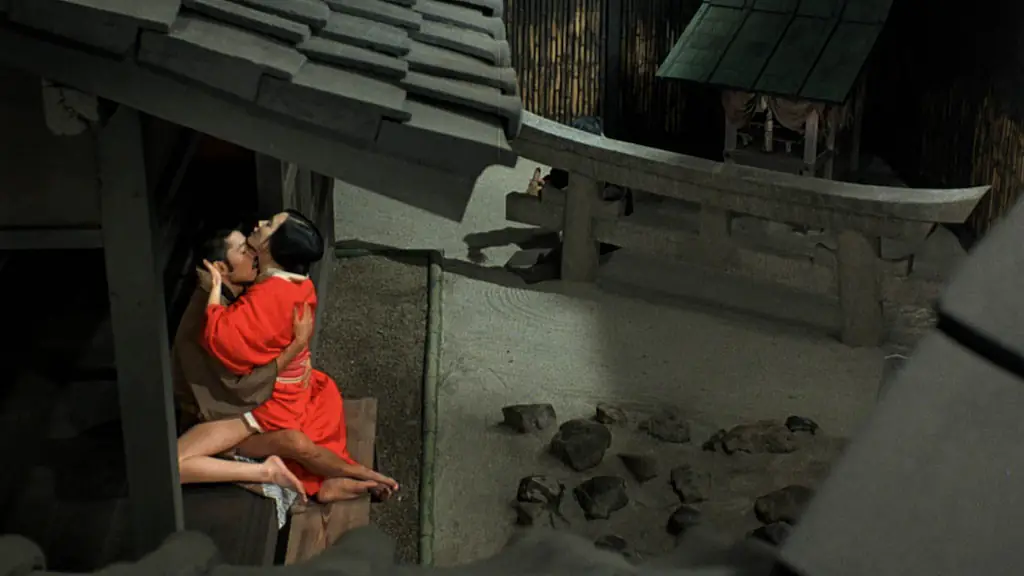
So, is it an art film, or pornography?
The debate surrounding the film has never fully disappeared.
Some critics consider it a landmark of transgressive cinema and a serious artistic work about desire and control.
Others argue that its explicit realism places it closer to pornography than narrative filmmaking.
Oshima himself rejected that distinction, insisting the film was a critique of repression and social hypocrisy.
Regardless of where viewers fall in that debate, the controversy ensured the film existed largely outside the structures of mainstream recognition.
Despite being effectively excluded from Oscar consideration, In the Realm of the Senses became one of the most discussed films of the 1970s.
It continues to appear in retrospectives of provocative and boundary-pushing cinema.
Today, it stands as a reminder that the limits of what cinema can depict, and what institutions are willing to recognize, are constantly shifting.
In 1976, those limits meant that one of the most extreme art films ever made never even had a chance at Hollywood’s biggest award.