


Film & TV4 min(s) read
Tragic story of iconic horror movie that saw multiple actors die shortly after its release

The tragic story of an iconic horror movie saw multiple actors die shortly after its release.
Poltergeist, which was released in 1982, was directed by Tobe Hooper and produced by Steven Spielberg.
It became an instant success and remains highly regarded today, with an 88 percent score on Rotten Tomatoes' Tomatometer.
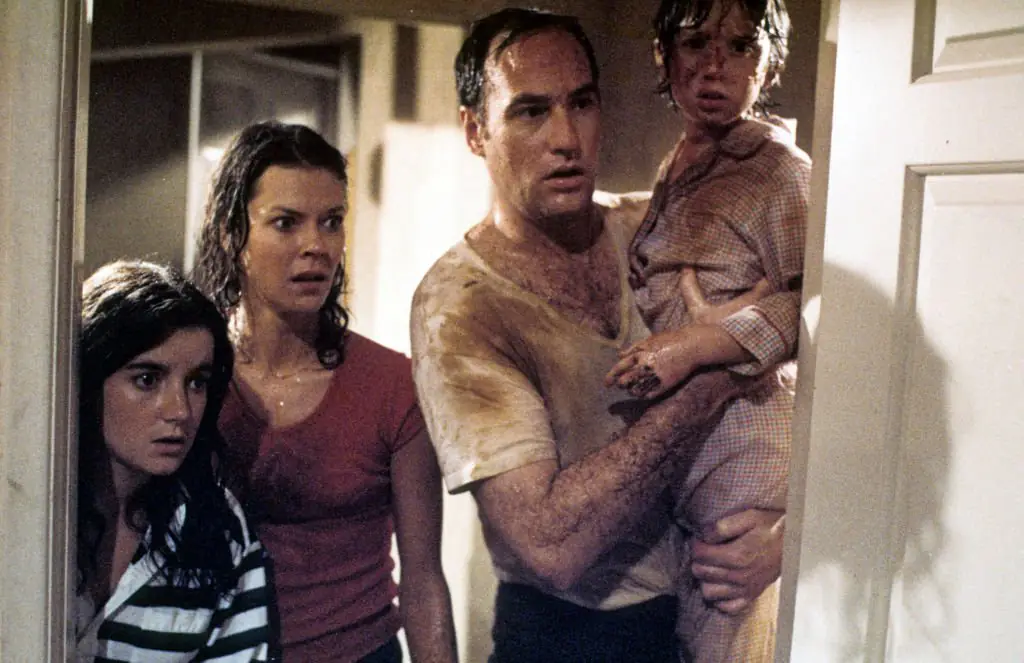
The film follows the Freeling family, whose seemingly ordinary California home becomes the center of unnerving paranormal activity.
Their young daughter, Carol Anne, begins communicating with spirits through the family's TV before she is eventually abducted through her bedroom closet by ghosts controlled by a demon known as the "Beast".
The movie is also said to be inspired by the Hermann family of Long Island, New York, who claimed their home was haunted by a poltergeist during the 1950s.
Though the supernatural events on screen were fictional, a series of real tragedies involving franchise actors later became part of its unsettling legacy.
Dominique Dunne was murdered months after the first movie's release
One of the most shocking deaths was Dominique Dunne, who played the Freeling family's eldest daughter, Dana, in the original film.
In 1982, the 22-year-old actress separated from her partner, John Sweeney.
That November, Sweeney went to Dunne's home and pleaded with her to take him back. When she refused, he strangled her and left her unconscious in the driveway of her Hollywood home.
Dunne subsequently died from her injuries.
Sweeney was sentenced to six and a half years in prison and was released after serving three years and seven months.
Heather O'Rourke died aged just 12
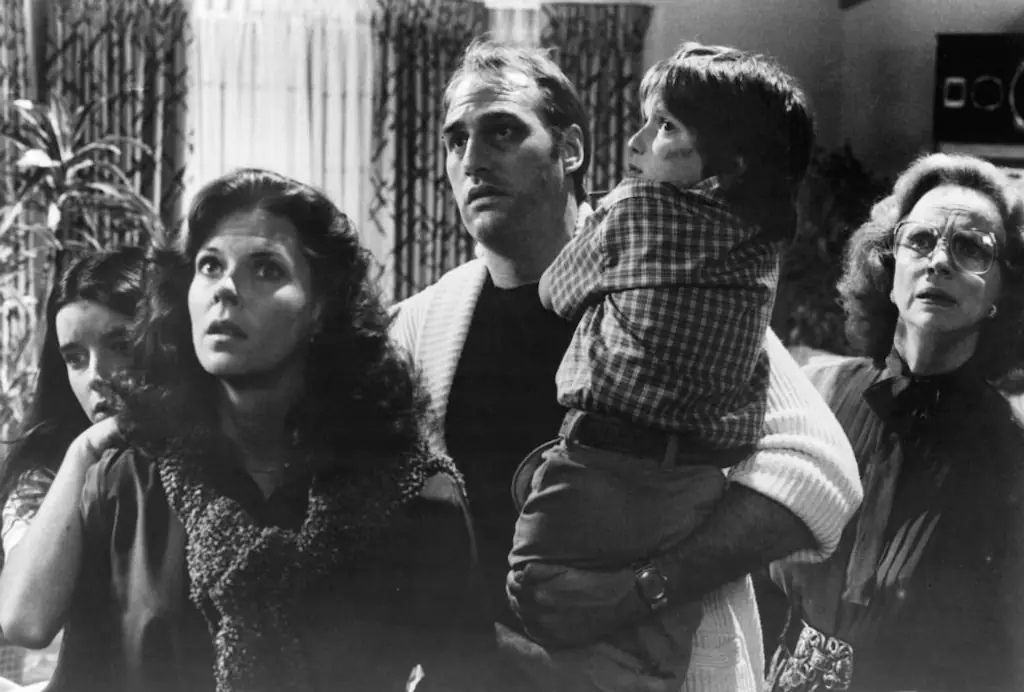
Another tragedy struck the franchise several years later when Heather O'Rourke, who played Carol Anne Freeling in all three movies, died at just 12 years old.
O'Rourke had been only six when she appeared in the original Poltergeist.
In 1987, she was diagnosed with Crohn's Disease. The following year, she became ill again, but her symptoms were attributed to the flu.
A day later, O'Rourke collapsed and suffered a cardiac arrest. She was airlifted to a children's hospital in San Diego, where she died during an operation to correct a bowel obstruction.
It was later believed that she had been misdiagnosed with Crohn's Disease and had instead been suffering from a congenital intestinal abnormality.
Poltergeist III was released four months after her death.
Two Poltergeist II actors also died
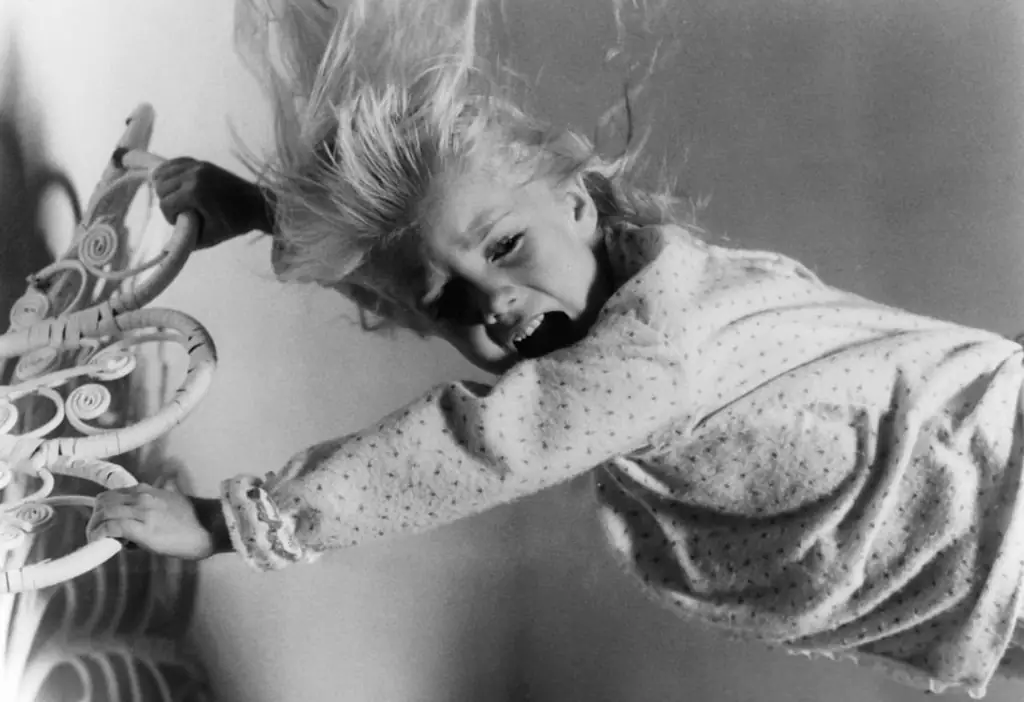
The original was followed by Poltergeist II: The Other Side in 1986 and Poltergeist III in 1988.
In 1983, Julian Beck, who played the sinister preacher Kane in Poltergeist II: The Other Side, was diagnosed with stomach cancer.
He died from the disease in 1985, shortly after completing his work on the second movie.
Will Sampson, who portrayed Native American shaman Taylor in the same sequel, died in 1987 after undergoing heart-lung surgery.
Sampson had been suffering from scleroderma.
Strange stories added to the alleged 'curse'
The deaths weren't the only events that helped create the franchise’s eerie mythology.
JoBeth Williams, who played Diane Freeling in the first two movies, claimed that Spielberg insisted on using real human skeletons as props because they were cheaper at the time than plastic versions.
However, the claim has never been verified and remains part of the lore surrounding the supposed curse.
Sampson, who was also a real-life medicine man, is also said to have performed an authentic exorcism after filming wrapped one night, per Biography.