


Health5 min(s) read
Warning sign revealed as experts discover common habit responsible for rise in pancreatic cancer

A common dietary habit could be playing a role in the rising number of pancreatic cancer cases, according to researchers investigating the possible connection between high-sugar diets, insulin and the disease.
Claims about sugar and pancreatic cancer have recently spread widely across social media, with some posts attracting millions of views.
Researchers link pancreatic cancer rise to one particular factor
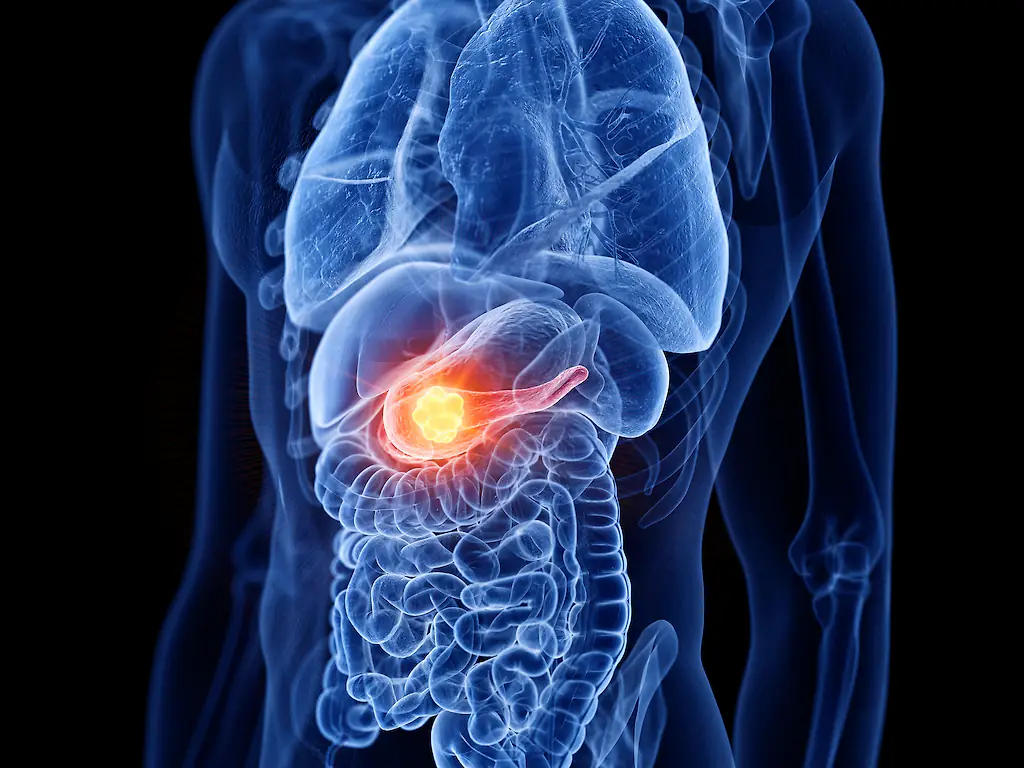
The theory has gained particular attention amid reports suggesting pancreatic cancer is increasing among younger people.
The disease is notoriously difficult to detect early and remains one of the more challenging cancers to treat successfully.
But while some of the social media claims have been presented in dramatic terms, researchers say there is genuine scientific evidence worth examining.
Scientists are investigating whether repeatedly consuming large amounts of sugar could contribute to biological changes that potentially increase the risk of pancreatic cancer.
The possible connection centers not simply on sugar itself, but on the body's response to it.
According to scientists, consistently consuming large quantities of sugary foods can require the body to produce greater amounts of insulin, which, over time, may contribute to persistently elevated insulin levels, a condition known as hyperinsulinemia.
As such, researchers believe that excess insulin could potentially have an effect on the pancreas, with experts from the University of British Columbia discovering that excessive insulin stimulated pancreatic acinar cells in mice, which produce digestive enzymes.
The increased stimulation caused the cells to produce unusually high levels of these enzymes. Some could become activated prematurely, potentially damaging pancreatic tissue and triggering inflammation.
The pancreas can normally repair this type of damage. However, researchers found that mice carrying a mutation in the KRAS gene were more vulnerable to precancerous changes in this inflammatory environment.
KRAS mutations are found in the vast majority of human pancreatic cancers.
Researchers are now examining whether elevated insulin could have a role beyond the initial stages of the disease, including potentially supporting tumour growth.
The work could eventually help scientists understand whether changes in blood sugar and insulin levels might provide clues that pancreatic cancer is developing at an earlier stage.
Experts issue warning about diet and sugar consumption
Researchers are also investigating whether diets containing large amounts of ultra-processed food could contribute to the problem by repeatedly causing spikes in blood sugar and insulin.
Dr Janel Kopp, of the University of British Columbia, said: “There are many factors behind the rise in pancreatic cancer cases, and diet is likely to be one of them. What a person eats can increase their risk of developing the disease.”
However, researchers have stressed that these findings show associations and do not prove that eating particular foods directly causes cancer.
Surgical oncologist Dr Shanel Bhagwandin said metabolic health could nevertheless be an important part of the picture.
“A chronically unhealthy diet can lead to obesity, insulin resistance and diabetes – all of which are increasingly linked to pancreatic cancer,” she told the Daily Mail.
“Over time, these conditions can cause widespread inflammation and changes in the body that may help cancer develop.”
Excess body fat, particularly around the abdomen, can also contribute to hormonal changes and insulin resistance.
“While some cases are caused by inherited genes, we are increasingly seeing the effects of diet, obesity and diabetes at younger ages,” Dr Bhagwandin added.
“That may be one reason more younger people are being diagnosed with aggressive pancreatic cancers, whether or not they already have diabetes.”
Statistics suggest pancreatic cancer diagnoses among younger Americans have been increasing. A 2025 analysis found that cases among people aged 15 to 34 rose by 4.3 per cent each year between 2000 and 2021, while rates among those aged 35 to 54 increased by 1.5 per cent annually.
Pancreatic cancer remains relatively uncommon among younger adults, but the trend has raised concern among researchers.
Importantly, however, metabolic health does not explain every case. Pancreatic cancer can also develop in people who appear otherwise healthy and have none of the major recognized risk factors.
Experts say there is no guaranteed way to prevent pancreatic cancer, but maintaining a healthy weight, keeping blood sugar under control and avoiding type 2 diabetes where possible may help reduce risk.
Some research has also suggested that a Mediterranean-style diet could have protective benefits.
Dr Adam Gluskin, a gastroenterologist in Illinois, said: “A Mediterranean diet is definitely the way to go.”
He added: “Maintaining a healthy weight and keeping blood sugar under control can likely reduce someone's risk of developing pancreatic cancer.”
Obesity is associated with an increased risk of both pancreatic cancer and type 2 diabetes. People with a BMI of 30 or above are estimated to have around a 20 per cent higher risk of pancreatic cancer.
“It is uncommon – less than one per cent of cases – but you do not want to miss it,” Dr Gluskin said.
A sudden change in blood sugar control or unexplained weight loss can sometimes warrant further investigation.
“If someone suddenly develops diabetes and is losing weight, or their previously well-controlled blood sugar suddenly becomes difficult to manage, those are red flags that should be investigated,” he added.
People with a strong family history of pancreatic cancer or known genetic risk factors may be offered regular monitoring, which can include MRI scans or endoscopic ultrasound examinations.
For the general population, however, there is currently no reliable routine screening test for pancreatic cancer.
Possible warning signs include unexplained weight loss, persistent abdominal or back pain, jaundice, diarrhoea and noticeable changes in bowel movements.
Dr Bhagwandin said: “The key is recognizing when something does not make sense and investigating early, while there is still a chance to catch the cancer at a curable stage.”