


Health3 min(s) read
AI gives simple response to question on whether hantavirus will become COVID-like global pandemic as 3 people dead

AI has issued a simple response after being asked whether hantavirus could become a COVID-like global pandemic.
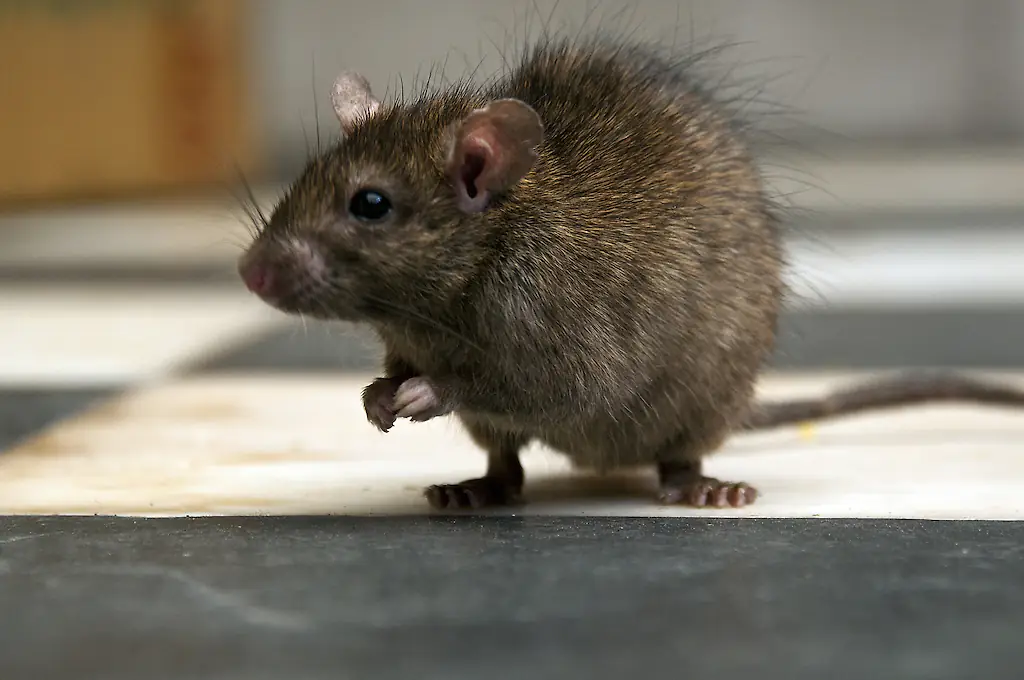
Hantavirus is a rare virus usually spread through contact with infected rodents, particularly through exposure to their urine, saliva, or droppings.
The virus can cause severe illnesses including Hantavirus Pulmonary Syndrome (HPS) and Hemorrhagic Fever with Renal Syndrome (HFRS), both of which can become fatal without treatment.
.jpg_wlrXB4?tr=cr-0.0.737.474,f-webp,q-70,w-1024)
Following a deadly outbreak linked to a luxury cruise ship, many people are asking whether hantavirus could become the next global pandemic.
According to AI, the answer is currently no, as unlike COVID-19, it doesn't spread easily from person to person. Most infections happen after people come into contact with infected rodents or breathe in particles from their feces, urine, or saliva.
Another key difference is how the viruses spread. COVID-19 spread quickly because many infected people experienced mild symptoms, or none at all, allowing them to unknowingly pass the virus to others.
Health authorities are already well prepared for hantavirus, with monitoring systems and prevention advice, including guidance on avoiding rodent exposure, already in place.
Three Dead As Outbreak Spreads Aboard Cruise Ship
The outbreak aboard the Dutch cruise ship MV Hondius has left three people dead and at least seven others infected.
The first confirmed case involving someone no longer aboard the ship has now been reported in Switzerland.
According to the Swiss health ministry, a former passenger who traveled on the vessel in April is currently receiving treatment at University Hospital Zurich after testing positive for hantavirus.
A ministry statement confirmed: "One person with a hantavirus infection is currently being treated at the University Hospital Zurich."
It added that the man had "returned to Switzerland after travelling on the cruise ship on which there were a number of hantavirus cases".
Three additional passengers believed to have contracted the virus were medically evacuated from the vessel to the Netherlands on May 6.
Two of the three people who died were identified as an elderly Dutch couple. A 70-year-old Dutch man was declared dead on arrival in Saint Helena while the ship was stopping there, while his 69-year-old wife later collapsed at Johannesburg's international airport in South Africa while trying to return home.
The third victim has not yet been publicly identified.
A 69-year-old British passenger also tested positive for the virus and was transferred to intensive care in South Africa.
WHO Says Risk Remains Low
The MV Hondius was expected to dock in Cape Verde on May 5, but authorities refused to allow 150 passengers to disembark because of safety concerns, The New York Times reported.
Spanish officials also reportedly opposed allowing the ship to dock after officials confirmed the Andes strain, one of the few variants linked to limited human-to-human transmission, had been detected among passengers.
Despite the outbreak, the World Health Organization officials have stressed that the overall public health risk remains low.
"Three suspected hantavirus case patients have just been evacuated from the ship and are on their way to receive medical care in the Netherlands," WHO Director-General Tedros Adhanom Ghebreyesus wrote on X.
Per BBC, Oceanwide Expeditions said the ship is operating under "strict precautionary measures", including isolation and hygiene protocols.