


Health4 min(s) read
Warning about potentially devastating consequences of cannabis use as effects on sperm revealed
.webp_SmgFsc?tr=cr-292.0.1244.952,f-webp,q-70,w-100)
With marijuana use rising in the United States, many people wonder how smoking weed influences fertility, especially in males. Marijuana, also known as weed, is the most commonly used drug in America. According to the CDC, around 18% of Americans used weed at least once in 2019. As of 2023, 38 states allow medical cannabis, and 24 states allow recreational use.
Research on marijuana’s effects on sperm and fertility has produced mixed results. Studies have examined sperm count, mobility, DNA changes, sexual function, and overall chances of conceiving. While some evidence points to negative effects on sperm health, other research has found little or no impact on fertility outcomes.
How weed affects sperm count and mobility
“Tetrahydrocannabinol (THC), the active compound of marijuana, binds to receptors in many different glands and tissues that are involved in sperm production,” says Matthias Hofer, MD, a urologist in San Antonio, Texas. “These receptors are found in the hypothalamus and pituitary gland, decreasing hormone production necessary for sperm production.”

According to Doron Stember, MD, assistant professor of urology at the Icahn School at Mount Sinai, “There are many lab studies showing negative effects of marijuana on sperm. There are surprisingly few human trials, but they all demonstrate that cannabis use reduces sperm concentration, sperm motility (ability to swim), or both.”
A 2015 study of 1,215 Danish men found that those who regularly smoked weed more than once a week had 28% lower sperm concentration and 29% lower total sperm count. When weed was combined with other recreational drugs, these numbers were 52% lower sperm concentration and 55% lower total sperm count.
How weed affects sperm DNA
Some research suggests marijuana use may change sperm at the DNA level. A 2018 study published in the journal Epigenetics reported that marijuana actually mutates DNA in sperm. Researchers suspect THC is the cause of this disruption. They also noted that THC potency in weed has increased over the decades, with the THC to cannabidiol ratio rising from about 14:1 in 1995 to about 80:1 in 2014.
How weed affects sexual function and fertility
Studies have also looked at sexual function and broader fertility measures. An older 2010 study found that cannabis use decreased men’s ability to reach orgasm at a normal rate. A 2023 study with 811 participants of all genders reported that people perceived weed to increase sexual function and satisfaction, including increased orgasm intensity.
Evidence on fertility is not fully consistent. A 2019 study found that men who had used cannabis had significantly higher sperm concentration than those who never used it, with no notable differences between current and past users. A 2017 study of 1,577 men found cannabis use was linked to higher testosterone levels, though how recently someone used weed was more important than how often they had used it.
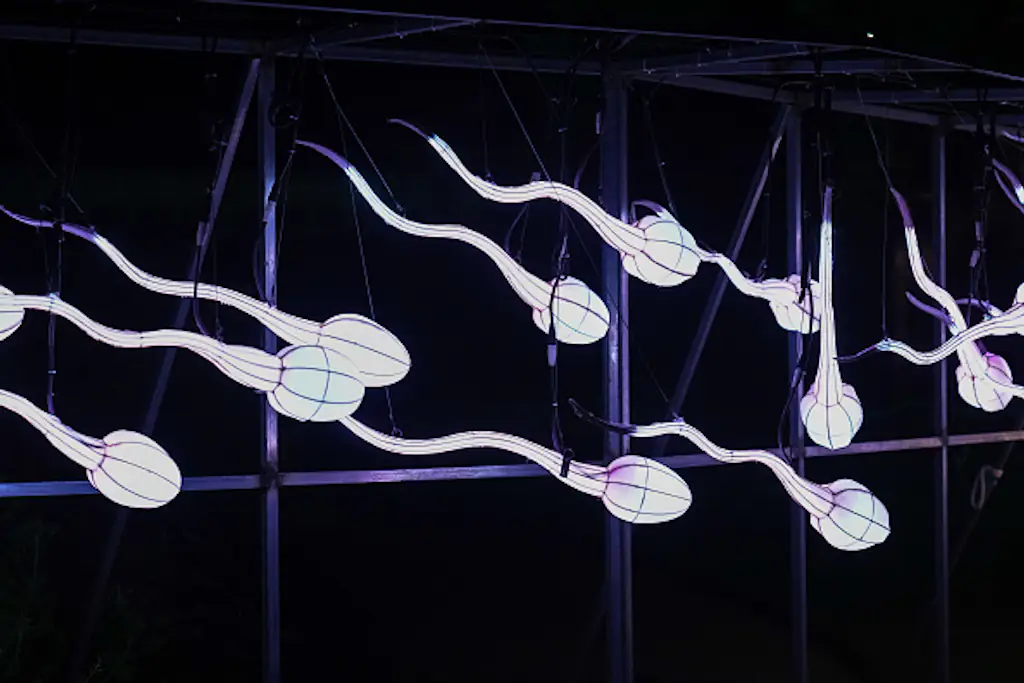
Regarding pregnancy rates, a 2018 study looking at male and female marijuana use and chances of getting pregnant in one menstrual cycle found little overall association between weed use and the probability of conception.
According to the source, “Although there is ample evidence that sperm count and quality is affected by THC if considering fertility overall (lower sperm count may still be sufficient for conception), it appears that there is no difference in the probability of couples getting pregnant among those using marijuana compared to those that did not, according to a recent study.”
The risks vs. the benefits of smoking weed
Health experts generally do not recommend marijuana for people trying to conceive. In addition to fertility concerns, the CDC lists possible negative health effects of marijuana, including addiction, negative effects on brain health, impaired driving, heart health impacts, lung damage from smoked weed, increased risk of mental health problems, the risk of children eating edibles by mistake, accidental overuse of edibles, and second‑hand smoke exposure.
The CDC also notes potential benefits, such as easing side effects of cancer and cancer therapies, and use for chronic pain relief.
“Based on the current evidence, it may be advisable to stop THC intake when conception is planned, even if the sperm count would likely be sufficient in the absence of other factors associated with decreased sperm count,” says Dr. Hofer. Dr. Stember agrees that those concerned about fertility should stop or reduce marijuana use, noting, “The more marijuana used, the more likely you are to have sperm problems.”