


Health3 min(s) read
Doctor reveals the 'most dangerous habit' for your health which nobody knows about
.webp_lli6Ty?tr=cr-74.9.445.380,f-webp,q-70,w-100)
A doctor has shared the "most dangerous habit" for your health - and there's a chance you do it every day without realizing.
There are many habits which are well known for having a detrimental effect on the health, including smoking or drinking alcohol, but it's the hidden ones that can cause serious damage without you even noticing.
Nutritionist, researcher, and chiropractic doctor Eric Berg DC took to YouTube to shine a light on one dangerous habit many people are doing daily.
He explained: "The number one most dangerous habit is not smoking, it's not eating sugar, it's not eating junk food. It's not even something people feel guilty about.
"Your doctor probably has never warned you about this and you've never seen a public health campaign against it.
"You've done it your whole life without even questioning it, and the majority of the grocery store, the granola bars, the protein bars, the chips, the crackers, are all designed to keep you doing it. And here's what it does in your body."

Dr Berg revealed that "constant snacking between meals" is one of the most dangerous habits to have, as it changes the way your body deals with insulin.
He explained: "Insulin's job is to push nutrition into your cells and bring your blood sugar down.
"Every time you eat, your pancreas releases insulin. If you eat three meals a day with no snacking, insulin spikes three times and comes back down between the meals.
"Your body gets these little windows when the insulin is low and it can access stored fat, it can repair cells, it can reduce inflammation."
However, if you constantly graze on snacks, this can lead on to a heap of serious issues.
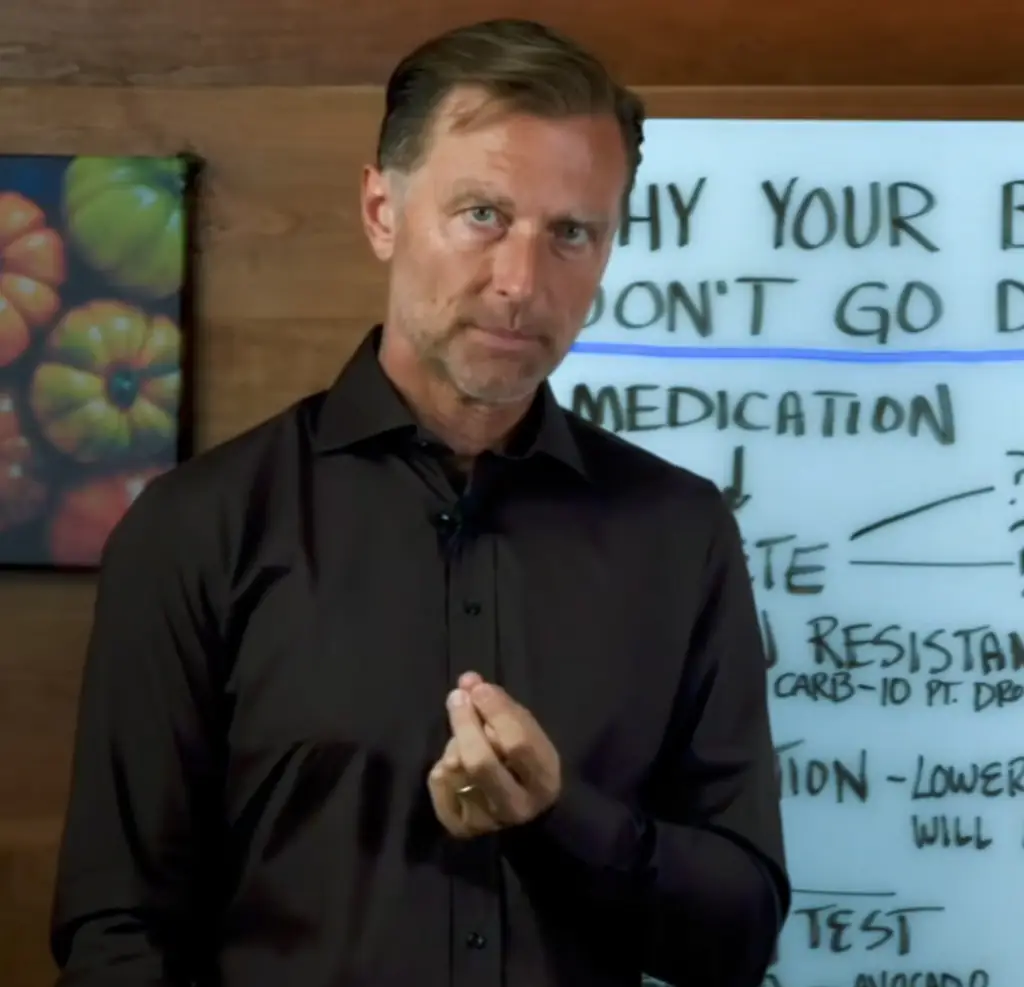
Dr. Berg revealed:"But when you're snacking between the meals, insulin never comes down. What this leads to is a protective mechanism called insulin resistance, because the body has to protect itself from all this excess insulin.
"Insulin resistance is the hidden root cause behind Type 2 diabetes, heart disease, fatty liver, PCOS (polycystic ovary syndrome), and even certain cancers.
"By the time you find out about it, you're already a diabetic, simply because doctors never test fasting insulin."
If it is caused by lifestyle habits rather than genetic factors or age, insulin resistance can often be controlled or even reversed by modifying the diet to eat more nutritious foods, losing excess weight, and increasing physical activity.
Healthcare providers may suggest reducing carbohydrates and unhealthy fats in the diet, as well as eating less sugar, red meats, and process starches, per the Cleveland Clinic, and instead having more whole foods such as vegetables, fruit, and whole grains, as well as more fish and lean poultry.
Eating lower GI (glycaemic index) foods can help to avoid causing such extreme insulin spikes, as higher GI foods usually contain high levels of carbs or sugar, which cause the blood sugar levels to increase quickly, needing more insulin to bring it back down.
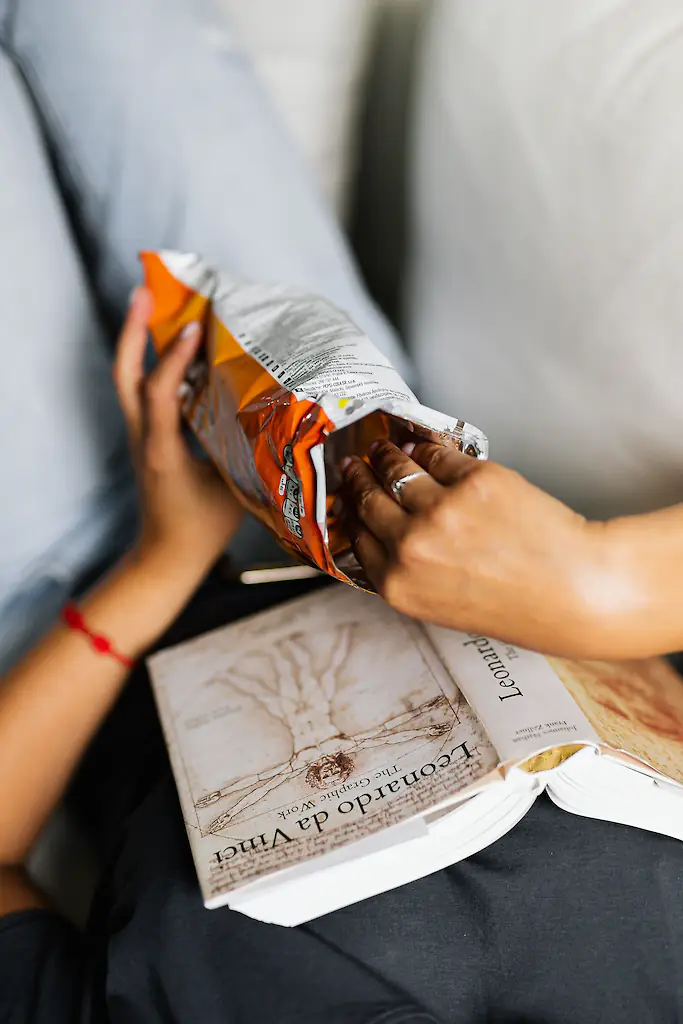
Lower GI foods cause a steadier rise in blood sugar, meaning the pancreas is not forced to work as hard to release insulin to bring the blood sugar level back down.
So next time you're reaching for a snack to stave off those 3PM cravings, it might be worth considering whether you can hold off until dinner time instead.
.jpg_I4Ebof?tr=cr-0.338.2730.3068,f-webp,q-70,w-100)


.webp_QQJmGo?tr=cr-345.0.1535.1190,f-webp,q-70,w-100)




.jpg_I4Ebof?tr=cr-0.338.2730.3068,f-webp,q-70,w-1024)


.webp_QQJmGo?tr=cr-345.0.1535.1190,f-webp,q-70,w-1024)

