


Health3 min(s) read
Experts baffled as parasite causes surge in cases of explosive diarrhea across the USA

A parasite known to cause explosive, watery diarrhea has sparked concern among health officials.
The Centers for Disease Control and Prevention (CDC) has announced that 145 people between the ages of 5 and 86 contracted Cyclospora cayetanensis between May and June 16.
Twenty people have been hospitalized, although no deaths have been reported.
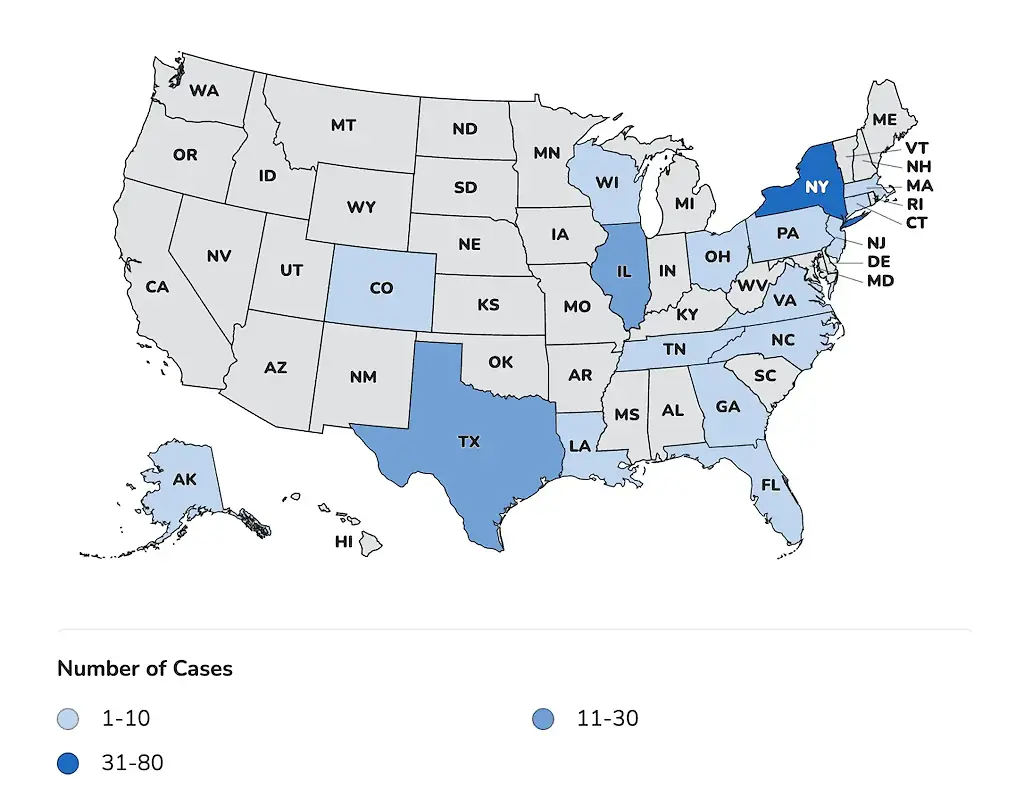
New York has reported the largest number of cases, with the CDC placing it in the 31 to 80 case range. Texas and Illinois have each reported between 11 and 30 cases, while the remaining affected states have reported between one and 10 infections.
Despite the growing number of cases, investigators have yet to pinpoint exactly what caused the outbreak.
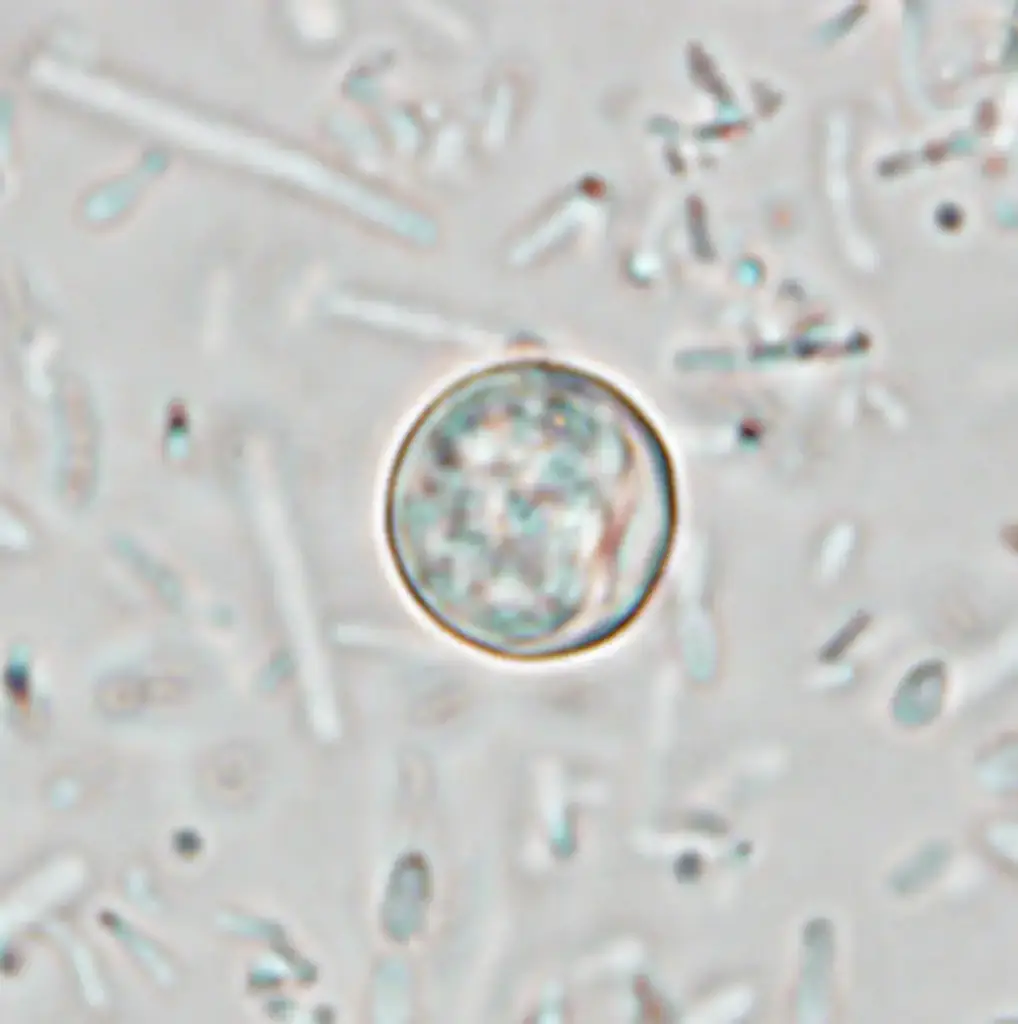
Officials suspect contaminated food
Cyclospora infections are usually associated with ingesting food or water contaminated with feces while traveling in tropical or subtropical regions.
However, because none of the current patients reported recent international travel, officials believe the infections were contracted from food consumed within the country.
There is also no evidence that the parasite spreads from person to person.
"Local, state, and federal (CDC, FDA) public health authorities are investigating several clusters of cases in more than one state. Investigations to identify potential sources are ongoing," the agency reported.
Officials have also cautioned that the true number of infections is likely higher than reported, as more cases may not yet have been diagnosed, and the parasite could already be present in states that have not officially reported infections.

What is cyclosporiasis?
The parasite causes cyclosporiasis, a foodborne illness that primarily affects the intestines.
Symptoms usually appear about a week after infection and include watery diarrhea, severe stomach cramps, bloating, nausea, vomiting, fatigue, loss of appetite, and low-grade fever.
Some people may also experience increased gas, weight loss, body aches, headaches, and other flu-like symptoms, while others may not develop symptoms at all.
Cyclosporiasis is considered a nationally notifiable disease, meaning healthcare providers are mandated to report cases to federal health authorities.
Although some infections resolve without treatment, symptoms can last for several days to more than a month, increasing the risk of dehydration if left untreated.
Doctors normally treat the illness with the antibiotic trimethoprim-sulfamethoxazole, sold under the brand names Bactrim, Septra, and Cotrim.
While investigators have not identified the food responsible for the current outbreak, fresh imported produce has been linked to several previous cases of cyclosporiasis in the United States.
Foods previously associated with outbreaks include cilantro, raspberries, sweet peas, mesclun lettuce, and basil.
In 2019, imported basil from Mexico was linked to an outbreak, while contaminated McDonald's salads left nearly 400 people sick in 2018.
.jpg_I4Ebof?tr=cr-0.338.2730.3068,f-webp,q-70,w-100)


.webp_vBqgAR?tr=cr-242.0.1293.1051,f-webp,q-70,w-100)

.webp_QQJmGo?tr=cr-345.0.1535.1190,f-webp,q-70,w-100)




.jpg_I4Ebof?tr=cr-0.338.2730.3068,f-webp,q-70,w-1024)

.webp_vBqgAR?tr=cr-242.0.1293.1051,f-webp,q-70,w-1024)

.webp_QQJmGo?tr=cr-345.0.1535.1190,f-webp,q-70,w-1024)
