


Health4 min(s) read
Neurologist issues warning over food most of us eat that can cause 'paralysis' and even death

A neurologist has warned that one everyday food could pose serious health risks, including paralysis and even death.
While most people know the importance of eating a healthy, balanced diet packed with fruits, vegetables, and lean proteins, certain foods can carry hidden dangers that have nothing to do with their nutritional value.
Dr Baibing Chen, a double-board-certified neurologist and brain health campaigner, has highlighted the one food he avoids to keep his brain healthy.
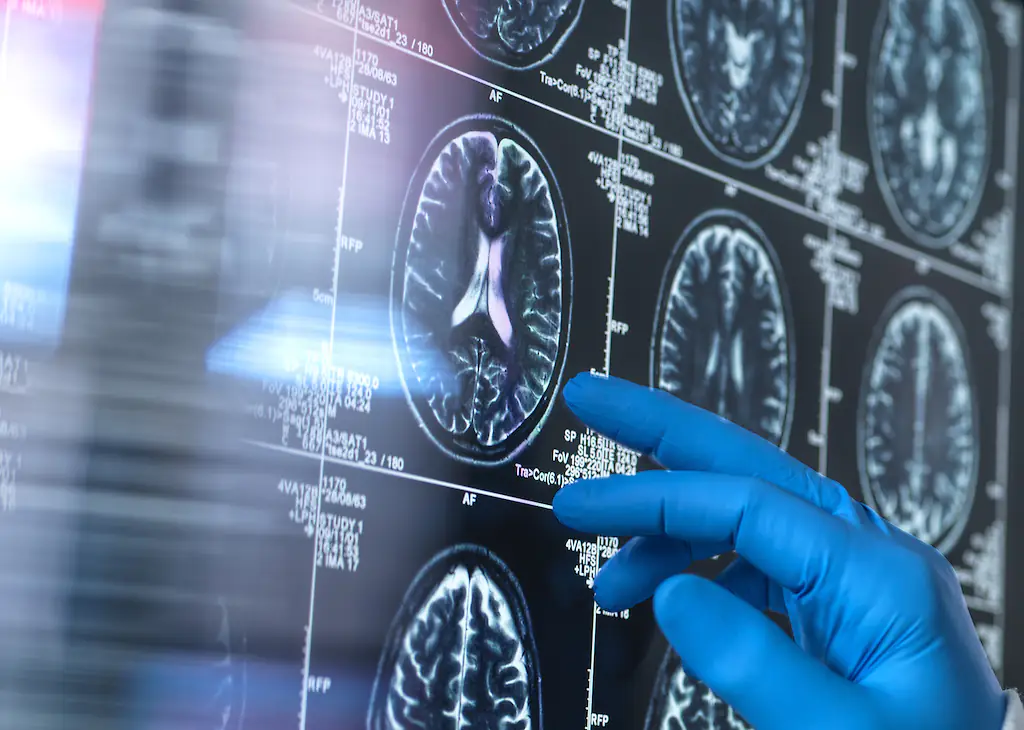
The neurologist said to avoid damaged canned food
Chen is known on social media as Dr. Bing and uses his platform to share brain health guidance.
The neurologist earned his medical degree from Shanghai Jiao Tong University, completed his residency at the University of Mississippi, and pursued fellowships at Emory University and the University of Mississippi.
One of Chen's biggest warnings concerns canned foods, particularly those packaged in containers that appear damaged.
"If a can is bulging, cracked, or severely dented, that's a red flag for botulinum contamination," he said, explaining: "This bacteria produces botulinum toxin, which is one of the most potent toxins that we know."
"And just a small amount can block acetylcholine release at the neuromuscular junction, meaning your brain can't tell your muscles to move."
Even small amounts can cause flaccid paralysis, blurred vision, respiratory failure, and potentially death without antitoxin treatment.
What makes the toxin dangerous is that it has no taste or smell, meaning contamination would only become clear once symptoms emerge.

Certain tropical reef fish
Chen shared more foods to avoid during his interview with CNBC.
Despite regularly recommending fish as part of a healthy diet, he has warned people to be careful when eating larger tropical reef species, including barracuda, grouper, and amberjack.
"They may contain a neurotoxin called ciguatoxin, especially if they were caught in places with coral reefs like the Caribbean and the South Pacific," he explained.
"I’ve personally seen a few cases of ciguatera poisoning, and symptoms can include a sensation of coldness, burning, tingling, dizziness, or even vivid nightmares. Because some of these symptoms are non-specific, it can be easily misdiagnosed, especially without a detailed patient history."
Unlike botulinum toxin, ciguatoxin is heat-stable, which means that cooking or freezing the fish will not make them safe.
"Try to limit your intake of large predatory fish, avoid certain parts like liver, roe, and heads, and be particularly cautious in endemic areas," he added.
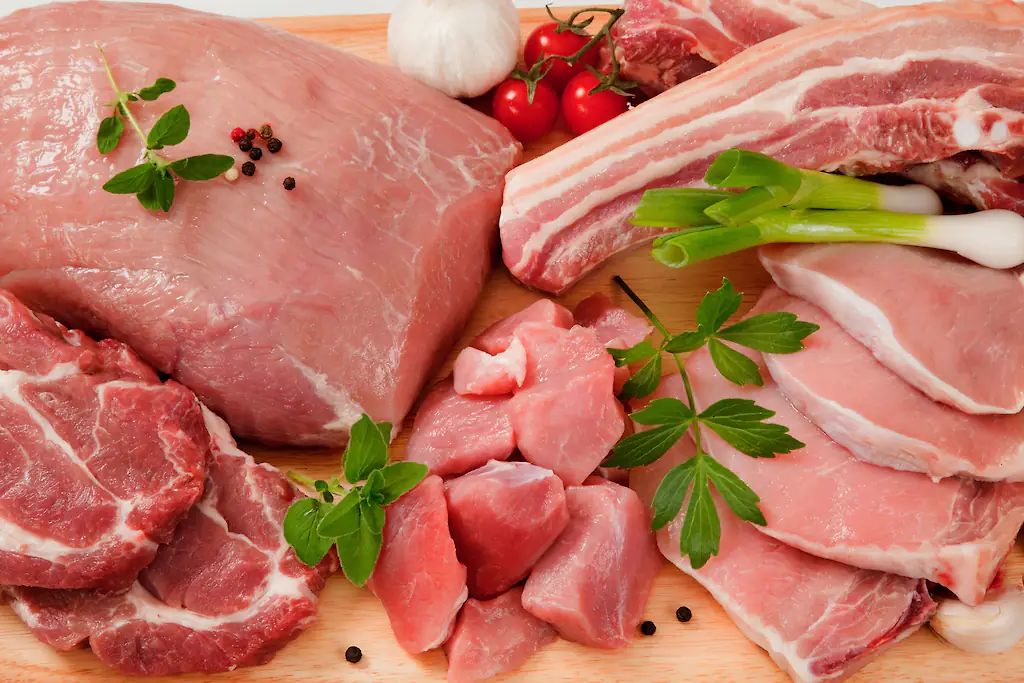
Uncooked or undercooked pork
Another food Chen warns about is uncooked or undercooked pork, especially from poorly regulated sources.
Eating pork containing tapeworm larvae can cause an intestinal infection known as taeniasis.
"The tapeworm’s larvae can travel to the brain and cause a variety of symptoms, including seizures, increased intracranial pressure, and even dementia-like symptoms. Brain imaging typically shows multiple cysts in the person’s brain," he said.
He shared that neurocysticercosis "is one of the leading causes of acquired epilepsy worldwide," adding that while it isn’t very common in developed countries, he has seen cases in the US.
"So if you travel frequently to or spend significant time in developing countries - or anywhere with poor sanitation - cook pork thoroughly and practice good hand hygiene," he concluded.

Unpasteurized milk
Lastly, the neurologist warns against drinking raw milk that has not been pasteurized to remove potentially harmful microorganisms that can cause disease.
Unpasteurized dairy products can contain bacteria including E. coli, Listeria, and Salmonella.
These infections can sometimes cause severe complications, including meningitis, neurological damage, kidney failure, and, in extreme cases, death.
"Current data shows that children, pregnant women, the elderly, and immunocompromised individuals are at highest risk for severe outcomes, including hemolytic uremic syndrome, miscarriage, and death," he said. "I’ve personally seen cases of irreversible damage to the brain leading to seizures, meningitis, and coma that were caused by pathogens from unpasteurized products."
He added that claims that drinking unpasteurized milk lowers "rates of asthma, cancer, or lactose intolerance" are "unsubstantiated".