


Health3 min(s) read
Symptoms of meningitis as cases grow amid fear of global outbreak

Health officials are warning about the symptoms of meningitis as cases linked to an outbreak at the University of Kent and in the Canterbury area continue to rise.
Authorities say the number of cases is expected to increase. Professor Robin May, chief scientific officer at the UK Health Security Agency (UKHSA), described the situation as unprecedented, saying while appearing on BBC Breakfast: "This is a very unusual outbreak."
What are the symptoms of Meningitis B?
Common signs include a high temperature, vomiting, confusion, rapid breathing, muscle and joint pain, and cold hands and feet.
Other symptoms can involve pale or blotchy skin, a rash, headaches, a stiff neck, sensitivity to light, extreme drowsiness, and seizures.
Single-event outbreak raises concern among health officials
At least 20 cases have already been identified, with more expected. Prof May explained: "I would say in outbreaks like this, you would typically expect a small increase in numbers still to go so I suspect that number will go up slightly."
What makes this outbreak stand out is that many cases appear to be linked to a single event at a nightclub in Canterbury. Normally, meningitis cases occur individually, but Prof May noted: "Most days, actually, we would see one in the UK. This is obviously a much larger number." He added that the clustering of cases is "particularly remarkable" and could be due to social behaviours or possibly changes in the bacteria itself.
Tragically, one school pupil and one university student have died, while other patients have become seriously ill, with some placed in induced comas.
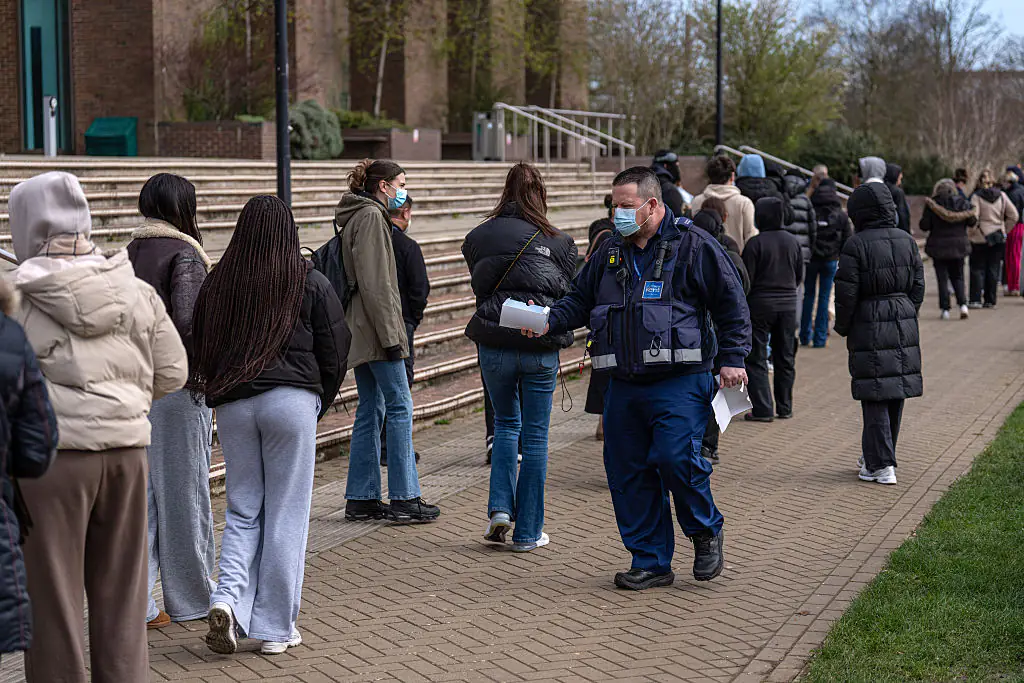
In response, thousands of students in Canterbury are being offered vaccines and antibiotics. Hundreds have already queued for the meningitis B (MenB) vaccine, which provides longer-term protection, while antibiotics are being used as an immediate precaution.
Prof May also explained how the bacteria spreads. "So this is a bacteria that is actually quite widespread," he said, noting that many people carry it without becoming ill. However, it can cause severe disease in some cases. It is mainly passed through close contact, including saliva, kissing, and sharing items like cups or vapes.
He reassured the public that it does not spread easily through the air like flu or Covid: "Unless you're in quite close contact for an extended period of time with them, you are not at risk."
Health officials have urged doctors to stay alert, especially when young people show symptoms, as the illness in this outbreak has been described as severe and fast-moving. Despite concerns, authorities say there is no indication of widespread national transmission at this stage.
Cases linked to the outbreak remain concentrated in Kent, though one related case in France has been reported and is now in stable condition.