


LGBTQ3 min(s) read
Many people identify as 'Neptunic' sexuality - here's what the term actually means

l
Conversations around gender and sexuality have broadened massively in recent years. As terms like non-binary, genderfluid, and intersex become widely understood, other identities are also gaining visibility – including neptunic sexuality, a label many people are now embracing to better describe who they’re attracted to.
Below, we break down what “neptunic” actually means, how it differs from similar identities, and where the term originated.
What Does “Neptunic” Mean?
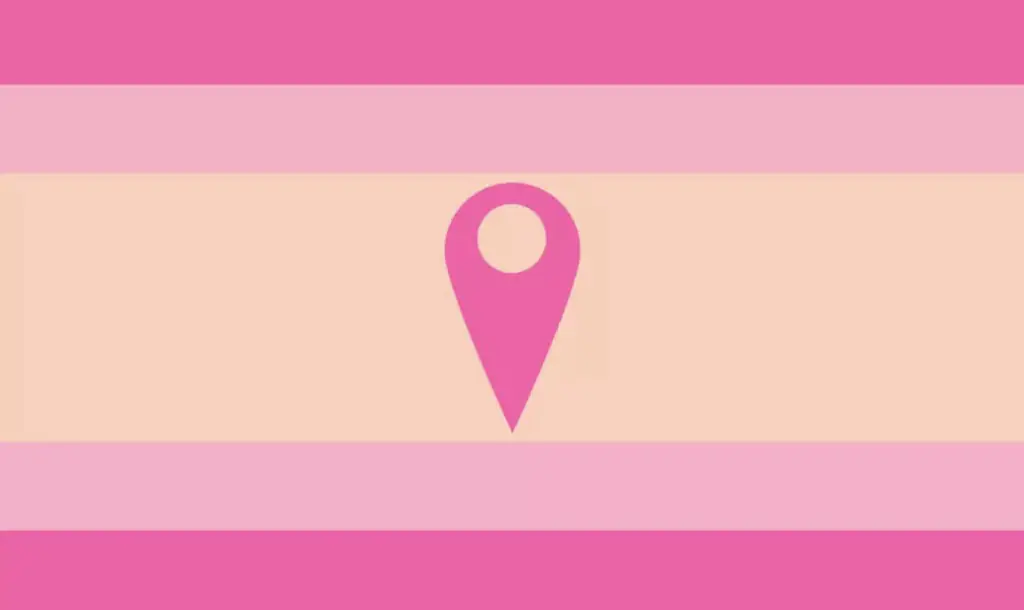
Neptunic refers to people who are attracted exclusively to neutral non-binary individuals, feminine-aligned non-binary people, and women. You may also hear this orientation called nomascsexual.
In simple terms: neptunic people are not attracted to men or masculine-aligned non-binary individuals.
The label is flexible – someone might identify as a neptunic cis woman, a neptunic non-binary person, or use it alongside other orientation terms.

Credit: David Silverman/Getty Images.
Other Sexualities Used Within the Non-Binary Community
Neptunic is one of many identity labels that help non-binary people describe their attraction in a more precise way. Here are a few related terms:
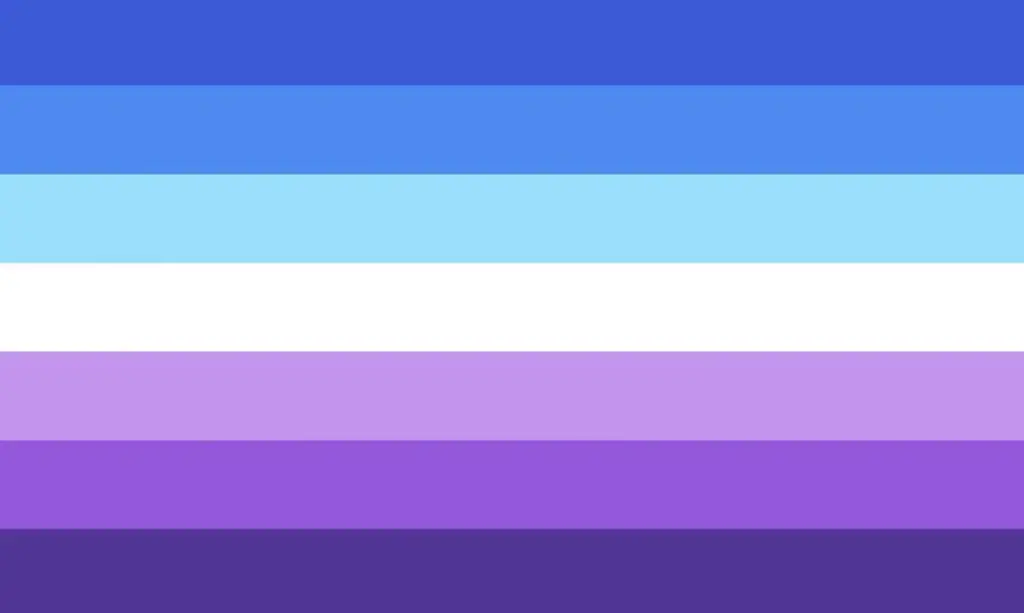
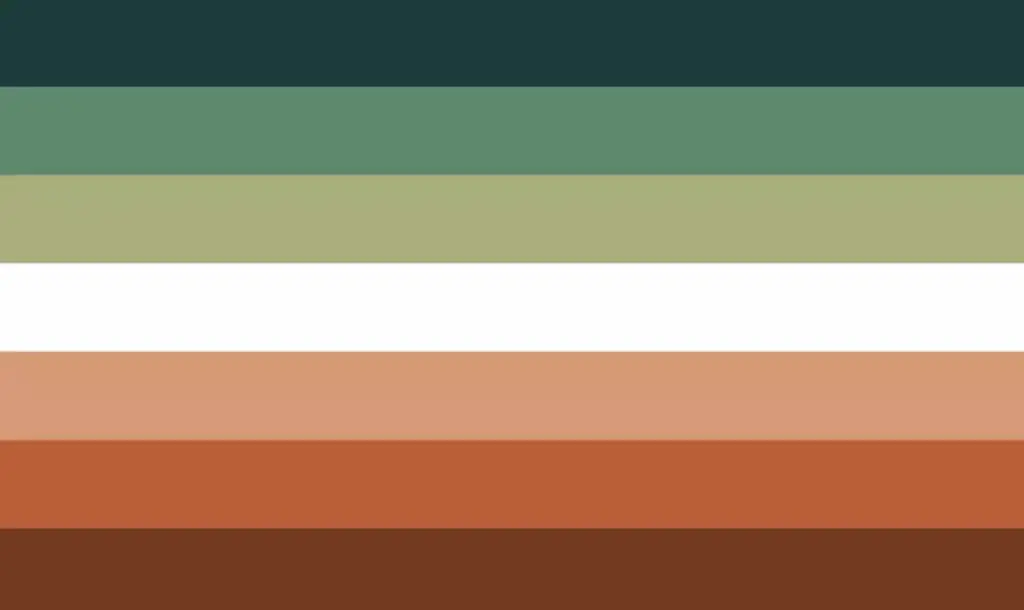
- Uranic – attraction to neutral non-binary, masculine non-binary, and male genders.
- Saturnic – attraction to androgynous-aligned non-binary people.
- Trixic – non-binary people attracted to women.
- Toric – non-binary people attracted to men.
- Venusic – non-binary people attracted to lunarians, women, and women-aligned genders.
- Lunarian – non-binary individuals who are female-aligned or identify as female.
- Solarian – non-binary individuals who are male-aligned or identify as male.
- Stellarian – neutral-aligned people who don’t identify as masculine or feminine but still experience a sense of gender.
Neptunic vs. Lesbian: What’s the Difference?
While lesbian usually refers to cis or trans women attracted to women, neptunic is primarily a label used by non-binary people. Many prefer it because it avoids assumptions about their gender and gives a clearer picture of who they’re attracted to.
That said, anyone who feels the term fits their experience is welcome to use it.
Where Did “Neptunic” Come From?
The term originated on Tumblr. User socialjusticeichigo coined “neptunic” on August 31, 2017, as a shorter, more approachable version of “nomascsexual.” They emphasized that the label is not exclusive to non-binary people – it’s open to anyone who finds it helpful.
You might be neptunic if you’re drawn to:
- women
- feminine-leaning non-binary people
- neutral non-binary people
…while not feeling attraction toward men or masculine-aligned individuals.
Because sexuality is deeply personal and often fluid, there’s no test – if the term resonates with you, it’s valid to use it.

Crdit: Alexander Spatari/Getty Images.
What Pronouns Do Neptunic People Use?
Neptunic individuals may be:
- non-binary
- cisgender
- transgender
Their pronouns can be she/her, he/him, they/them, or newer gender-neutral sets like xe/xem, ze/zir, or ey/em. As always, the most respectful approach is to share your own pronouns and ask others for theirs.
The Bottom Line
Neptunic is still a relatively new identity, which means misinformation (and curiosity) are common. If you’re exploring this term – whether for yourself or simply to learn – you’re already contributing to a more informed and inclusive world.
Understanding expanding sexual and gender identities not only helps validate individual experiences but also fosters a community where everyone feels seen.
.webp_QQJmGo?tr=cr-345.0.1535.1190,f-webp,q-70,w-100)


.webp_SmgFsc?tr=cr-292.0.1244.952,f-webp,q-70,w-100)




.webp_QQJmGo?tr=cr-345.0.1535.1190,f-webp,q-70,w-1024)


.webp_SmgFsc?tr=cr-292.0.1244.952,f-webp,q-70,w-1024)

