


Entertainment News5 min(s) read
10 years after Alan Rickman's death - looking back at his iconic career and legendary performances
.jpg_I4Ebof?tr=cr-0.338.2730.3068,f-webp,q-70,w-100)
It has been ten years since Alan Rickman died, yet his presence still feels remarkably close.
His voice, calm and deliberate, continues to echo through film, theatre, and popular culture.
Whether you first encountered him as a sharp-witted villain, a reluctant romantic, or a misunderstood teacher in a black cloak, Rickman had a rare ability to stay with audiences long after the credits rolled.
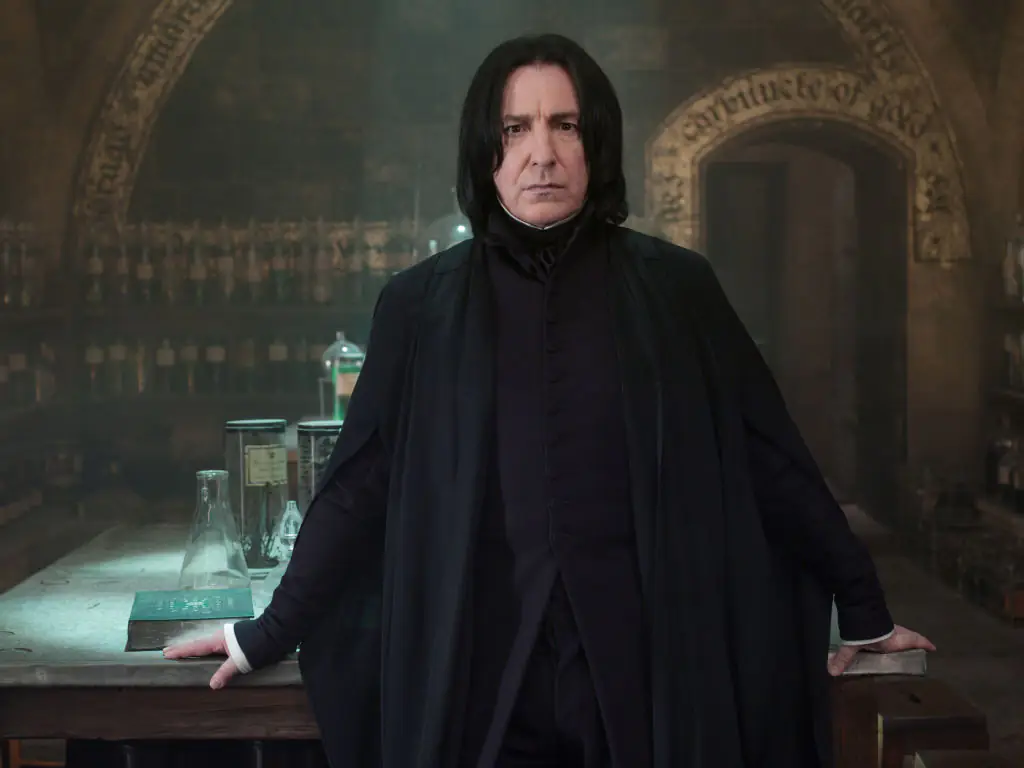
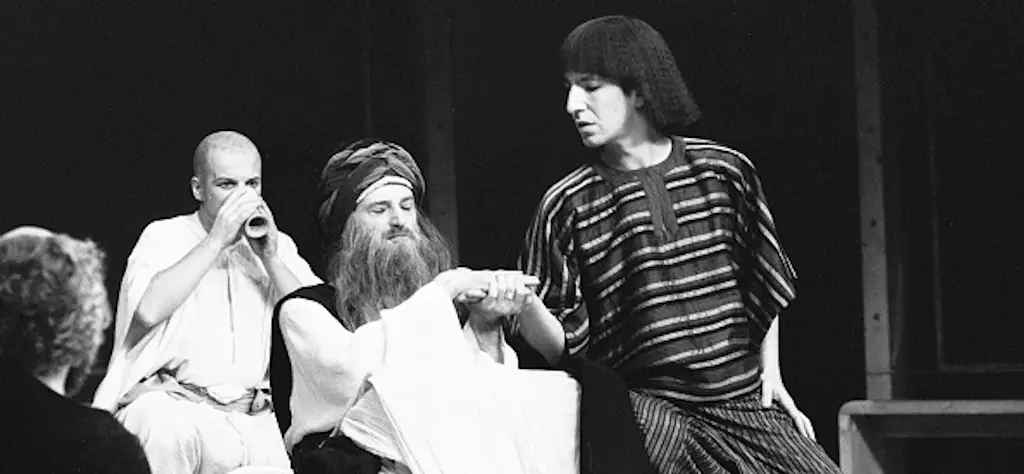
Born in London in 1946, Alan Rickman did not take the most direct route into acting. Before training at the Royal Academy of Dramatic Art, he studied graphic design and worked as a designer, an experience that shaped his meticulous approach to performance.
When he did commit to acting, he brought with him a visual intelligence and discipline that set him apart. Every pause felt considered. Every line carried weight.
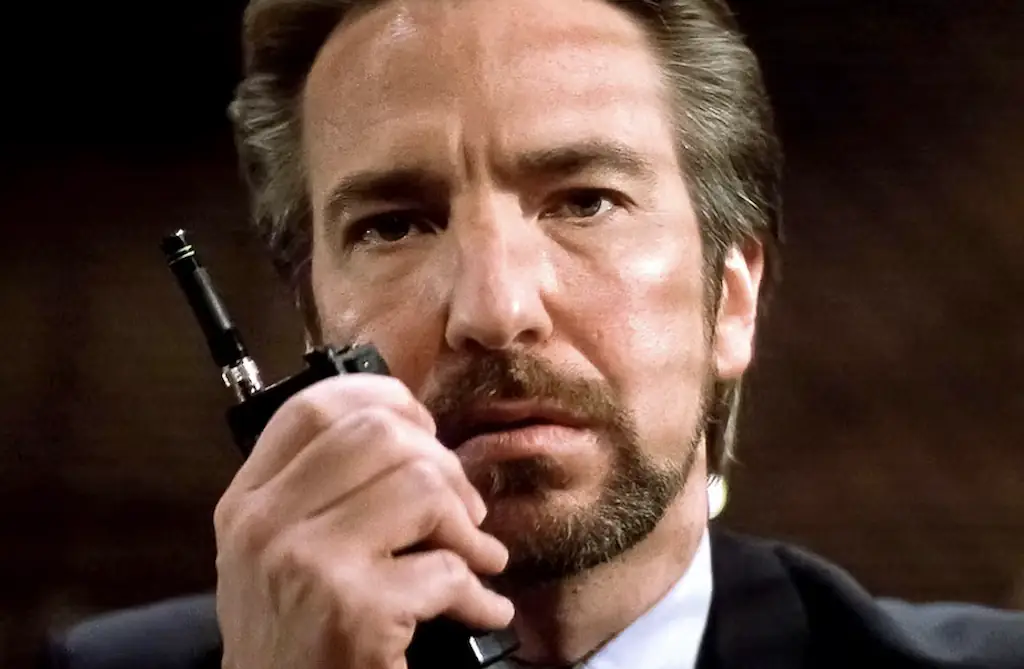
For many, his international breakthrough came with Die Hard, where he played Hans Gruber with a wit and elegance rarely afforded to action villains at the time.
Rickman turned what could have been a disposable antagonist into someone genuinely memorable. It was an early sign of what would become a defining feature of his career: the ability to elevate material through sheer presence and intelligence.
Yet Rickman refused to be boxed into a single type. He moved effortlessly between genres, bringing emotional depth to roles that might otherwise have felt slight.
In Sense and Sensibility, his Colonel Brandon was restrained, romantic, and quietly devastating, a performance that revealed how adept he was at tenderness and vulnerability.
Audiences who knew him only as a villain were often surprised by how moving he could be.
For an entire generation, though, Rickman will always be Severus Snape.
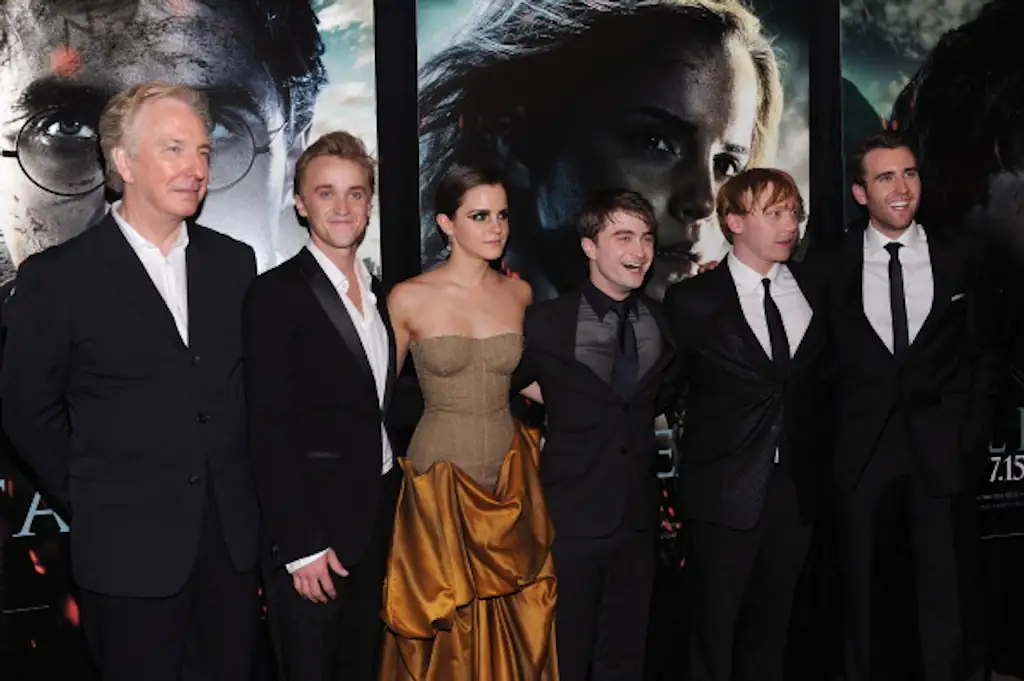
Across eight Harry Potter films, he transformed a character initially written as cold and antagonistic into one of the saga’s most emotionally complex figures.
Snape’s bitterness, loyalty, and concealed grief were all conveyed through subtle shifts in expression and tone. Rickman famously knew key elements of Snape’s backstory long before they were revealed on screen, and that knowledge informed every decision he made in the role.
What made his portrayal so powerful was restraint. Rickman trusted the audience.
He allowed silence to speak, glances to linger, and emotion to simmer rather than explode.
By the time Snape’s full story was revealed, viewers found themselves reassessing years of interactions, realising how carefully Rickman had layered the performance from the very beginning.
It is one of the clearest examples of long-form character work in modern cinema.
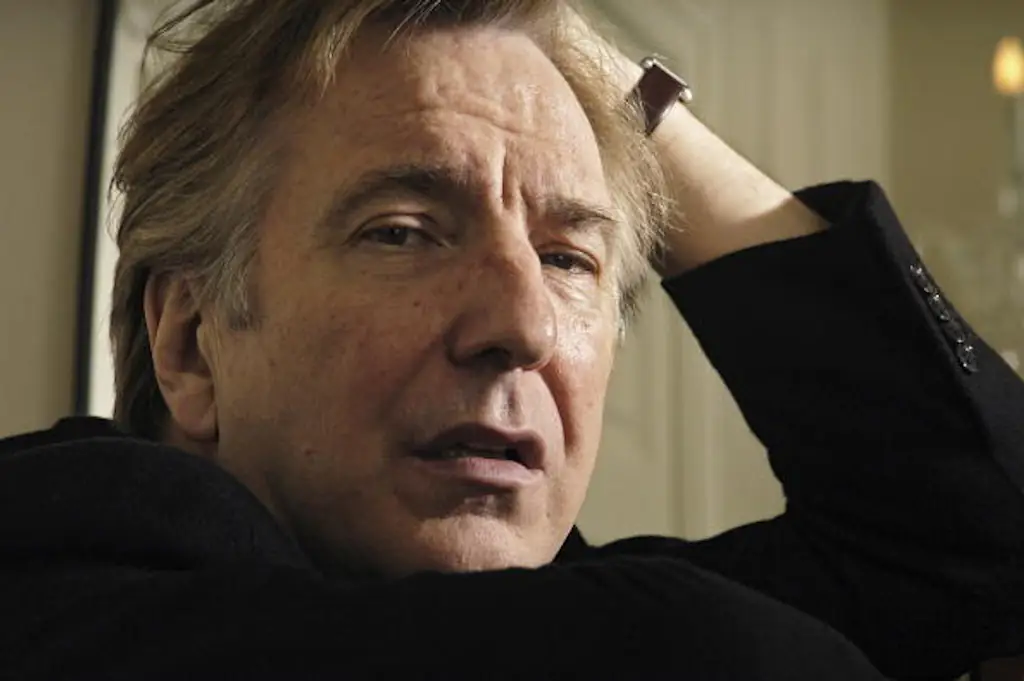
Off screen, Rickman was widely admired for his kindness, loyalty, and integrity. Colleagues often spoke of his generosity with younger actors, his refusal to tolerate bullying or arrogance on set, and his deep respect for the craft.
He was political without being performative, principled without being preachy, and private in a way that felt dignified rather than distant.
He also directed films, including The Winter Guest and A Little Chaos, revealing a quieter creative side. These projects reflected his interest in intimacy, character, and human connection, themes that ran through much of his acting work as well.
Even when working on large studio productions, Rickman was drawn to stories about people rather than spectacle.
Part of why he remains so loved, ten years on, is that he never chased celebrity for its own sake.
He seemed more interested in the work, in collaboration, and in doing things properly.
He chose roles that intrigued him rather than those that simply promised visibility. In an industry that often rewards volume over depth, Rickman stood for something different.
His death in January 2016 came as a shock to many, not least because he had kept his illness private. Tributes poured in from across the world, not only from fans but from actors, directors, writers, and crew members who spoke less about his fame and more about his humanity.
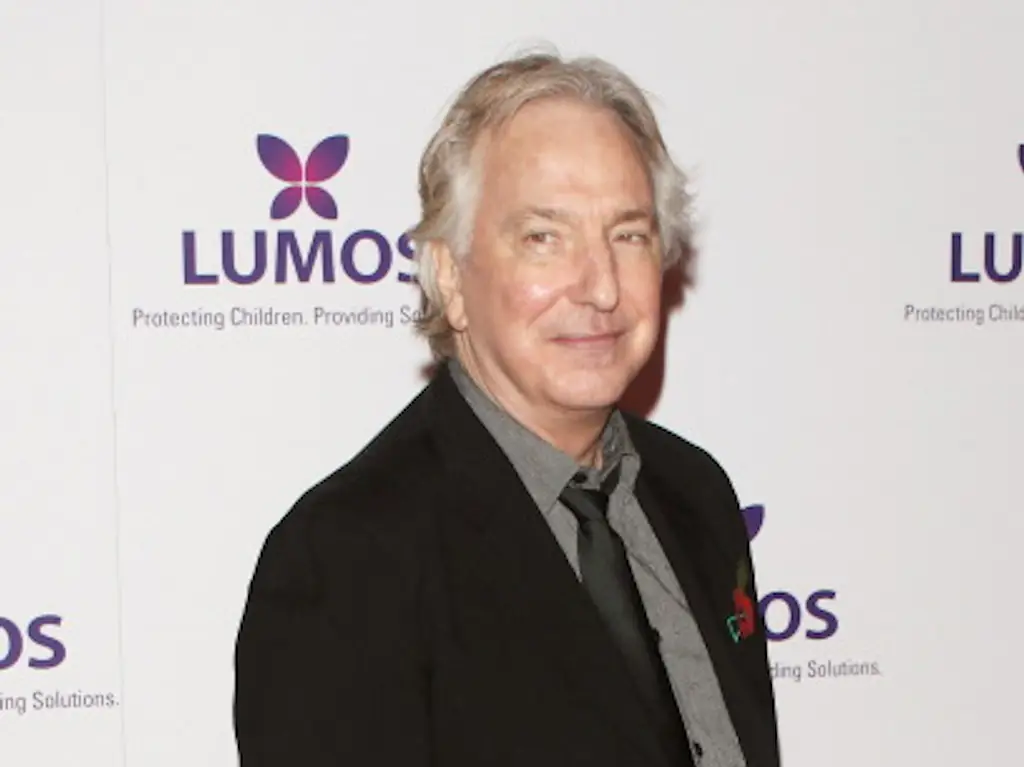
A decade later, Alan Rickman’s legacy feels unusually intact. His performances have not dated. His voice still commands attention. His characters continue to be discovered by new audiences. Whether remembered as Snape, Hans Gruber, Colonel Brandon, or any number of other roles, he remains a reminder that intelligence, subtlety, and kindness can leave a lasting mark.
Ten years without him, and he is still very much here.