


UK6 min(s) read
Judge makes extraordinary offer to teen who stabbed her childhood abuser on his doorstep
.jpg_I4Ebof?tr=cr-0.338.2730.3068,f-webp,q-70,w-100)
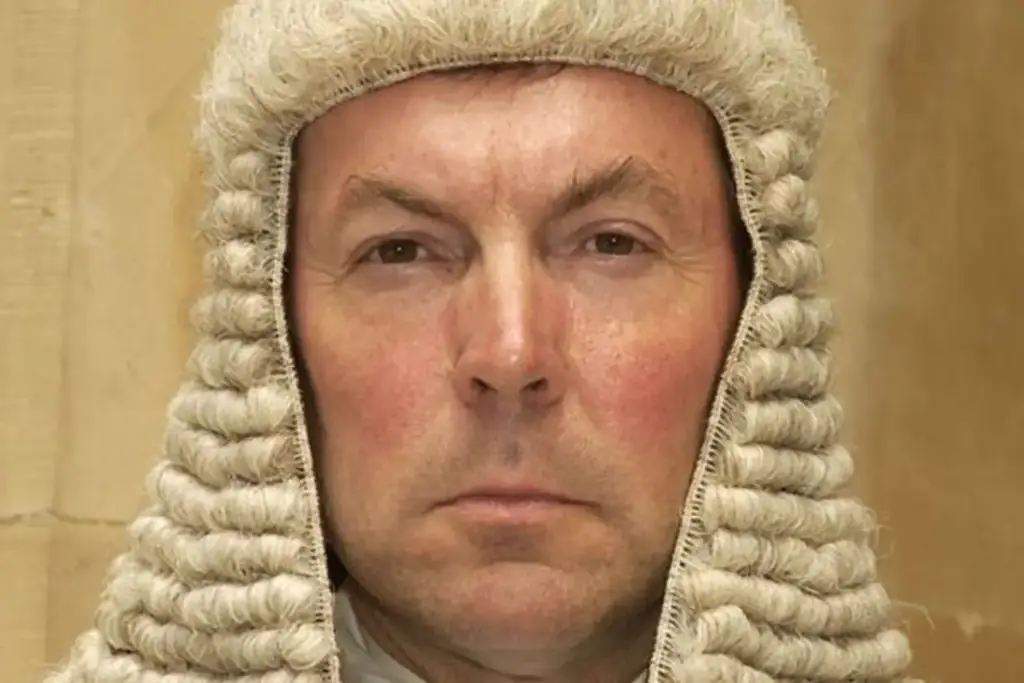
A judge refused to jail a 15-year-old girl who stabbed the man who sexually abused her as a child - and then made an extraordinary offer from the bench that left the courtroom stunned.
Judge Jonathan Durham Hall QC told the teenager at Bradford Crown Court that he would not impose the mandatory victim surcharge - a fee typically applied to anyone convicted of a criminal offence in England and Wales.
But he went further.
"If anyone tries to force you, I will pay it myself," he said.
What happened in the case?
The girl, who cannot be named for legal reasons, was just eight years old when a 56-year-old man from Bradford sexually assaulted her.
He was convicted at the same court in November 2010 of sexual assault and inciting a child under 13 to engage in sexual activity.
His sentence was a community order with two years' supervision. He was placed on the sex offenders register and banned from having any contact with his victim.
He did not spend a single day in prison.
How did the victim react to the sentence?
The court heard that the girl was 'entirely destroyed' by the fact that the man who abused her walked free.
Her barrister, Miss Gilmore, told the judge that the original sentence had a devastating and lasting impact on the child.
She had been forced to give evidence at his trial because he denied the offences.
After the case, she became paranoid that he was 'going to get her'.
She was excluded from school for poor behaviour. She feared she would never be able to get a husband.
She described living her life in 'a bad dream'.
The girl was eight years old when the abuse happened.
She was still a child when the justice system told her, in effect, that what had been done to her was not serious enough to warrant a custodial sentence.

What did the teenager do?
In 2015, when she was 14, the girl went to her abuser's home and stabbed him in the chest with a large kitchen knife.
She then hugged her aunt and said: "Tell my mum I love her."
She walked to Trafalgar House Police Station in Bradford city centre and handed herself in. She told officers: "I've killed someone."
The man survived after being admitted to intensive care and receiving a blood transfusion. But the girl believed she had killed him, and she turned herself in anyway.
She was initially charged with attempted murder, though the Crown Prosecution Service later accepted a guilty plea to the lesser charge of causing grievous bodily harm with intent.
What did the judge say at sentencing?
Judge Durham Hall's remarks at Bradford Crown Court were striking - not just for what he said, but for how far they departed from the tone typically heard in a sentencing hearing.
He told the girl: "It would be a disgrace to send a survivor like you to prison."
Rather than a custodial sentence, he handed her a two-year youth rehabilitation order.
He also refused to impose the mandatory victim surcharge - a standard court fee that would have required the girl to pay money to the man she had attacked, the same man who had sexually abused her as a child.
It was at that point that he made his now-famous offer to cover the cost himself if anyone attempted to enforce it.
The case has since been widely shared online and cited in broader debates around how the justice system handles victims of child sexual abuse - particularly when abusers avoid meaningful punishment.
What is the mandatory victim surcharge?
The victim surcharge is a fee added to criminal sentences in England and Wales.
It is not optional - courts are required to impose it in almost all cases, regardless of the circumstances.
The money goes into a central fund that supports victim services.
But in cases like this, the result is that a victim of child sexual abuse who retaliates against her abuser can technically be required to pay a fee that benefits the person who abused her.
Judge Durham Hall's refusal to impose it - and his willingness to pay it himself - drew widespread attention to what many see as a flaw in the system.
Judges do not normally have the discretion to waive the surcharge, which made his public statement all the more unusual.
Why did the case resonate so widely?
There are a few reasons.
The first is the raw detail of what happened.
An eight-year-old girl was sexually abused. Her abuser walked free. She was forced to testify against him.
She was then left to carry the psychological damage alone, while the man who caused it went home.
Six years later, she went to his house and stabbed him.
The second is the judge's response.
In a legal system that is often criticised for its rigidity, Judge Durham Hall made a very deliberate choice to acknowledge the human reality of what was in front of him.
He did not excuse the violence. He did not pretend it was acceptable.
But he recognised that the girl had been failed long before she picked up that knife.
The third is the question it raises about sentencing.
The man who abused a child received a community order. The child who stabbed him faced a potential life sentence for attempted murder.
That disparity is difficult to sit with, regardless of where you stand on the legal arguments.
It is a case that has drawn comparisons with other instances where victims or their families have taken matters into their own hands after feeling let down by the courts.
Where are they now?
The girl's identity has been protected throughout, and there have been no public updates on her life since the case concluded. She would now be in her mid-20s.
Her abuser survived the attack. His current status is not publicly known.
Judge Jonathan Durham Hall QC continued to sit at Bradford Crown Court after the case and was known for his direct approach on the bench.
He presided over a number of high-profile cases in the years that followed.
The case remains one of the most shared examples of a judge publicly pushing back against a sentencing framework - and the image of a Crown Court judge offering to pay a teenager's fine from his own pocket is one that continues to resurface online years later.
It is not hard to see why.








.jpg_I4Ebof?tr=cr-0.338.2730.3068,f-webp,q-70,w-1024)


