


UK4 min(s) read
UK government to ban anyone born after this year from buying cigarettes or vapes for life - could Trump and the USA follow?
.jpg_xKEaT0?tr=cr-0.328.2730.3058,f-webp,q-70,w-100)
The UK government has reached an agreement to ban smoking for good.
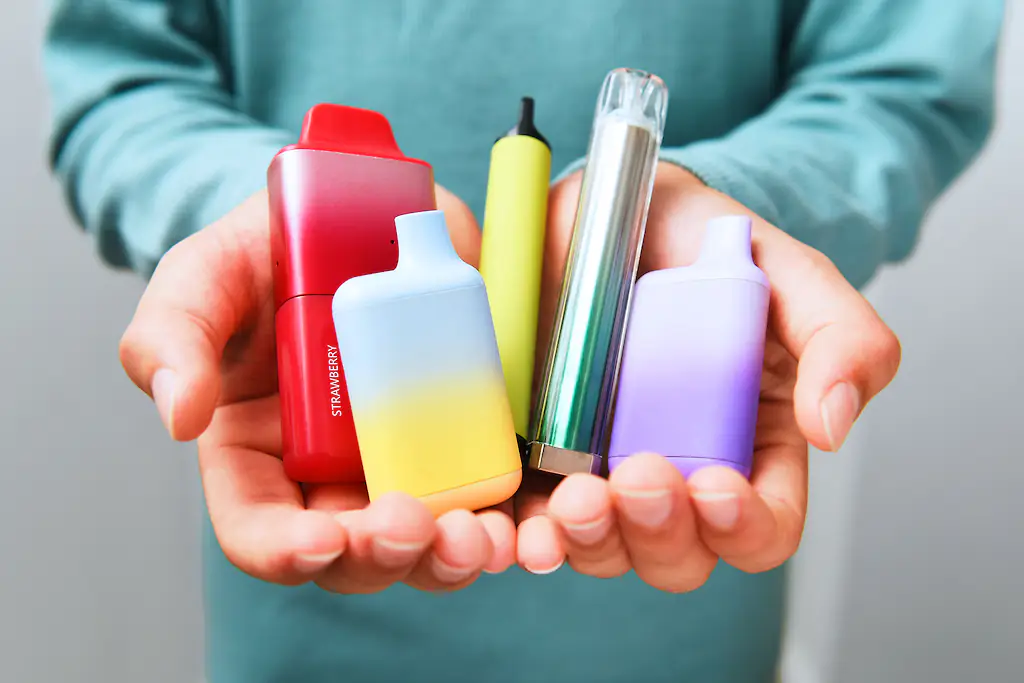
British officials have worked to crack down on smoking and vaping, having banned disposable vapes completely last year.
On October 1, 2026, the Vaping Products Duty will see the prices of vapes and e-cigarette liquids increase, in another attempt to foster a smoke-free generation.
But it has now been announced that the UK government has officially passed a bill which aims to stop the next generation of 18-year-olds from taking up smoking as a habit.
Today's teenagers are set to be banned from purchasing any smoking products in their lives, while ministers will not have powers to regulate tobacco, vaping and nicotine products - only once it is made an Act of Parliament.

What does the new law mean for Brits?
Both the Commons and Lords have agreed on a final draft of the new Tobacco and Vapes Bill, which aims to stop anyone born on or after January 1, 2009 from smoking.
The health measure has been made to cut down on the leading cause of preventable death across the UK, reports the BBC.
It is one of the country's leading causes of preventable death, disability and ill health.
Smoking causes anywhere between 74,600 to 78,000 deaths a year across the UK, and the new law means that ministers will have control over smoking products, which includes their flavours and packaging.
In addition to this change, vaping will be banned in cars with children, in playgrounds, and outside schools and at hospitals.
Outdoor areas such as pub gardens and open spaces like beaches and private outdoor spaces, were not included in new measures.
Smoking and vaping is still permitted in people's homes.
Support from British officials
Wes Streeting, the Secretary of State for Health and Social Care, explained: "Prevention is better than cure – this reform will save lives, ease pressure on the NHS, and build a healthier Britain."
He also said that it was a historic moment for the nation's health.
Speaking to the Lords, health minister Baroness Merron said: "It is, in fact, the biggest public health intervention in a generation and I can assure all noble Lords it will save lives."
But some opposed the new law, as Lord Naseby, a Conservative former MP, said that the bill would "upset a great many people in that industry", such as retailers.
He claimed: "What we really need is a proper understanding of how we educate people not to take up smoking."
"I can overall assure Lord Naseby, as I've done on a number of occasions, about how closely we have worked with retailers, and we will continue to do so," Lady Merron replied.
Could the US introduce a similar law?
It was reported last year by Newsweek that the state of Nevada could become the first in the US to place a generational ban on cigarette sales, following a proposal.
Assembly Bill 279 was sponsored by Democratic Assemblymember David Orentlicher, and it looked to prohibit the sale of cigarettes to anyone born after December 31, 2004.
Similar to the UK's latest move, its goal was to slowly phase out nicotine consumption by aiming to affect future generations.
According to the US Centers for Disease Control and Prevention (CDC), cigarette smoking kills over 480,000 people every year.
Beverly Hills and Manhattan Beach, California, banned the sale of most tobacco products from 2021 onwards, while cities such as Brookline, Massachusetts, have prohibited tobacco sales to those born after 2000.
Though if this proposal were to be approved by Nevada, it would be the most widespread ban implemented across the country.
It would mean that those aged 21 and up would be able to continue buying cigarettes, but those younger would be banned for life.