


US3 min(s) read
Expert anesthesiologist reveals real reason why the lethal injection didn't kill Christa Pike following failed execution
.jpg_xKEaT0?tr=cr-0.328.2730.3058,f-webp,q-70,w-100)
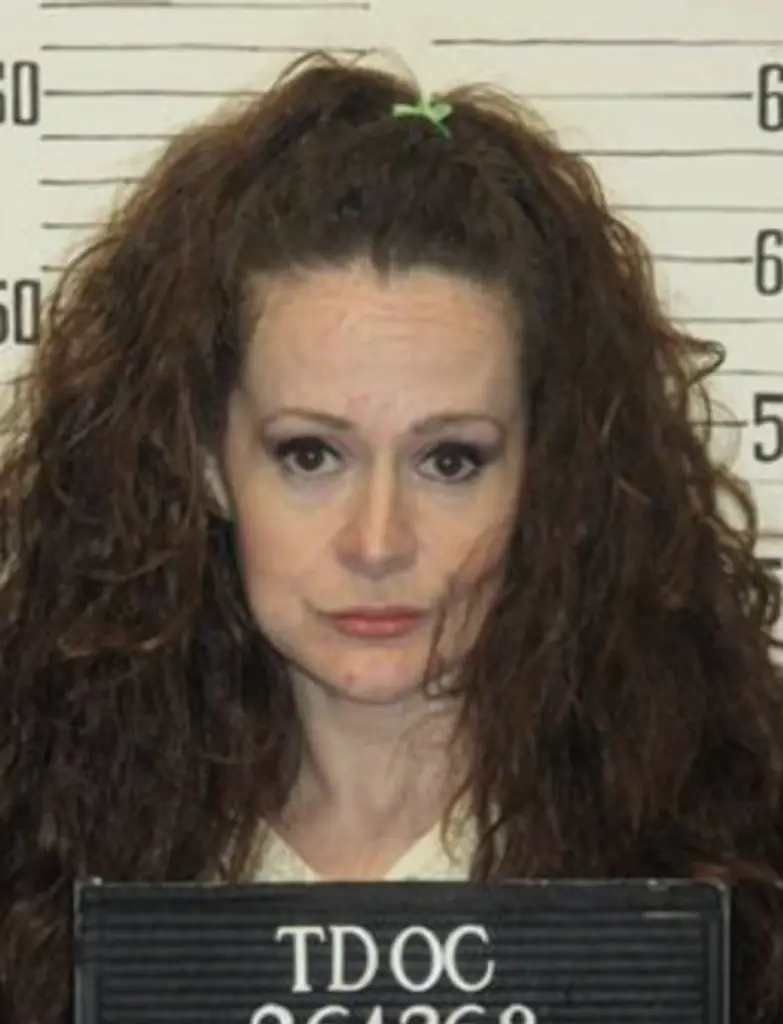
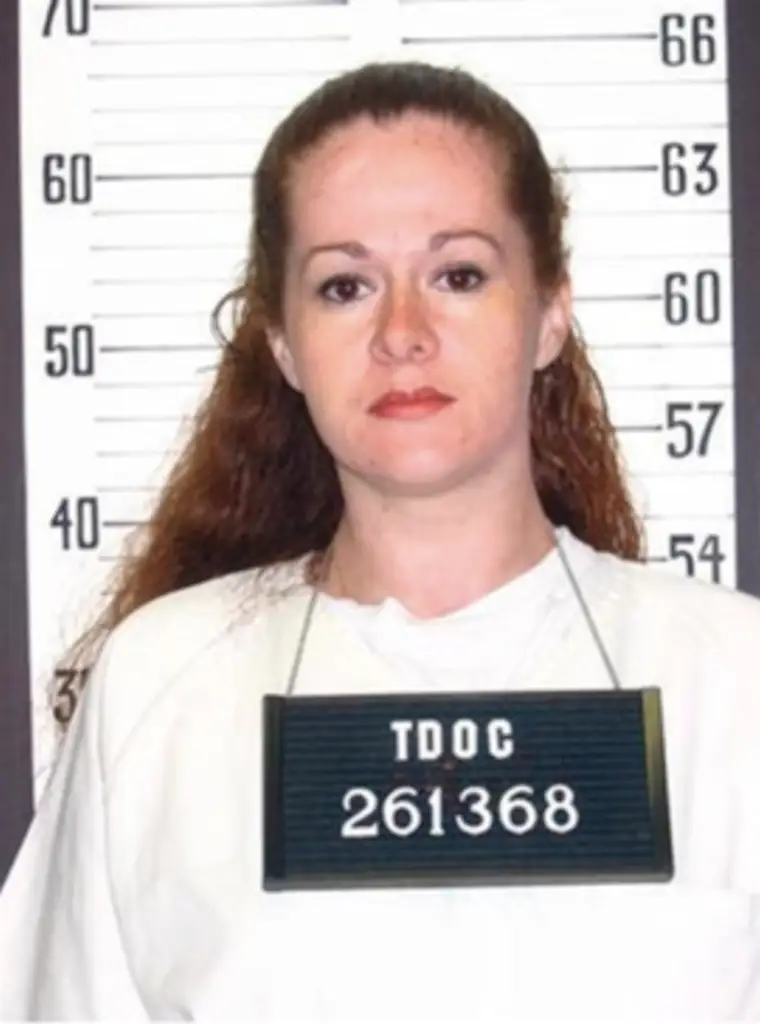
A medical professional has explained why the lethal injection failed to work on Christa Gail Pike on Wednesday (September 30).
She was set to become the first woman in over 200 years to be executed in Tennessee, but two attempts to administer the lethal injection failed to end her life.
The 50-year-old was convicted 30 years ago after killing fellow Job Corps student Colleen Slemmer.
According to Pike's attorneys, she is being treated in a hospital, while a spokesperson for the Tennessee Department of Corrections confirmed she was ’transported to an off-site medical facility’.
While she was granted a stay of execution an hour before she was initially due to be put to death at 10AM, the decision was overturned later in the day by the Supreme Court, and she was strapped to a gurney that evening.
Both attempts were unsuccessful, with the mother of Pike's victim calling the procedure 'a mess', while one media witness admitted that 'none of it was normal'.
Now, an expert has explained why the method didn't kill Pike, and could leave her in hospital for some time.
Anesthesiologist explains botched lethal injections
The lethal injection used, pentobarbital, works by sending the victim into unconsciousness - so why didn't it work?
Dr. Daniel Medel, the anesthesiologist behind the YouTube account Danesthesia, explained: "Several botched executions highlighted how fragile these protocols can really be."
He recalled that death row inmate Clayton Lockett was set to be put to death in April 2014 after the 1999 kidnapping, rape, and murder of a 19-year-old woman.
"During the execution, the IV line failed, causing the drugs to be improperly administered. Lockett writhed in pain and finally died 43 minutes after the first drug was given," he explained.
"Investigations later revealed critical failures in IV placement, poor staff training, and breakdowns and protocol, turning the execution into a torture session."
But this wasn't the only previous instance, with inmate Dennis Maguire being given the two-drug combination of midazolam and hydromorphone.
He would gasp and snort for 10-15 minutes before being pronounced dead, with debates raging over 'whether the drugs could reliably induce a painless death and raised serious questions about the ethics of experimental execution methods.'
Joseph Wood, another death row inmate who, in July 2014, was put to death with midazolam and hydromorphone, which 'took nearly two hours and required 15 doses of the same two drugs.'
Similar to these cases, Pike's injections did not kill her, with witnesses noting that she snored and even looked around at one point.
Dr. Medel added: "Each of these cases revealed the same problem. When IV access, training, or drug preparation fail, the outcome isn't quiet or quick.
"It's unpredictable and often visibly painful."
Christa Pike's last words
Before being given two doses of the lethal injection, it was reported that Pike delivered her intended final words before singing a song.
According to FOX 5, the curtains to the execution chamber opened at 7.27PM, where Pike was strapped to a gurney with an IV line in her arm, through which she was given the lethal injection containing pentobarbital.
Pike then delivered her last words, saying: "I just want to say that I'm going to leave this world the way I spent most of my life, and that is with love.
"I'm at peace, and I'm ready to go," before singing 'I Love You So Much' with a male spiritual advisor, who patted her head.
It was reported that after both syringes were administered, she had 'not lost consciousness and still has a heartbeat,' and was 'audibly snoring'.