


US5 min(s) read
Christa Pike's lawyers reveal health consequence she's suffering from since surviving 2 lethal injections
.webp_lli6Ty?tr=cr-74.9.445.380,f-webp,q-70,w-100)
Christa Pike's lawyers have shared a further update on her health after she survived two lethal injections during an execution attempt.
As previously reported, Pike, now 50, was due to be executed on September 30 after spending 30 years on death row for a murder she committed as a teenager.
Pike admitted to killing her Job Corps classmate, 19-year-old Colleen Slemmer, in 1995 after fearing that she was interested in her then-boyfriend, Tadaryl Shipp, 17.
Pike, who was 18 at the time, lured Slemmer to a secluded location where she and Shipp tortured and beat her, before she was killed after a large piece of asphalt was dropped on her head.
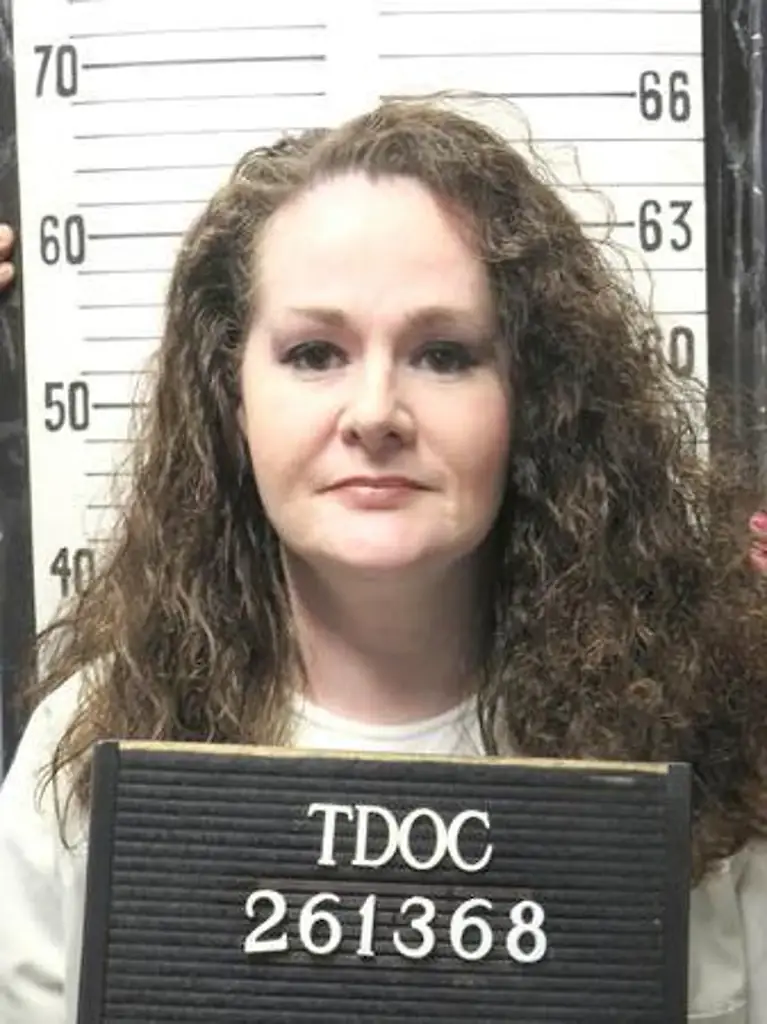
Shipp carved a pentagram into Slemmer's chest, while Pike took a piece of Slemmer's skull as a trophy, which she later showed off around the school.
Pike was sentenced to death, while Shipp - who was under 18 at the time of the crime - was sentenced to life in prison without parole. Another friend, Shadolla Peterson, who acted as a lookout, received six years of probation.
After 30 years on death row, Pike's execution was attempted on September 30, after she and her lawyers had mounted several unsuccessful appeals on the basis that the lethal injection could cause undue suffering for her.
When it came to her receiving the lethal injection, it took several attempts for an IV line to be placed in her arm, with witnesses reporting that seven needles were used, including one which came out of her arm "bent".
She was given two doses of pentobarbital, designed to end her life, but both failed to kill her, which meant she was then rushed to hospital for life-saving measures.
Pike remained unconscious for several days after the botched execution but ended up coming round, with her lawyers saying she was able to speak and even stand up.
Her legal team has shared further updates on Pike's condition after surviving the lethal injection, revealing that she is facing "cognitive challenges" and "profound psychological trauma" after the botched execution.
They said in a statement, per the New York Post: "While her physical recovery has been remarkable, significant questions remain about the long-term effects of what she endured.
"Christa is dealing with the profound psychological trauma of having survived a failed execution, including the terror, pain and uncertainty of believing she was about to die.
"Christa also continues to experience cognitive challenges with concentration and memory."

Pike, who was set to be the first woman executed by the state of Tennessee in over 200 years, had appealed against being put to death by the lethal injection after fearing it could cause an excessively painful death.
In an audio recording obtained by The New York Times and shared by her attorneys, Pike referenced Tony Carruthers, a fellow Tennessee death row inmate whose execution was called off in May after executioners could not set up an intravenous line.
She noted that Carruthers lived out her worst nightmare, detail for detail, due to similar issues with finding usable veins.
In the released audio, Pike voiced intense anxiety about the chemical reactions expected from the injection process, saying: "The concerns I have on our lethal injection method are simply that I do not have good veins, and I'm worried about our physician not being qualified to start a central line on me.
"If that happens because - he wasn’t able to on Tony Carruthers. Tony Carruthers lived out my worst nightmare. Detail for detail.
"And so that sounds scary to me because they used the word Drano in speaking about this drug, and the thought of suffocating and drowning on my own bodily fluid and blood isn’t very appealing to me," Pike said in the recording.
During the execution attempt itself, Pike had complained about pain at the IV site, telling those administering the drug: "My arm feels like it's about to burst open."
After two doses of pentobarbital, witnesses said that Pike could still be heard snoring in the chamber, where she was tied to a gurney.
After she woke up in hospital days after the failed attempt, her lawyers revealed that she'd shown signs of positive physical recovery, with her arms - which had been significantly injured - beginning to heal and regain movement.
They added in the statement: "Her lungs are clear, and she has started to eat a regular diet. Physicians are encouraged by her physical recovery."
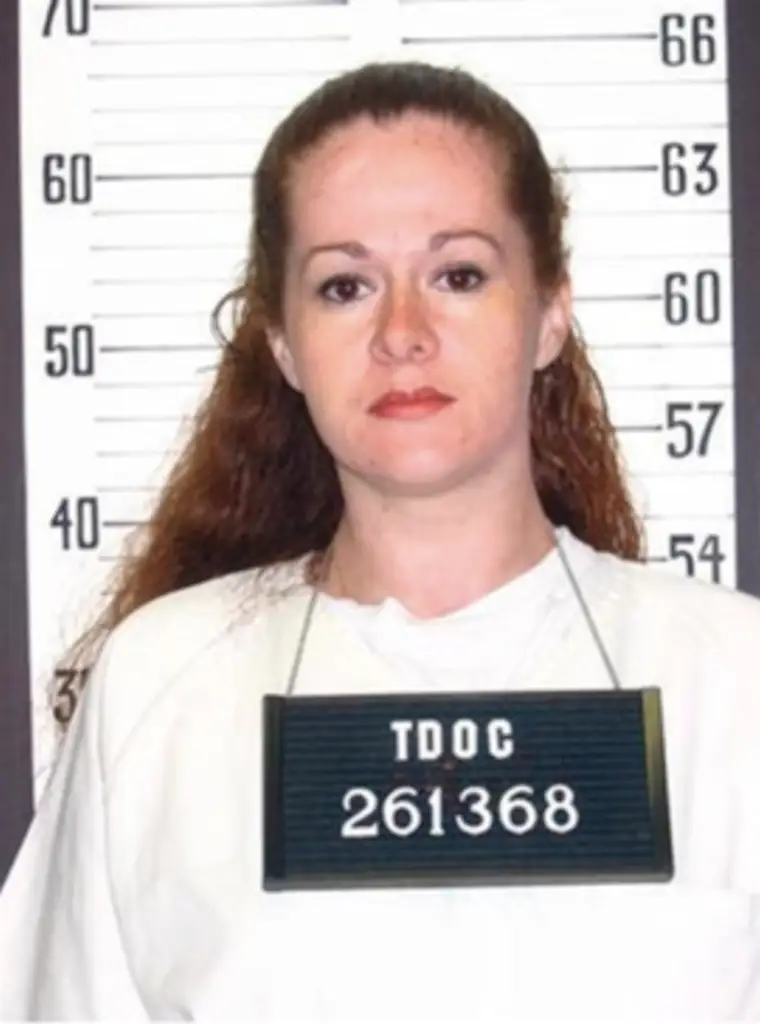
Pike's long-term prognosis remains unclear as she is believed to be the first person to ever have survived the lethal injection, with Tennessee Governor Bill Lee pausing all remaining executions this year, as well as an independent review into what went wrong.
Pike's lawyers also called for Gov. Lee to commute Pike's sentence to life in prison without the possibility of parole, arguing: "She should never be subjected to another execution attempt."