


US4 min(s) read
Could Christa Pike be set free if she ever wakes up after botched execution?
.webp_SmgFsc?tr=cr-292.0.1244.952,f-webp,q-70,w-100)
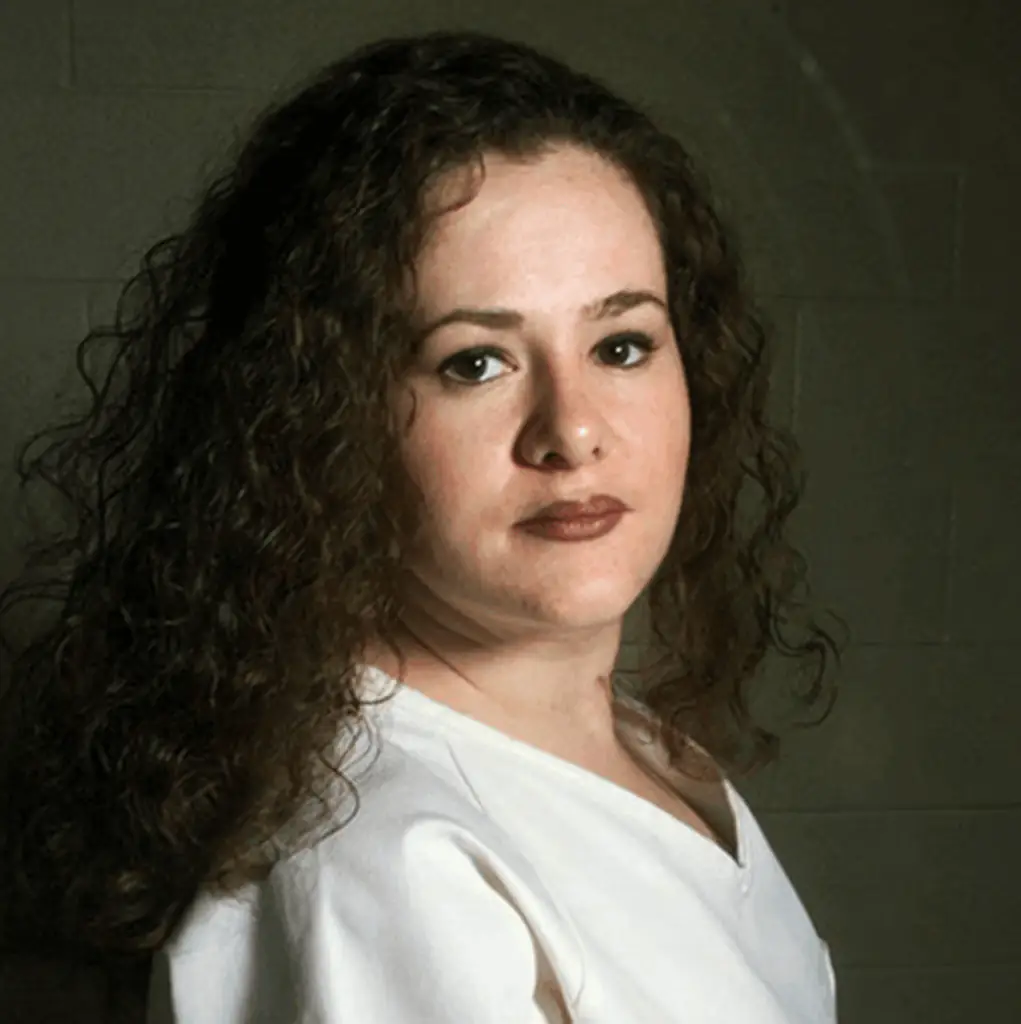
Death row prisoner Christa Pike is unconscious and on a ventilator in a hospital after two failed execution attempts in Tennessee, her lawyers said.
Hospital staff were working to save her life and clear two doses of the drug the state uses to execute prisoners.
In a court filing, her legal team said problems with the IV lines caused the lethal drug pentobarbital to go into her body instead of her bloodstream.
The harrowing nature of the failed procedure quickly sparked widespread curiosity and debate on social media across the globe.
Instead of "remedying this failure", they prepared and administered a backup set of pentobarbital syringes. The execution team worked for an hour to administer the lethal drugs, said Pike's defense lawyer Randy Spivey, who counted at least seven needles in her left arm.
She was still snoring when the execution chamber's microphone was cut off more than an hour into the execution attempt.
"Preserving this evidence is essential to understanding what happened, ensuring accountability and protecting Christa's legal rights," two of her lawyers said in a statement.
Tennessee Governor Bill Lee ordered a review of the state's execution procedures and indefinitely postponed Pike's execution and another one slated for this year.
Maya Martinez, the mother of Colleen, expressed frustration over the failed execution, saying on Thursday: "I didn't get justice for my daughter."
Pike was convicted of killing her 19-year-old classmate Colleen Slemmer in 1995, when she was 18.
Following the killing, Pike was diagnosed with bipolar disorder and post-traumatic stress disorder, her lawyers said. She had been scheduled to be the first woman executed in Tennessee in more than two centuries.
Legal status of criminal convictions after surviving lethal injection
In recent days, people have been questioning the legal ramifications of surviving an execution.
One person took to X to ask: "What would happen if Christa Pike doesn't die from her two lethal injections? Could she be set free?" And there were similar posts from other users on the platform.
In response to those wondering whether Pike could walk free if she wakes up and makes a full medical recovery, the short answer is no.
Under American legal standards, a botched execution attempt does not erase a prisoner's underlying criminal conviction or automatically release them from state custody. Pike remains a convicted murderer serving a capital sentence under Tennessee law.
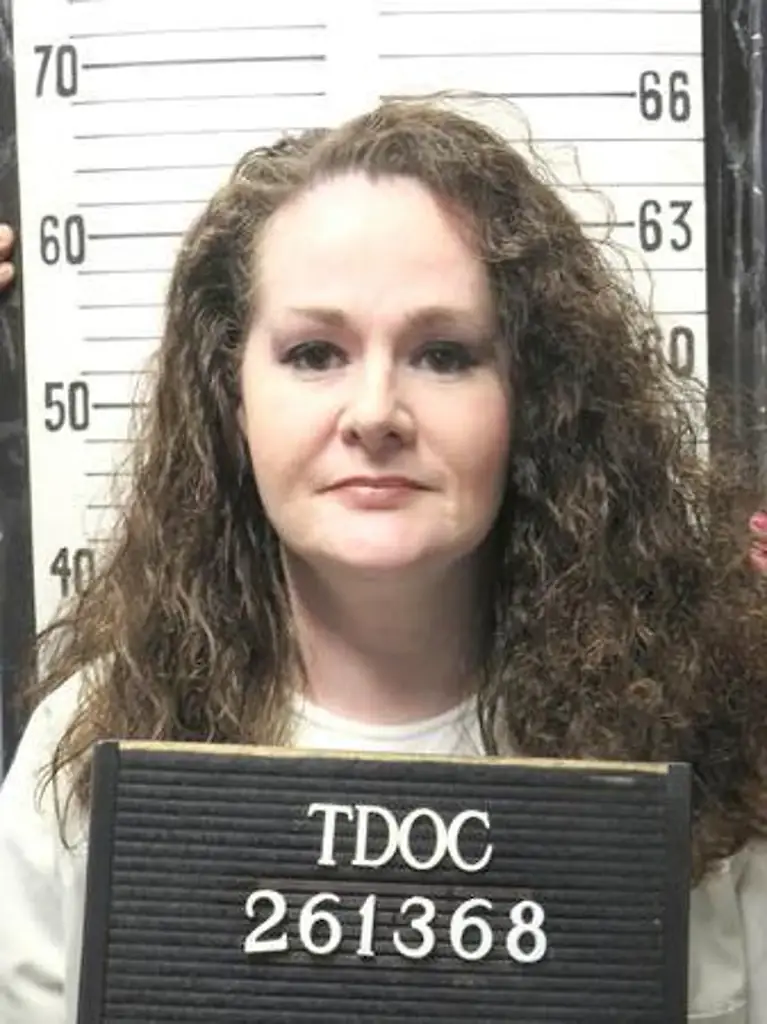
Even if her legal team successfully argues that the state can no longer legally attempt to execute her, her status as a prisoner does not vanish.
If the state is barred or decides against pursuing another lethal injection, her sentence would simply shift from capital punishment to life imprisonment without the possibility of parole. Freedom or complete release from incarceration is not a legal outcome under these circumstances.
Constitutional precedents on subsequent execution attempts
Under United States constitutional law, a state is generally not prohibited from scheduling a second execution after a failed or botched initial attempt.
The primary Supreme Court decision on this issue dates back to Francis v. Resweber in 1947. In that case, the court ruled that carrying out a second execution attempt after an electric chair malfunction did not violate the Eighth Amendment prohibition against cruel and unusual punishment.
Recent legal history supports this stance. In multiple contemporary cases where death row inmates survived initial execution attempts due to IV insertion issues or protocol failures, the prisoners remained incarcerated on death row rather than being set free.
In some instances, states revised their protocols and carried out the execution at a later date, while in other cases, legal battles resulted in prolonged delays or commutations to life sentences.
Available legal avenues for defense attorneys
While freedom is off the table, surviving a traumatic, failed execution attempt provides Pike's defense team with strong arguments for constitutional appeals.
Her lawyers can file federal and state motions claiming that subjecting her to a second attempt after she suffered significant physical trauma and severe injuries to both her arms constitutes cruel and unusual punishment.
Her legal team can also petition Tennessee officials for executive clemency or a commutation of her sentence. Governors hold the authority to commute a death sentence down to life in prison without parole on humanitarian grounds or due to state protocol failures.
Whether Tennessee chooses to pursue a new execution date once its internal review is complete or agrees to commute her sentence, Christa Pike will remain behind bars for the rest of her life.