ADVERT
US3 min(s) read
Published 12:10 29 Jul 2026 GMT
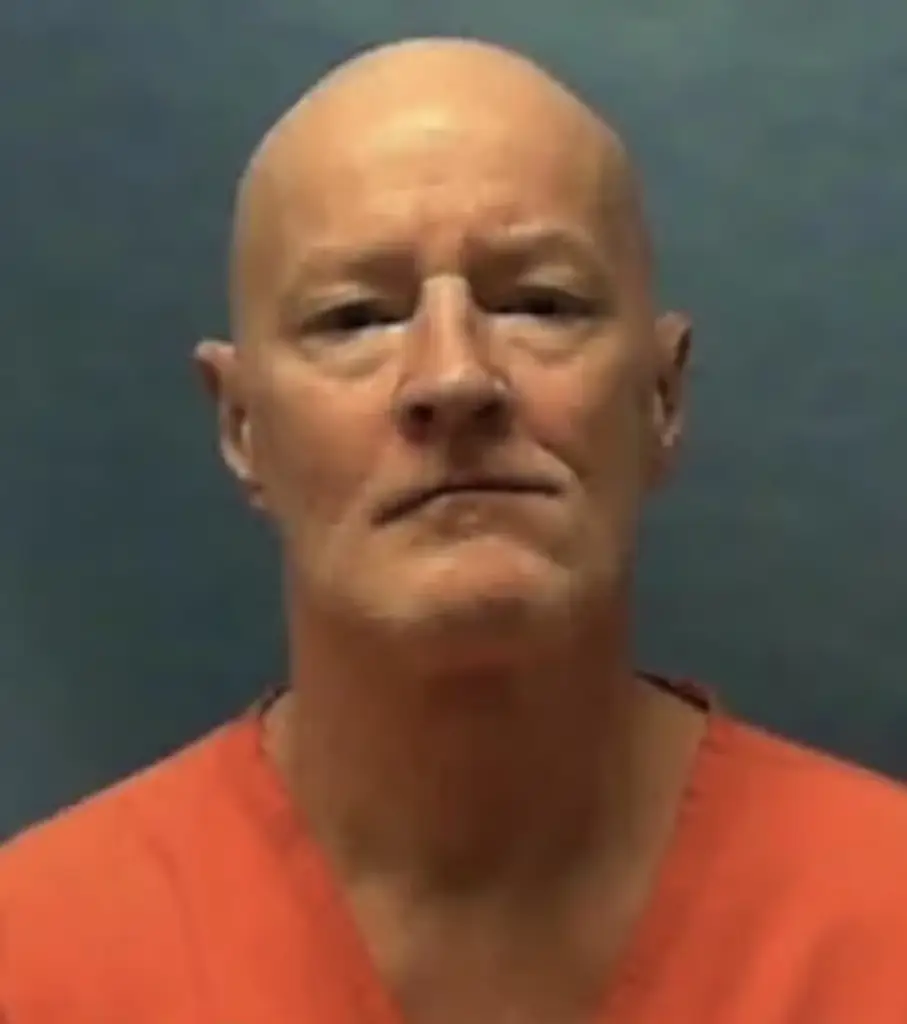
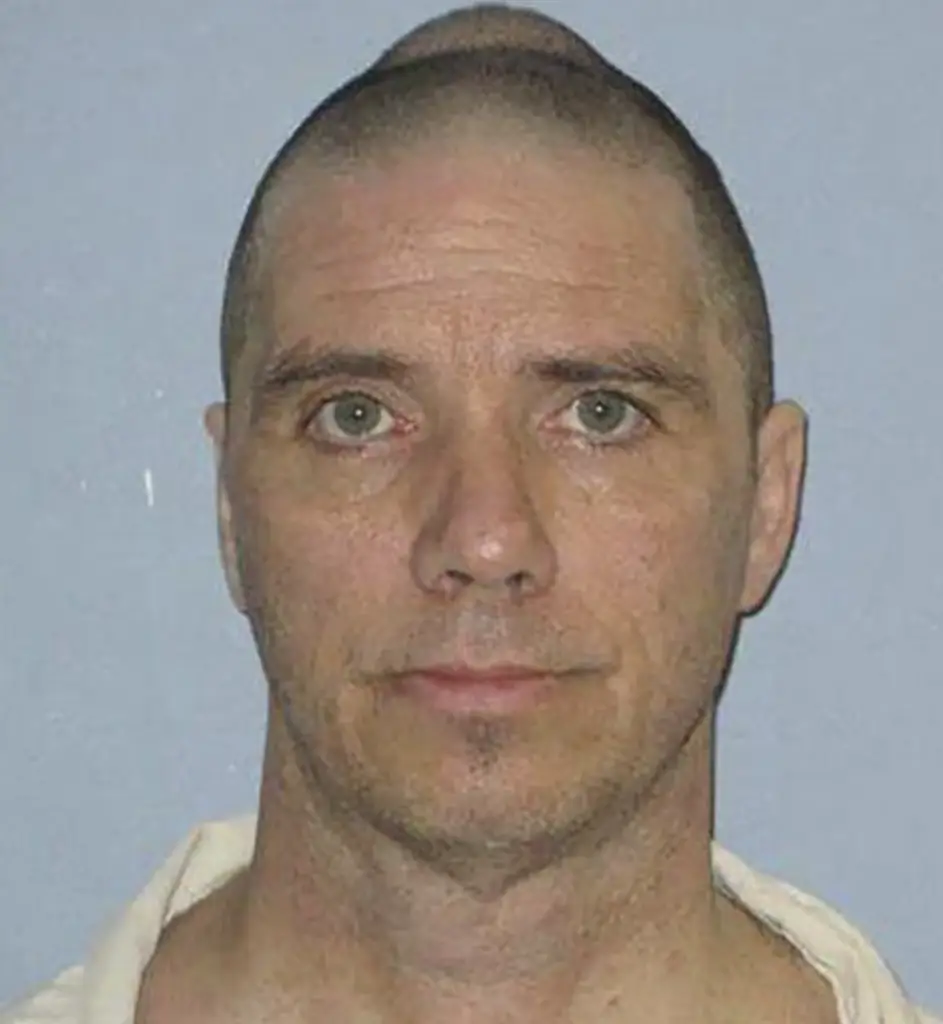
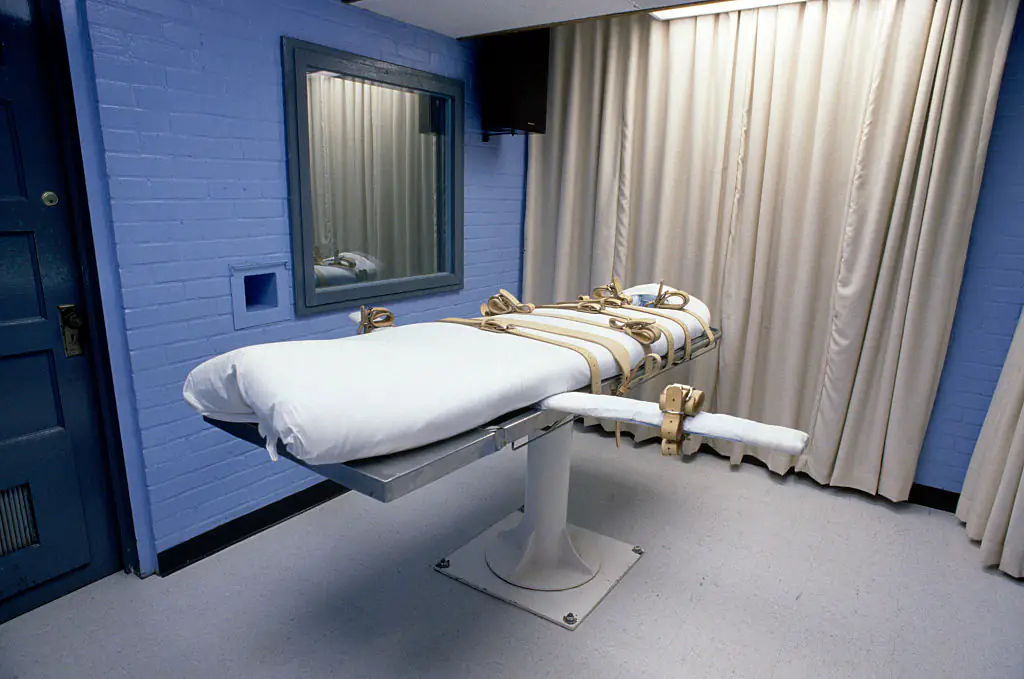
Dominick Occhicone, a death row inmate who spent almost 40 years behind bars, had some choice words before being given the lethal injection at Florida State Prison.
The US state held the nation's first double execution since 2017, while making Occhicone the oldest Florida inmate to be put to death.
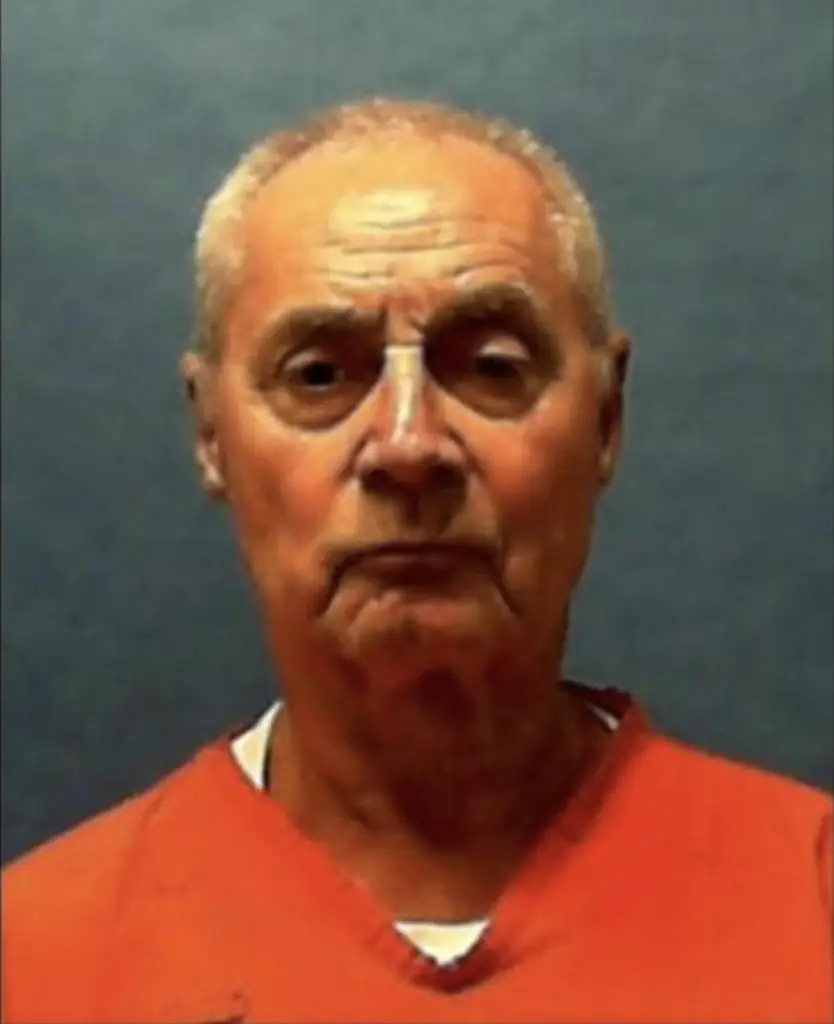
He was put to death alongside an ex-police officer, who spent 38 years on death row.
Occhicone, 80, was convicted of killing his ex-girlfriend's parents in 1986, as reported by the New York Post.
The death row inmate would be pronounced dead at 6:13 PM at the prison, becoming the second oldest inmate in modern US history to be executed, after 83-year-old Walter Moody Jr. in Alabama in 2018.
But prior to his death, he had one final message.
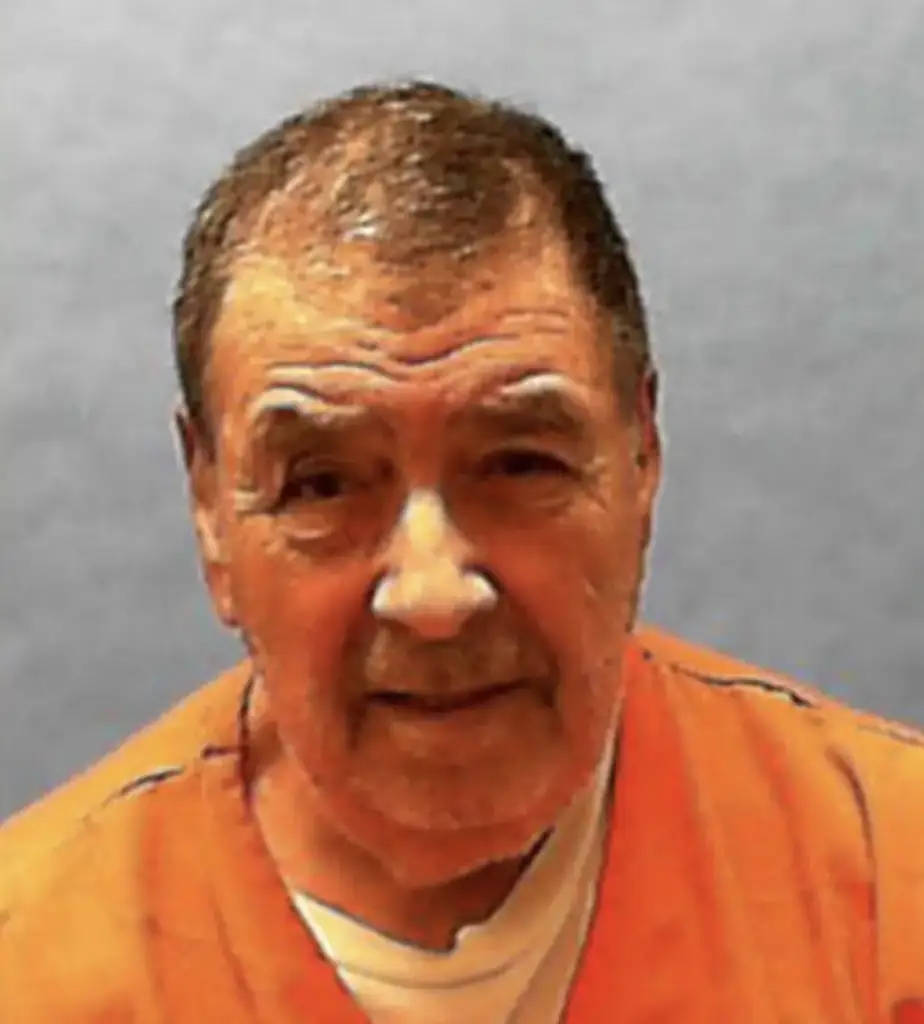
Occhicone's final meal included an aubergine Parmesan salad, cornbread and soda, before he was given a three-drug lethal injection to end his life.
He chose for his final words to be an apology for his crimes, as he was asked if he wanted to make a statement, saying: “I know it don’t mean much, but I’m sorry.
“I never meant to do what I did.”
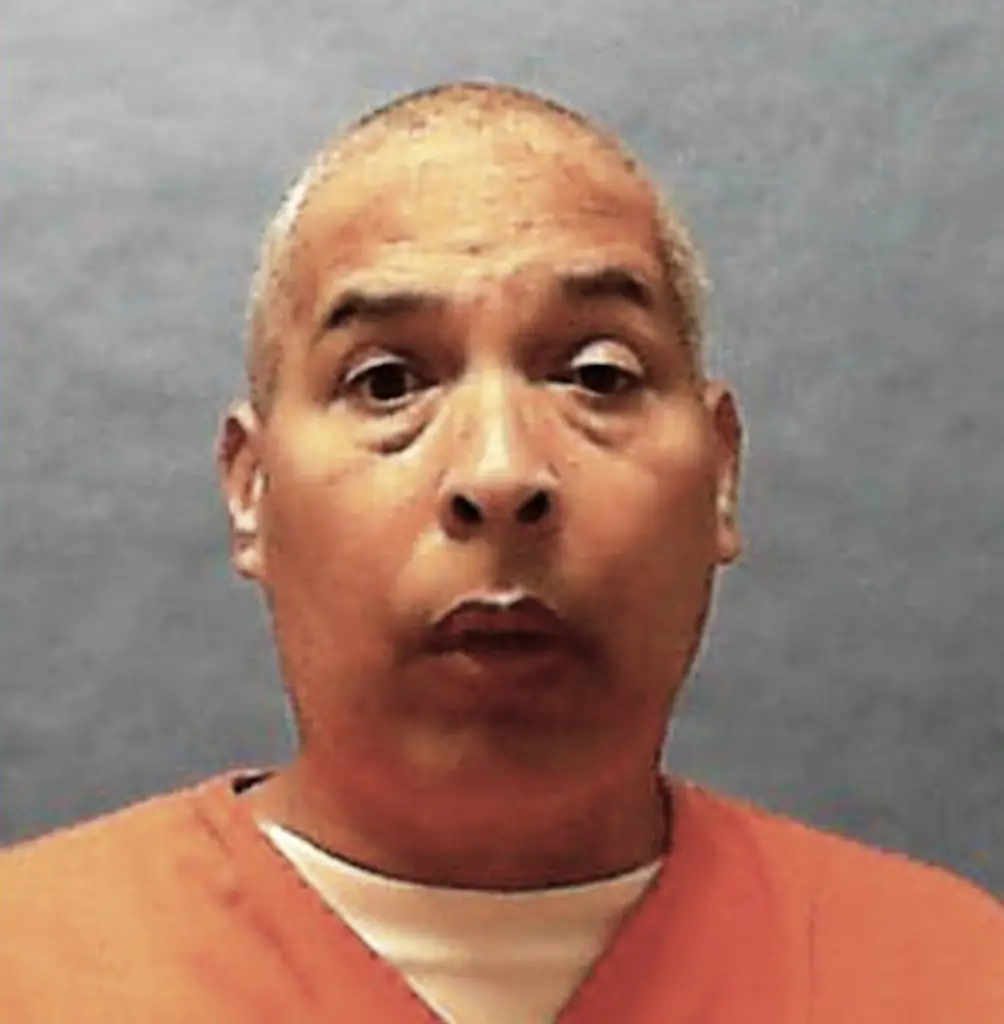
The octogenarian was the second inmate to be put to death in the state that day, as former police officer James Duckett, 68, was also given a lethal injection and died at 1:19 PM.
This was the first double execution in the US since April 2017 in Arkansas, while the last in Florida came in 1964.
Duckett was convicted of raping and drowning an 11-year-old girl in 1987, but when he was asked if he wanted to give a statement, he had a different response.
"No, sir," he replied.
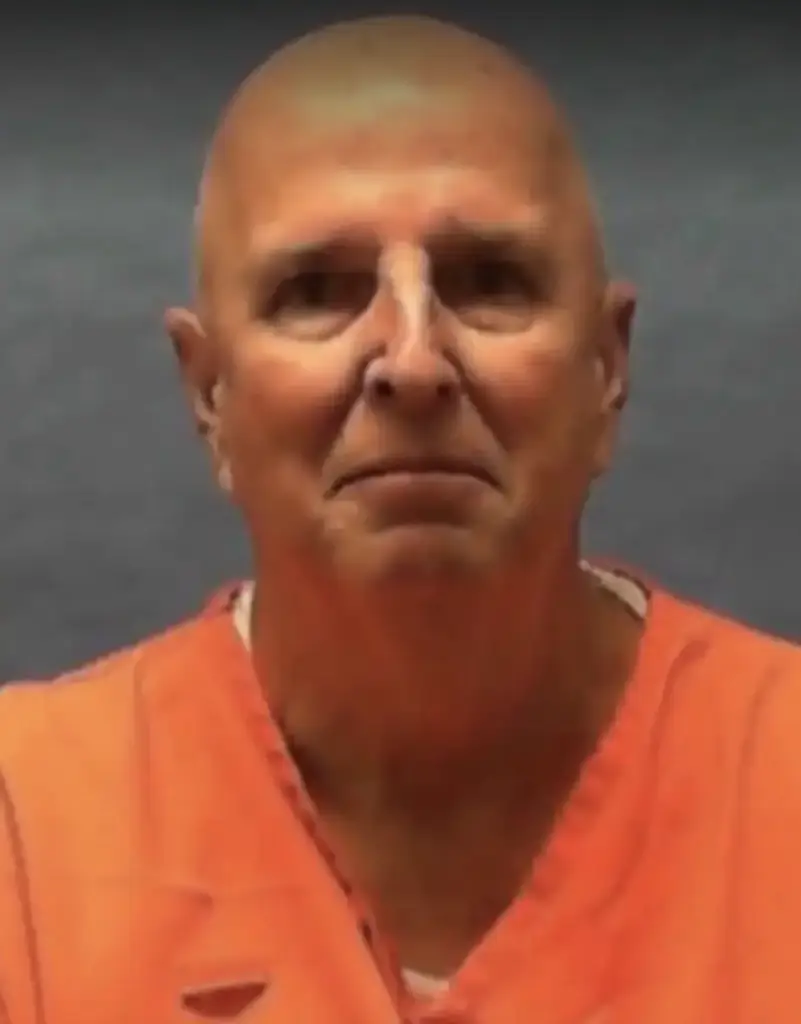
The 80-year-old was sentenced to death for the murders of his ex-girlfriend's parents.
Raymond and Martha Artzner were found dead at a home in Holiday, north of Clearwater, on June 10, 1986.
Occhicone's former partner, Anita Gerrety, was living at the house with her parents as two children refused to speak to him when he went to the house.
Reports state that he came back with a handgun, cut the phone lines and shot the parents as Gerrety fled with her daughter.
His lawyers originally argued that the murders were not premeditated, later claiming that the death penalty was a "cruel and unusual punishment" due to his age.
But Duckett was put on death row for something he did on duty in Mascotte, near Orlando, on May 11, 1987.
Witnesses said he picked up victim Terasa McAbee in his patrol car before she was reported missing by her mom.
The following morning, her body was found in a lake, with DNA from her body found to be a match with Duckett, while her fingerprints were also found on the car.
Shockingly, Duckett was also a suspect in the murders of a 22-year-old woman in 1986 and a 14-year-old girl in 1987, though he would not be charged.
He has long maintained his innocence of the murder of the child, remaining critical of how the DNA evidence was handled.
us3 min(s) read
Published 16:14 31 Aug 2024 GMT
Following his arrest in 1994, a convicted killer has uttered just two final words after spending the last 30 years on death row.
Loran Cole has finally had his sentence carried out following the brutal 1994 murder of 18-year-old John Edwards, who was attacked while on a camping trip with his older sister Pam.
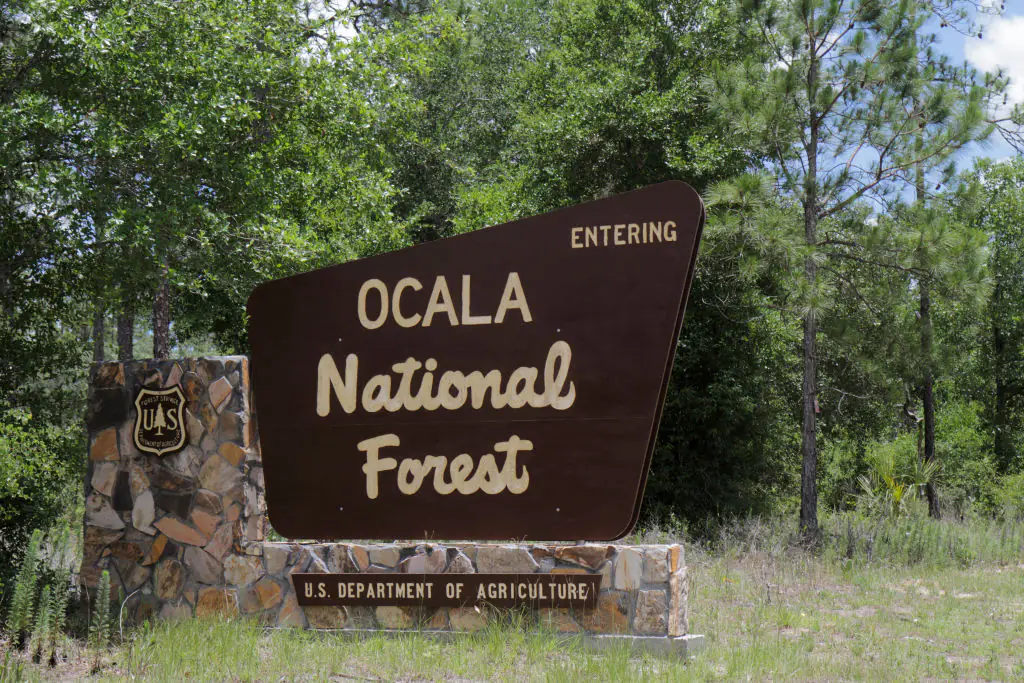
The tragic incident took place in the Ocala National Forest, Florida, when Cole and an accomplice started speaking to the siblings around a campfire, per News.com.au.
After showing the siblings to a nearby pond, the two men beat and killed John, before taking a then-21-year-old Pam back to the campsite, where Cole raped her.
The next morning, Cole assaulted her once again before leaving her tied to a tree.
After Pam broke free, she was able to flag down a driver passing by, and the police were alerted. Officers shortly found John’s body face-down in the woods.
At the subsequent trial, Pam told the jury that her brother's last words were "I'm sorry" - as she had previously told him that she never wanted to go hiking.
Cole and his accomplice were found guilty of first-degree murder, and he was sentenced to death and two life sentences.
The Daily Mail has since reported that Cole was executed by lethal injection at the age of 57 on Thursday at 6:00PM.
Prior to his death, he was joined by his son and a pen pal, where they shared a final meal of pizza, ice cream, and M&Ms.
Moments before his death at Florida State Prison, Cole was given the opportunity to share any final comments if she wished, BBC News reports.
He simply told the guard: "No, sir."
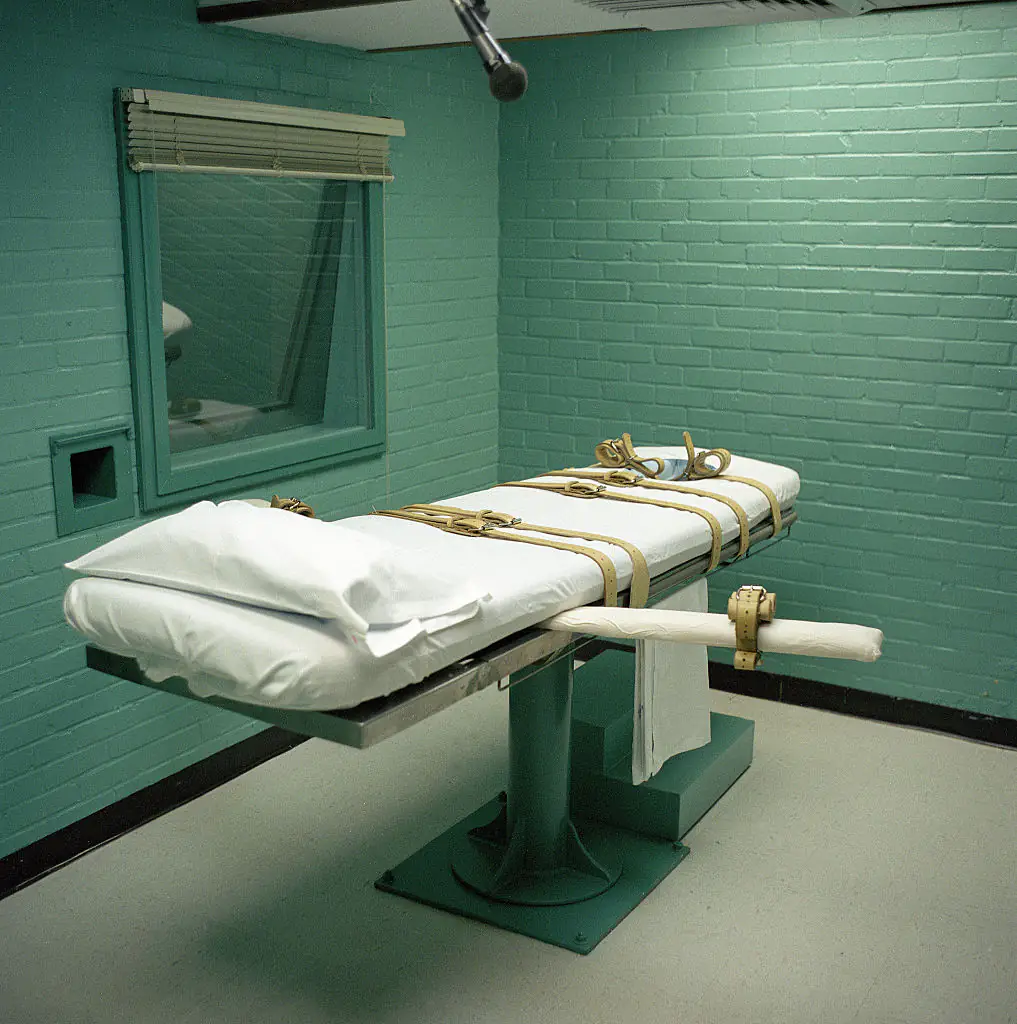
Cole was then strapped to a gurney and administered the three drugs through an IV drip. The first sedated him, the second paralysed him, while the third caused his heart to stop, per News.com.au.
Witnesses say his body "jerked and trembled" as his breathing became labored. He was pronounced dead 12 minutes later.
In a statement from John Edwards' family, they said they were "void of feelings and empathy for Mr. Cole".
"He placed himself into this arena," the statement continued. "We could never sanction a reduction in his sentence. He does not deserve mercy.
“Mr Cole has been granted 30 years of life in Florida State Prison. During those 30 years, he has been free to read books, study, eat proper meals, sleep in a bed, get medical care, bathe and exercise, receive visitors and to simply exist.
"This is something he brutally took from our son — life. That cannot be undone."
John and Pam's parents did not attend the execution.
us news3 min(s) read
Published 14:46 17 Jul 2025 GMT
A Florida man convicted of killing five people, including his wife and two young children, shared a final message before he was executed by lethal injection on Tuesday evening.
Michael Bernard Bell, 54, was pronounced dead at 6:25PM at Florida State Prison in Raiford, according to a statement from Governor Ron DeSantis’ office. Bell was sentenced to death for a 1993 double murder, and was later convicted of three additional homicides from 1989, The Guardian reports.
Witnesses said Bell appeared alert as he entered the execution chamber and was strapped to a gurney. Bell closed his eyes shortly after the injection began and was unresponsive within minutes. Medical personnel confirmed his death 10 minutes later.
Just before the drugs were administered, he reportedly said: “Thank you for not letting me spend the rest of my life in prison,” according to the prison’s team warden, via AP. It was unclear to whom the remark was directed.
According to state officials, Bell declined all visitors except for a spiritual adviser on the day of his execution. His final meal, consumed that morning, included home fries, an omelet, bacon, and orange juice.
Bell was initially sentenced to death in 1995 for the fatal shootings of Jimmy West and Tamecka Smith outside a bar in Orlando.
Prosecutors said Bell believed the vehicle parked outside the lounge belonged to the man who had shot his brother earlier that year. Armed with an AK-47 and accompanied by two others, Bell waited for the vehicle’s occupants to return before opening fire.
West died at the scene, Smith died en route to the hospital, and a third woman survived, ABC News detailed. Bell also fired at bystanders before fleeing. He was arrested in 1994.
While awaiting trial, Bell was also linked to an earlier triple homicide in 1989. In that case, prosecutors said he murdered his estranged wife during a domestic dispute.
Court records state he beat her with a machete and crowbar before strangling her. He then used the machete to kill their children, aged five and seven, per Metro.
The U.S. Supreme Court denied Bell’s final appeal on Tuesday morning, hours before the execution. His legal team had requested a stay, citing concerns over new witness-related evidence. Florida’s Supreme Court had already ruled against the motion last week, stating the evidence against Bell remained overwhelming.
Bell is the 26th person executed in the United States in 2025, surpassing the national total for 2024. His execution marks the eighth carried out in Florida this year; the most of any state so far.
us4 min(s) read
Published 15:54 25 Apr 2025 GMT
A death row inmate made a statement to his victim's family before he was executed using a lethal injection.
James Osgood was put to death Thursday evening at 6:35PM CT, making him the second person executed in Alabama this year and the 14th across the United States, per USA Today.
According to Commissioner John Hamm of the Alabama Department of Corrections, it took the execution team five tries to successfully insert his IV.
His victim was 44-year-old Tracy Lynn Wilemon, a nursing home worker and mother who was rebuilding her life after a divorce.
On October 13, 2010, Osgood and his girlfriend — and Wilemon’s cousin — Tonya Vandyke, sexually assaulted and murdered her in what prosecutors described as a “twisted fantasy.”
Prosecutors said the pair attacked Wilemon in her bedroom. Both Osgood and Vandyke raped her and forced her to perform sex acts. Then, Osgood slashed her throat multiple times before stabbing her in the back.
“I remember seeing the fear in her eyes and seeing her shaking,” Osgood confessed during his police interview. “I know there was a lot of cutting involved but it wasn't a crime of violence. There was no anger involved. I was scared. She wasn't dying, so I kept cutting her throat and neck.”
He claimed he apologized during her final moments: “I told her I was sorry,” he said. “It was nothing against her. She just needed to quit fighting and go.”
Chief Assistant District Attorney C.J. Robinson described the murder to jurors in chilling detail: “A life was taken because James Osgood decided he wanted to fulfill some twisted fantasy to kill someone.” He added, “The same things you heard … that turned your stomach, turned him on.”
Osgood later admitted to a judge that he believed the death penalty was the appropriate sentence for his crime. “I've always been a firm believer in an eye for an eye, tooth for a tooth, life for a life,” he said in 2018. “If you can't do the time, don't do the crime. I screwed up. I deserve what I was given.”
Even in his final moments, Osgood remained blunt. “I’m a firm believer in, like I said in court, an eye for an eye, a tooth for a tooth. I took a life, so mine was forfeited,” he told the Associated Press. “I don’t believe in sitting here and wasting everybody’s time and everybody’s money.
“I’m not going to ask their forgiveness because I know they can’t give it. I regret taking her from them. I regret cutting her life short. I regret that I took one of God’s children. And I regret the pain and suffering that I caused, not only for the victim and her family, but to mine.”
He broke down in tears as the lethal injection took effect, saying simply, “Tracy, I apologize,” before losing consciousness.
Alabama Governor Kay Ivey had a strong response following the execution. “The murder of Tracy Wilemon was premeditated, gruesome and disturbing, and tonight, the state carried out the death sentence of James Osgood.
“Both Mr. Osgood and his accomplice, who will never see the light of day, from the moment they were inspired by a Hollywood torture scene, set out to commit this heinous crime against Ms. Wilemon and are now paying the price.
“And let’s be clear: At the end of all of this, Mr. Osgood robbed Ms. Wilemon of her life, something that can never be reversed for her or her family. I pray that her loved ones can feel some sense of closure today.”
Vandyke, who helped commit the crime, is currently serving a life sentence in federal prison.
us3 min(s) read
Published 14:47 14 Jul 2026 GMT
An inmate in Florida who has been on death row since the 1980s is set to face a strict rule relating to his final meal.
Dennis Sochor, 74, is set to be put to death today (July 14) after spending almost 40 years on death row, making him the oldest inmate to be executed in the state.
The convicted murderer is set to be given the lethal injection - a combination of three drugs to end his life - with the process scheduled to begin at around 6PM this evening (July 14).
While death row inmates are traditionally allowed to choose a last meal - within reason - Florida employs strict rules around what they can have.
The state employs a strict $40 budget, which was first implemented in 1979, meaning that a limitless banquet of fine foods is definitely off the cards.
As well as having to cost $40 or less, the Florida Department of Corrections also has other strict conditions for what a prisoner can ask for.
The meal must be made up of ingredients that can be purchased from local stores, and fast food orders are not allowed.
Sochor has been on death row since the 80s after being convicted of killing a young woman on January 1, 1982, just hours after they'd met at a New Year's Eve party.
Patty Gifford, 18, had visited the popular Banana Boat bar in South Florida with a friend to ring in the New Year, when she was approached by Sochor and his brother.
They spent several hours talking together, before Gifford's friend started feeling ill and went to sleep in her car.
Gifford then left the party with Sochor and his brother, having planned to go and get food together, however, the men did not go to a restaurant but instead stopped their truck in a remote location.
According to reports, Sochor attacked Gifford after she refused to have sex with him, raped her, and ended her life.
It took until May 1986 for Sochor to be arrested, four years after the horrific crime, and he has still refused to reveal where he placed her body as he attempted to conceal the crime, per the Miami Herald.
Broward County Sheriff's Lt. Mark Schlein told the South Florida Sun Sentinel in 1983: "The only mistake she made was going out with friends and celebrating New Year's Eve.
"She was a young and beautiful girl, with everything to live for, it's a real tragedy."
Sochor has argued in his appeals that the state has no evidence Gifford is dead as her body has never been found, a defense that the court has repeatedly rejected.
The victim's mother, Marilyn Gifford, told the outlet in 1983: "It's bad enough what he did to her.
"But he's had all this time to repent, to think about what he did, so why not give her back?"
Lead prosecutor Kelly Hancock, who has since retired but plans to attend the execution, told the Miami Herald: "I do not remember all the facts. But I do remember the victims, and the victims’ families.
"He just dumped her out there like trash. That makes it worse."
Gifford's mother told the outlet in 1987: "He had no pity on Patty, and we have no pity on him. I hope when he takes his last breath, he thinks of her taking her last breath."
us3 min(s) read
Published 16:29 30 Jun 2026 GMT
The first prison inmate to be executed after Florida reinstated the death penalty in 1979 was granted one forbidden luxury that caused such backlash that the death row rules had to be reevaluated.
Following the brutal 1973 murder of Joseph Szymankiewicz in a motel room by John Spenkelink, 30, the killer was sentenced to death.
Spenkelink shot the victim twice and beat his head with a hatchet after the man allegedly forced him at gunpoint to perform a sexual act and play Russian roulette.
However, while Spenkelink awaited his frightful fate on death row at Florida State Prison, guards quickly realised that no one knew how to operate the execution chair as no one had been killed by the state in Florida for 15 years.
Assistant superintendent of Florida State Prison, Richard Dugger, told the Ledger: ''We had to start from scratch and rely on people's memories.''
As the end of Spenkelink’s days grew closer, prison superintendent Dave Brierton had to find a way to calm the understandably erratic prisoner.
The superintendent said: "It was a very difficult time for Spenkelink. It was a very difficult time for me. It was the loss of a human life."
With hopes of taking “the edge off,” Brierton offered the inmate a bottle of Jack Daniel's.
Dugger told UPI: "It seemed like a way to maybe calm the fellow down before he was supposed to go to the chair.
"We talked about tranquillizers, but we didn't feel drugs were appropriate. Maybe you would say alcohol is a drug, I don't know.
"We asked Spenkelink if he wanted a drink, and he said, 'Sure.'"
After the public found out about the last luxury the murderer was offered, they were outraged, arguing that such heinous villains did not deserve such a privilege, and shortly after, the State of Florida's last meal provisions were revised to exclude alcohol.
The last death row prisoner before Spenkelink to be given the luxury of a “nip of brandy” was Manuel Fernandez in 1835. He was also granted a few tokes on a cigar as he took his last breaths.
In 2011, Lawrence Russell Brewer, who was incarcerated over a racially motivated murder, ordered such a massive amount of food that it ultimately led to the prison scrapping the last meal tradition entirely.
The convicted murderer notoriously requested: two chicken fried steaks smothered in gravy with sliced onions; a triple bacon cheeseburger with fixings on the side; a cheese omelette with ground beef, tomatoes, onions, peppers and jalapenos; a large bowl of fried okra with ketchup; one pound of barbecue meat with half a loaf of white bread; three fajitas with all the trimmings; a Meat Lovers pizza; one pint of vanilla ice cream; a slab of peanut butter fudge; and three root beers.
But what really rubbed law officials up the wrong way was that they obliged the request, all for Brewer to refuse to eat a single bite.
Outraged by the waste and the manipulation of the system, Texas Senator John Whitmire pressured the Texas Department of Criminal Justice to end the traditional "last meal" privilege.