


US2 min(s) read
Expert spots split-second decision ICE agent Jonathan Ross made moments before Renee Good was shot dead
.webp_SmgFsc?tr=cr-292.0.1244.952,f-webp,q-70,w-100)
The tragic incident that led to the death of Renee Nicole Good has sparked intense scrutiny, especially regarding the actions of ICE agent Jonathan Ross.
In a recent video posted on his YouTube channel, Dr. John Paul Garrison, a clinical and forensic psychologist, breaks down the fatal shooting, focusing on the split-second decisions Ross made in a high-stress situation.
Dr. Garrison, known for his insightful analysis of human behavior in critical situations, examines the moments leading up to the shooting. In his video, he focuses on the speed at which Ross responded to the perceived threat, raising questions about the automatic nature of his actions.
Dr. Garrison explains the rapid decision-making process
In the video, Dr. Garrison explains how quickly Ross reacted as soon as the car driven by Good accelerated. “As soon as she starts accelerating, I’m talking about within one frame, he’s already drawn his gun,” he notes, illustrating the urgency with which Ross responded.
Dr. Garrison highlights the rapid pace of the situation, where Ross’ actions unfolded almost instantaneously. Within moments, the agent had his hand on his weapon, with the gun already pointed forward in preparation to discharge it.
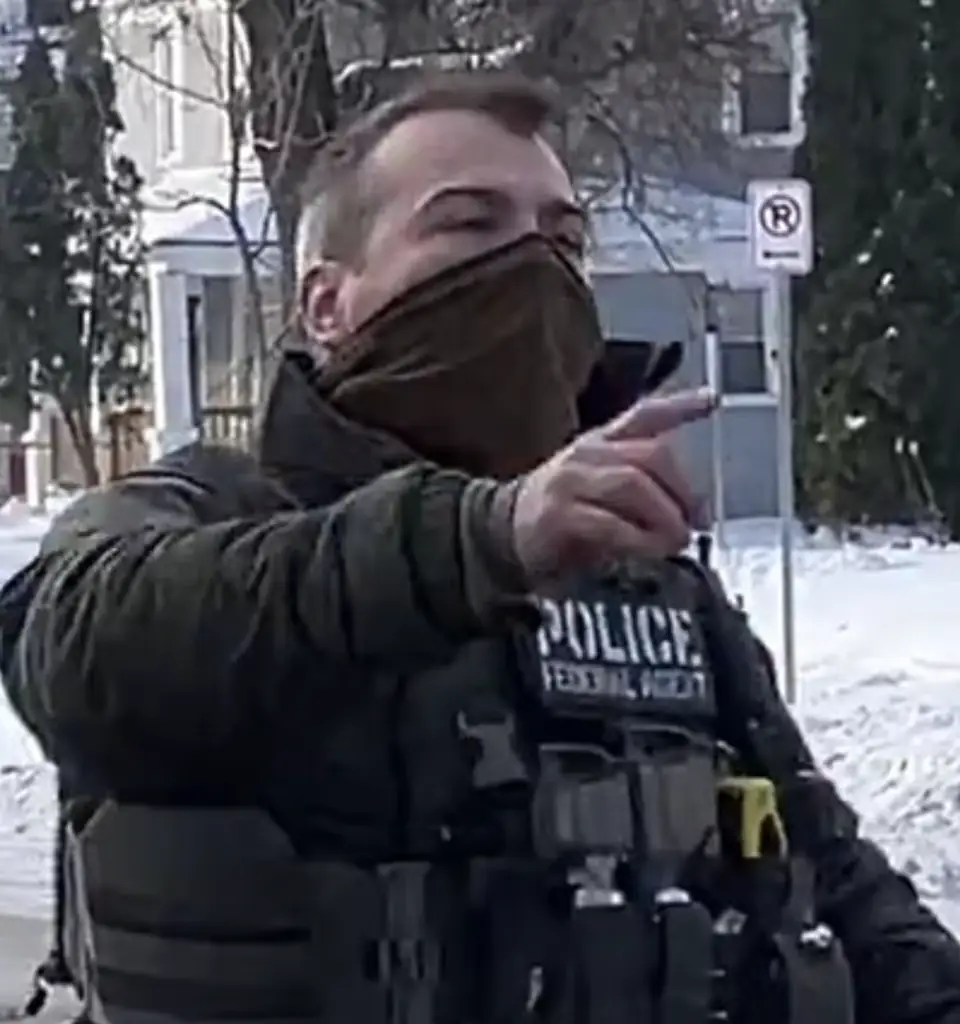
The psychologist goes on to explain how Ross’ actions seem automatic, suggesting that his response was not fully thought through in the moment.
“This would be an unusual thing for a law enforcement officer to do,” Dr. Garrison says, referring to the fact that Ross discharged his weapon with another agent dangerously close to him.
According to Dr. Garrison, this quick, almost reflexive behavior points to the urgency and intensity of the situation, though it does not imply that Ross made the right decision.

Reaction and potential consequences
Dr. Garrison says that while Ross’ response was swift, it may have been a result of what he perceived as an imminent threat to his life. “Based on everything we’re seeing here and based on how quickly he reacted, I do believe that he thought that his life was in danger,” Dr. Garrison states, providing a psychological perspective on the agent’s mindset at the time.
However, the expert stresses that this does not necessarily mean that Ross’ actions were justified. Instead, Dr. Garrison is focused on explaining how the human mind can react under intense pressure, especially when split-second decisions are involved.