


US4 min(s) read
Ex-pilot and aviation expert reveals the terrifying consequences had the FAA not grounded all US flights

An ex-pilot and aviation expert has issued a warning of the terrifying consequences had aircraft continued taking off after the Federal Aviation Administration (FAA) imposed a nationwide ground stop.
The unprecedented disruption saw hundreds of flights diverted and forced to land after the FAA ordered a nationwide halt to departures on Friday afternoon, citing “extraordinary circumstances” caused by communications problems at regional air traffic control centers.
The ground stop was eventually lifted on Friday evening, allowing departures to resume, although airports warned passengers to expect continued delays and cancellations.
However, the disruption was not simply a case of passengers being left stranded, with officials revealing that the ageing technology underpinning America's air traffic control system had been overwhelmed by the new AI-driven technology recently introduced to some systems.
Authorities reveal reason for ground stop
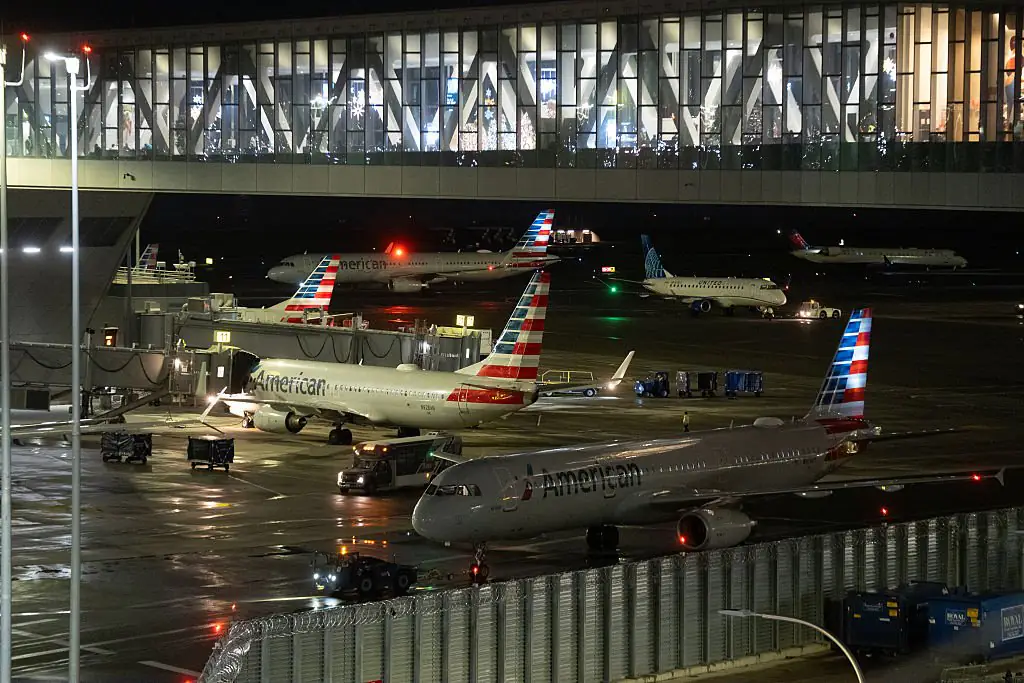
US Secretary of Homeland Security Markwayne Mullin said the introduction of new technology into the outdated infrastructure had caused the system to overload, with a complete overhaul potentially costing around $50 billion.
Despite the scale of the disruption, Mullin insisted that passenger safety had not been compromised.
“There was never any lives at risk,” he claimed. “There was no flights at risk. FAA was able to handle it. We did it out of an abundance of caution.”
He also sought to dismiss conspiracy theories surrounding the incident, saying: “I do understand the internet traffic, and where all these conspiracies are running towards.”
Transportation Secretary Sean Duffy described the country's air traffic control infrastructure as “incredibly old”, explaining that the system still relies on outdated technology which had become overwhelmed with data.
“This is an emergency,” he said, calling on Congress to provide additional funding to modernize the system, despite the government having already replaced the ageing infrastructure after Congress approved $12.5 billion for the project last year.
Thousands of miles of old copper wiring have been replaced with fibre optic cables, while outdated radio systems are gradually being upgraded at airports across the country.
However, significant work remains, with Duffy estimating that a further $30 billion will be required to complete the overhaul in its entirety.
Ex-pilot and expert issues chilling warning
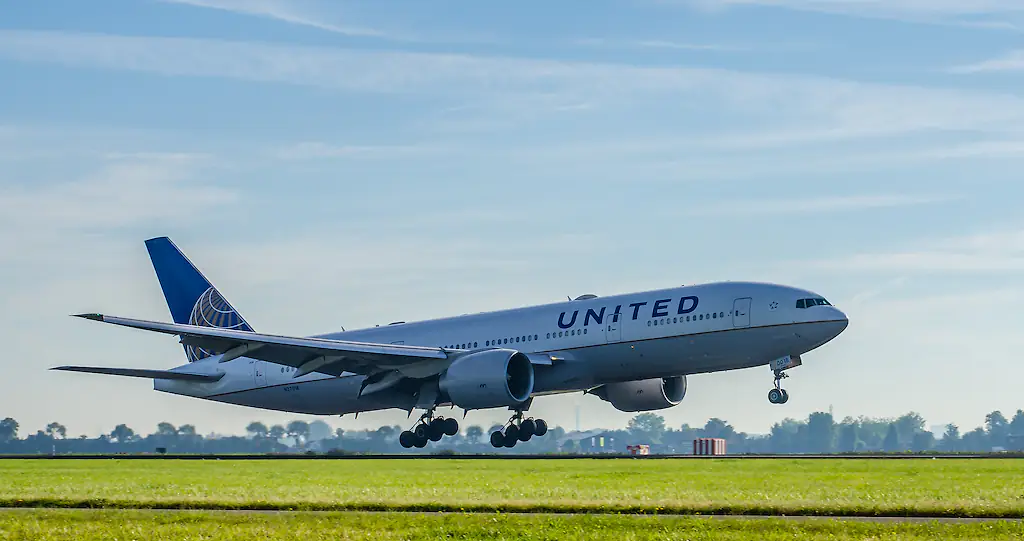
A former United Airlines pilot and expert, Steve Arroyo, warned that the communications failure could have had far more serious consequences had the FAA allowed planes to continue taking off.
The incident appeared similar to a regional air traffic control communications failure in September, which caused widespread disruption across the Northeast of the US, although Friday's outage affected the entire country.
Arroyo suggested the latest incident could be linked to the outdated technology still being used by air traffic controllers.
“If you don’t have that ability, whether it’s because the old wires that they have are just run down or for whatever reason, you’ve got to stop airplanes on the ground,” he explained.
“And not put them in the air where you’re going to risk not being able to communicate with them.”
The warning came as thousands of aircraft were already in the sky when the FAA ordered the ground stop.
Duffy said there had been approximately 3,500 planes airborne at the time, although the number quickly fell as aircraft were brought safely to the ground.
“And last time I looked, we had less than, 400 in the airspace,” he revealed.
The transportation secretary also warned that it would take time for the aviation network to return to normal, admitting, “It's going to be slow."
Arroyo also explained that Friday's incident differed from the nationwide ground stop imposed in the aftermath of the September 11 attacks in 2001.
Rather than instructing aircraft to land immediately, the FAA's response was focused on preventing additional planes from taking off while communications systems were unreliable.
Pilots were also likely still able to communicate with ground controllers at individual airports, Arroyo suggested.
The incident has once again raised questions about the reliability of America's ageing air traffic control infrastructure, with the former pilot warning that preventing aircraft from entering the skies was essential when controllers could no longer guarantee reliable communications.