


US4 min(s) read
Financial experts reveal how your wallet could be affected by Trump’s end to 234-year US penny tradition

Financial experts have explained how your wallet could be affected by Trump's end to the 234-year American tradition.
The 80-year-old president is expected to sign the Common Cents Act into law after the legislation received unanimous approval in Congress this week.
According to McClain's site, the act 'ends production of pennies for general circulation while keeping existing pennies legal tender and allowing the U.S. Mint to continue producing collectible coins'.
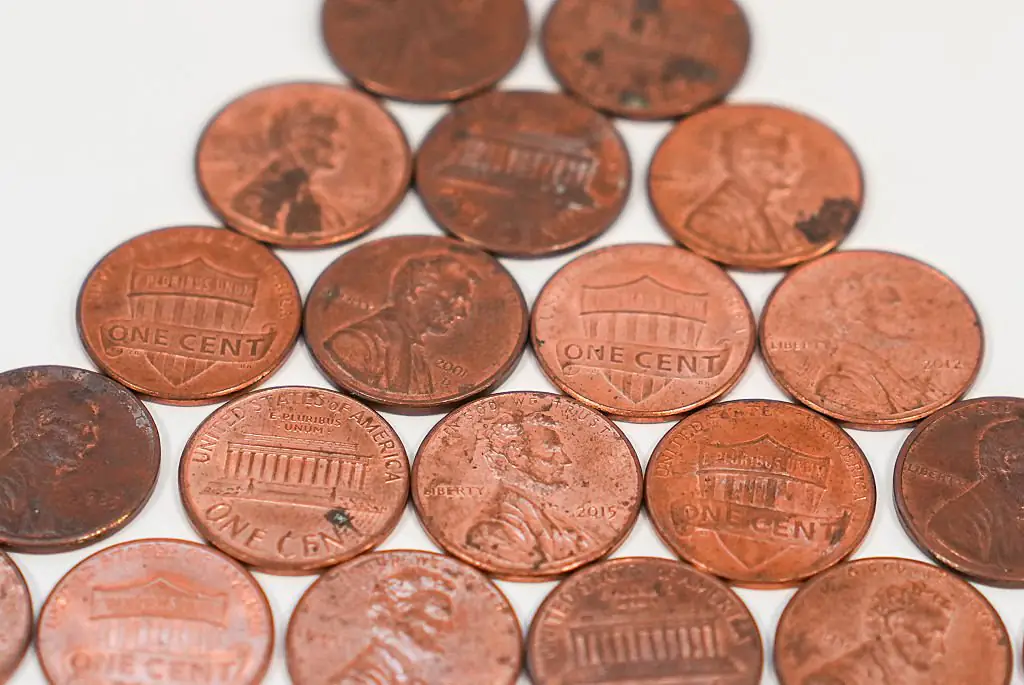
Financial experts explain how the change could impact your wallet
David Kassir, Managing Director of Private Wealth Management at Manna Wealth Management, believes Americans will notice little difference in their overall finances.
"Honestly? Losing the penny will not change anyone's financial life. Not yours, not mine. But it will change what buying things feels like for the people who still use cash," Kassir said.
"Everything gets rounded, probably to the nickel. And rounding is never perfectly fair. Over a year of small purchases, a few cents here and a few cents there start to add up. And who pays cash the most? Lower-income households. They are the ones who feel it first. That is just the reality of it."
Although rounding can work in either direction, Kassir believes the effects of these small adjustments are worth considering.
The expert added: "The bigger story is not the penny. It is what the penny's exit says about cash. Most money already moves through a phone. The penny was the last coin still pretending it was 1985."
"So what should everyday people do? Nothing, really. Watch your receipts if you pay cash. Keep your budget exactly where it is. And do not let a fun headline become a reason to stop paying attention to small numbers. Because here is the truth about budgets: small numbers are where they actually live," he said.
Cash-dependent households could be affected the most
Fellow financial expert April Lewis-Parks echoed concerns about the potential consequences for lower-income Americans and claimed that eliminating pennies moves cash transactions toward a 'nickel standard'.
"For people who rely on cash and have a tight weekly budget, rounding prices at checkout will add up over the course of a year," Lewis-Parks said.
"Retiring a coin that costs nearly four cents to make is common sense.
"The federal government saves tens of millions - but I wouldn't expect that windfall to be passed down to ordinary people," he added.
The US Mint has estimated that ceasing penny production will save approximately $56 million annually in reduced costs.
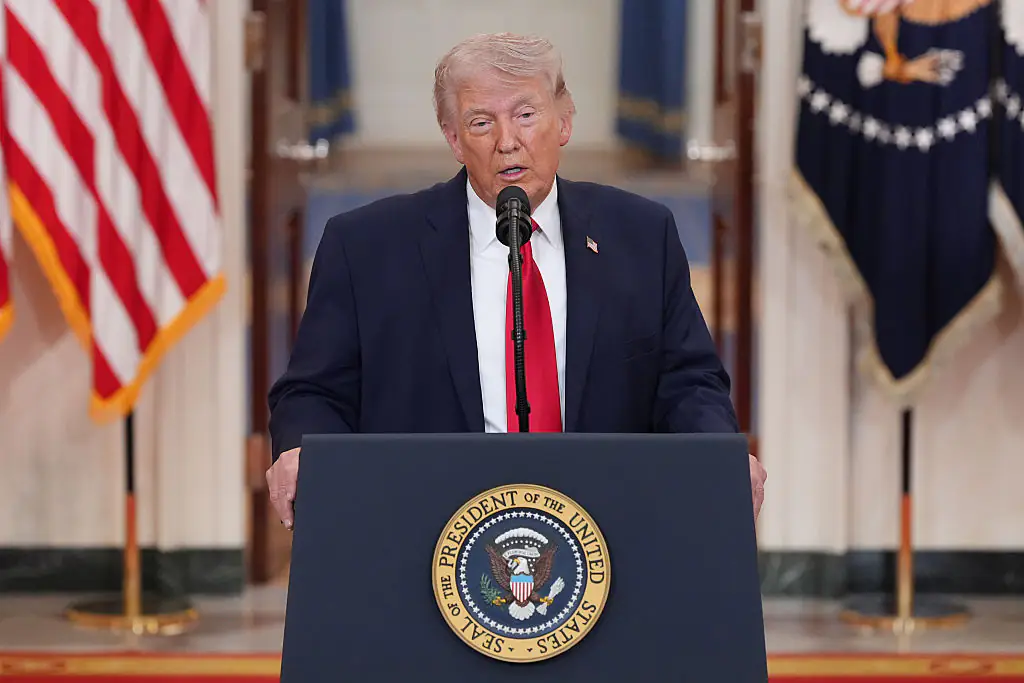
Could the nickel be the next US coin to change?
Lawmakers have now turned their attention to the nickel, which costs around 13 cents to produce but is only worth five cents, which means taxpayers lose roughly eight cents on every coin.
However, unlike the penny, legislators are not looking to get rid of the nickel. Instead, they want to find cheaper ways to make it.
House GOP Conference Chair Lisa McClain, R-Mich., who helped lead the Common Cents Act, told Fox News Digital that the government needs to address the issue.
"If it costs 13 cents to make a five-cent coin, Washington should fix the problem instead of wasting more taxpayer money," she said.
"My bill gives Treasury a path to make nickels at a lower cost without disrupting how Americans use them. It is a simple reform that saves money and brings a little more common sense to government."
Sen. Cynthia Lummis, R-Wyo., who led the bill in the Senate, also pointed out that fewer Americans are relying on cash.
"More and more Americans are paying with credit cards, debit cards and stablecoins for everyday purchases that once would have been made with cash or coins," Lummis said.
Lummis compared the decision to stop making pennies to the retirement of the half-cent coin.
"The half-cent coin was retired when it was no longer needed, and the penny has now reached that same point. It’s my hope that we can find a cheaper way to produce the nickel so that it remains economically viable for years to come," Lummis said.