


US3 min(s) read
Chilling theory that giant crabs ate Amelia Earhart as new clues could finally solve her disappearance

Amelia Earhart’s disappearance has long been a mystery scientists have wanted to discover, but in an effort to understand where the aviator may have landed, a horrifying theory reemerged.
The latest news of the decades-old case has revealed that researchers have traveled 830 miles to examine an object they think could have a major impact on finding her lost plane, which disappeared in 1937.
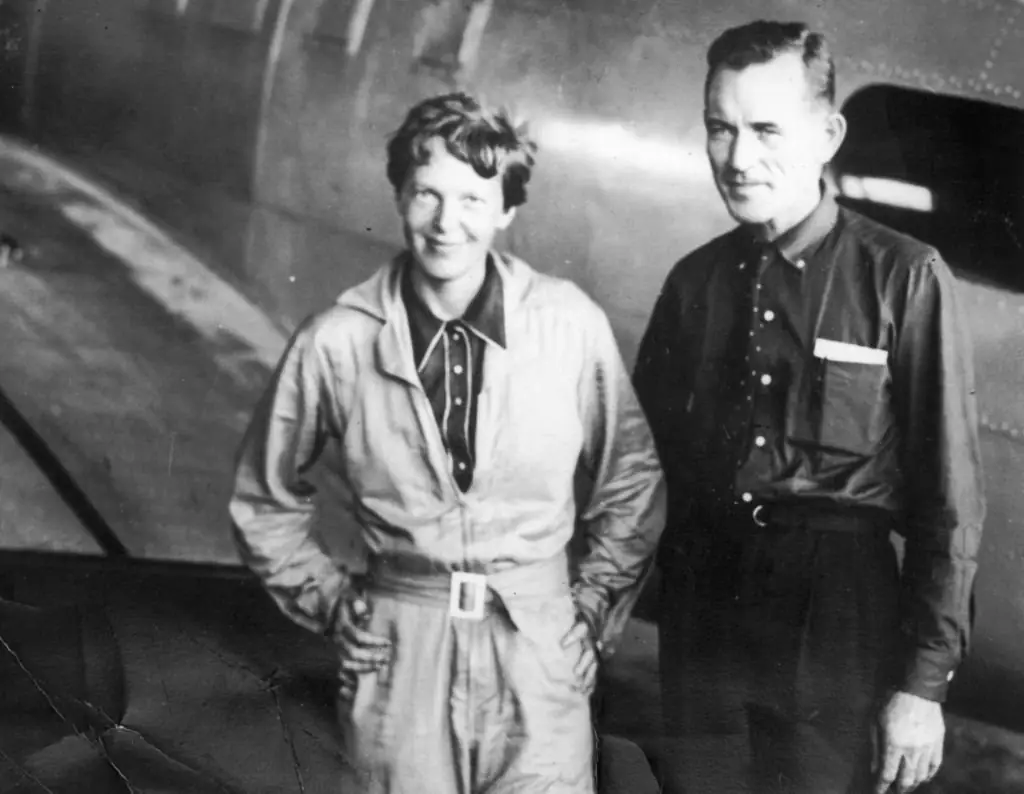
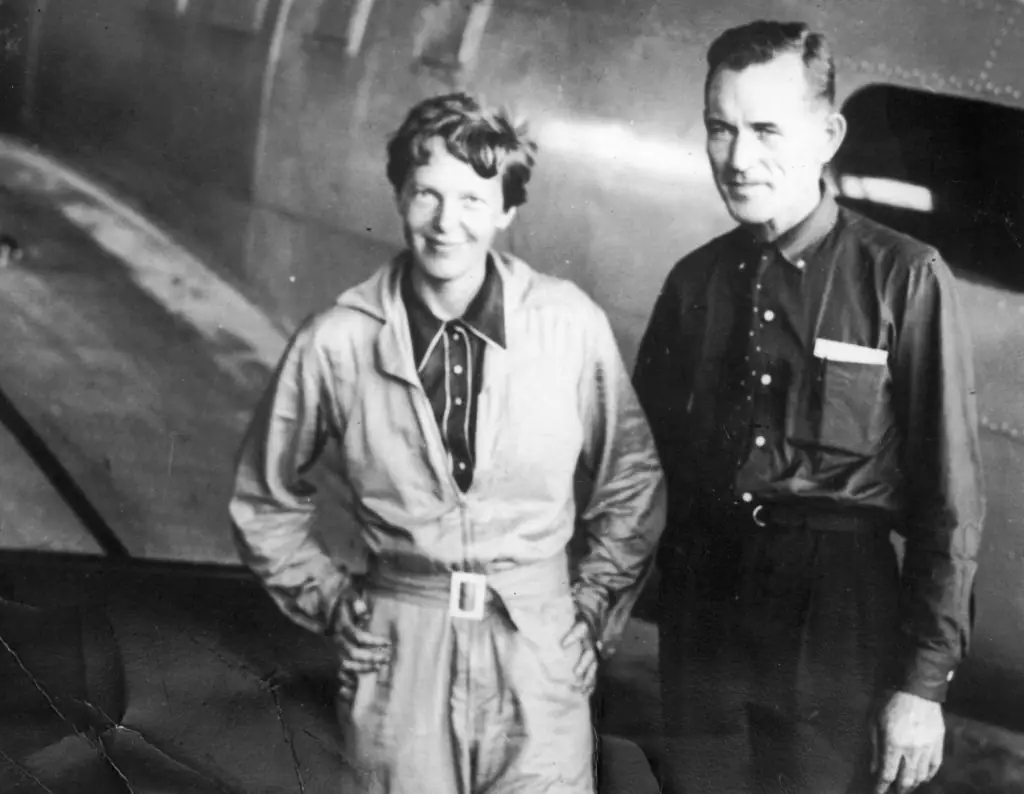
At the time, 39-year-old Earhart vanished while attempting to become the first female pilot to circumnavigate the globe, but never returned.
It is thought that Earhart’s Lockheed Electra 10E plane crashed into the sea when it ran out of fuel, and that she and aviator and navigator Fred Noonan were killed on impact or drowned.
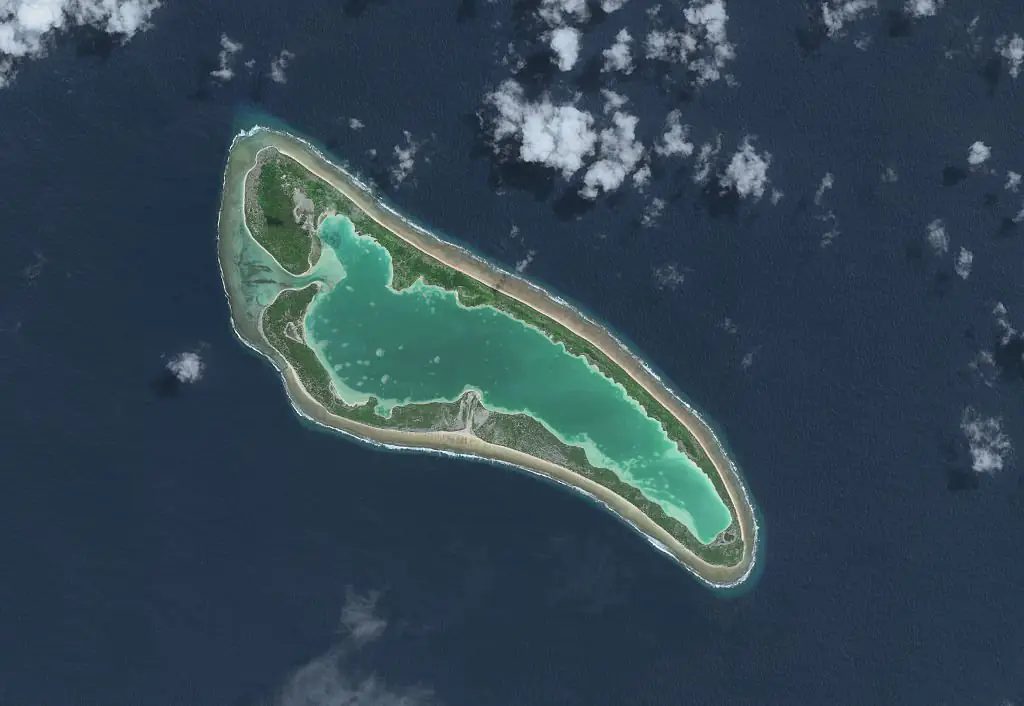
While researchers from the Archeological Legacy Institute (ALI) and Purdue University are visiting Nikumaroro Island in the Pacific Ocean to investigate a 2020 satellite image of what appears to be plane remains, they’ve come up against an unusual problem.
Giant crabs inhabit the island
According to the university, the presence of giant crabs that hunt small mammals and birds at night has made things a little tricky for the researchers.
"The crew will sleep nightly aboard the Marin Mainiku for a number of reasons, one of which is the presence of coconut crabs, whose size and overnight activity make staying on the island impractical," the university said.
Now, crabs aren’t exactly uncommon on remote islands, but the specific crabs on Nikumaroro bring back the chilling theory that Earhart was eaten by giant, flesh-eating crabs after crash-landing.
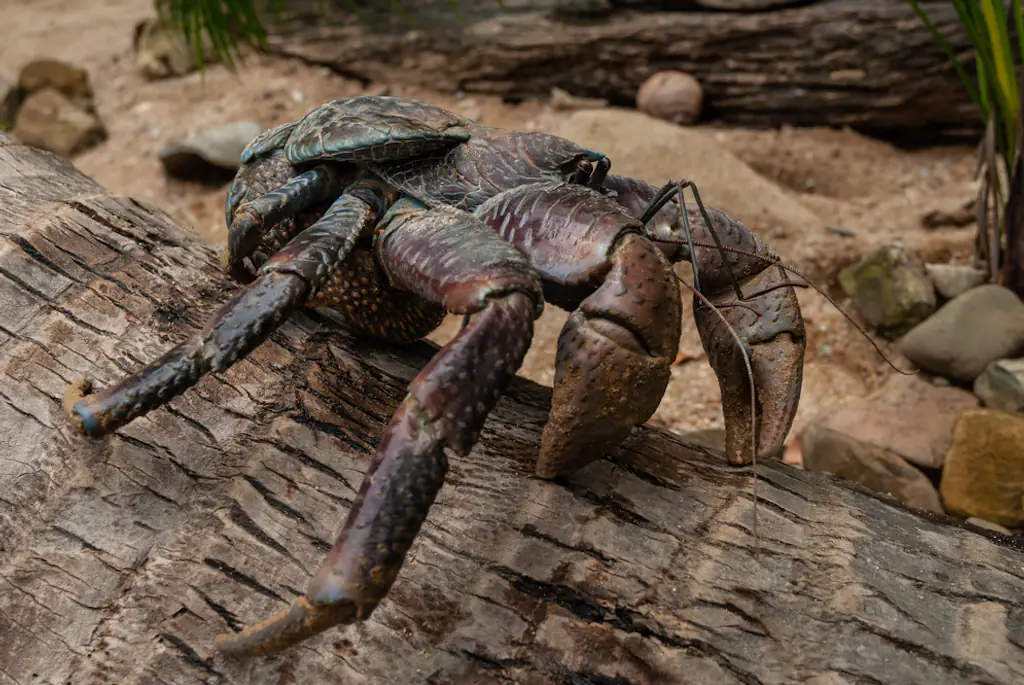
Coconut crabs have two powerful pincers capable of cracking through coconut shells, and have serrated edges like a knife, according to London's Natural History Museum.
The theory surrounding the crabs is based on the possibility that both Earhart and Noonan survived an emergency landing on the islands.
Because coconut crabs are the world's largest land-living arthropods and crustaceans, and previous evidence on the islands includes human remains being found in the vicinity of the creatures.
In 1940, a British officer discovered 13 human bones on Nikumaroro, which initially was thought to be Earhart due to the presence of a woman’s shoe, cosmetics and airplane parts.
However, it wasn’t proven.
But a 2018 experiment revealed that the crabs are capable of stripping an entire body of its flesh and scattering its bones within weeks.
“British colonists in the late 1930s found human bones, a woman's shoe, airplane parts, bottles of cosmetics, and a box that once contained a sextant (for navigation), among other items,” NASA said of the discovery. “Later explorations have turned up evidence of campfires and of shells and fish, turtle, and bird bones that appeared to have been eaten.”
Anyhow, if the body was Earhart, or if her remains are on the island, the 17-person team might be able to confirm it during the five days they have to investigate the ‘Taraia Object’.
Despite first being spotted in satellite imagery, historical researchers later confirmed the object was also visible in aerial photographs dating as far back as 1938.



.jpg_xKEaT0?tr=cr-0.328.2730.3058,f-webp,q-70,w-100)










.jpg_xKEaT0?tr=cr-0.328.2730.3058,f-webp,q-70,w-1024)


