


US4 min(s) read
Man who survived 76 days alone in the middle of the Atlantic reveals the desperate measures he took to stay alive

A man revealed how he managed to survive out in the middle of the Atlantic Ocean for over two months.
Steven Callahan wrote a memoir back in 1986 about how he survived alone in a life raft, in the second-largest body of water on Earth, in 1982.
For a total of 76 days, Callahan was stranded with nobody to help him, and somehow lived to tell the tale after abandoning his vessel.
The story is so remarkable, in fact, that a feature documentary with the same title was released in 2024.
Callahan first left Newport, Rhode Island, United States, on the Napoleon Solo, a 6.5-meter sloop he made himself, sailing the boat to Bermuda in 1981.
But it would be months before he became stranded at sea.
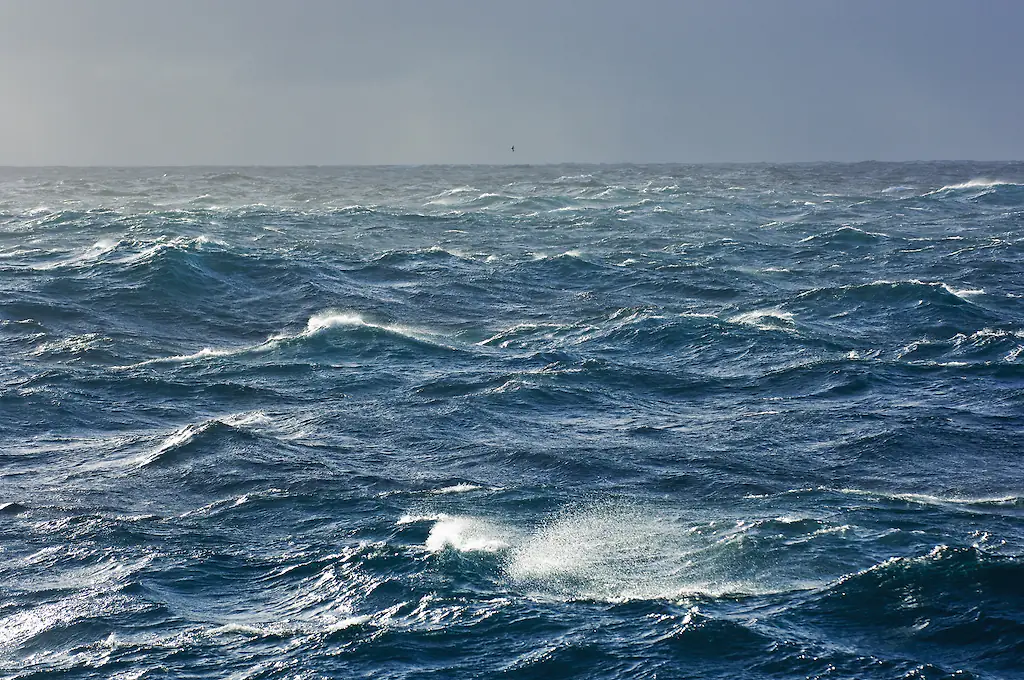
Callahan's journey to Europe
He then made the voyage to England with friend Jorden Bridges, before leaving Cornwall in the fall for Antigua while taking part in a 6.50-metre yacht single-handed sailing race from Penzance, England, before dropping out in La Coruña, Spain.
But the weather sank numerous boats in the fleet, damaging others, including Callahan's Napoleon Solo.
After making repairs, he continued down the Iberian peninsula, out to Madeira and the Canary Islands, departing the latter on January 29, 1982, aiming to reach Antigua.
But by February 5, when he was just seven days out, his boat was holed by an unknown object in a night storm, becoming swamped, though it did not sink due to watertight compartments fitted by Callahan.
While the sailor said in his memoir that he thought it was a whale, there is nothing to confirm this.
Callahan was forced to jump ship
The damage was too great, and Callahan escaped into a six-person Avon inflatable life raft, measuring about six feet across.
He stood off in the raft, managing to get back aboard numerous times to dive below and retrieve items like a bit of cushion, a sleeping bag, and most importantly, an emergency kit.
This kit had food, navigation charts, a short spear gun, flares, a flashlight, solar stills for producing drinking water, and a survival manual called 'Sea Survival', by an ocean survivor named Dougal Robertson.
A big breaking sea parted the raft from the vessel early the next morning, causing him to drift away.
Callahan drifted westward, and soon ran out of food he had rescued, instead surviving by 'learning to live like an aquatic caveman', in his own words.
He survived on mahi-mahi and triggerfish, which he captured with a spear, in addition to captured birds, barnacles, and flying fish.
The sea life would change throughout the 1,800 nautical miles he traveled across the ocean.
As for water, he had collected drinking water from two solar stills and improvised devices to collect rainwater.
This made over a pint of water per day.
How Callahan survived
The sailor's use of a radio beacon and several flares didn't trigger a rescue, as Emergency Position-Indicating Radio Beacons (EPIRBs) weren't tracked by satellites in the 1980s.
He was also in a part of the ocean that was too isolated to be heard by aircraft, while ships didn't spot his desperate flares.
Despite spotting nine ships across the two sea lanes he crossed, Callahan felt like he couldn't rely on rescue, but on himself to survive.
He would exercise regularly while navigating his way to safety, making repairs where possible and fishing while making food and water stocks for emergencies.
Finally, on April 20, 1982, he saw lights on the island of Marie Galante, southeast of Guadeloupe, and the following day, fishermen picked him up offshore after they spotted birds hovering near the raft.
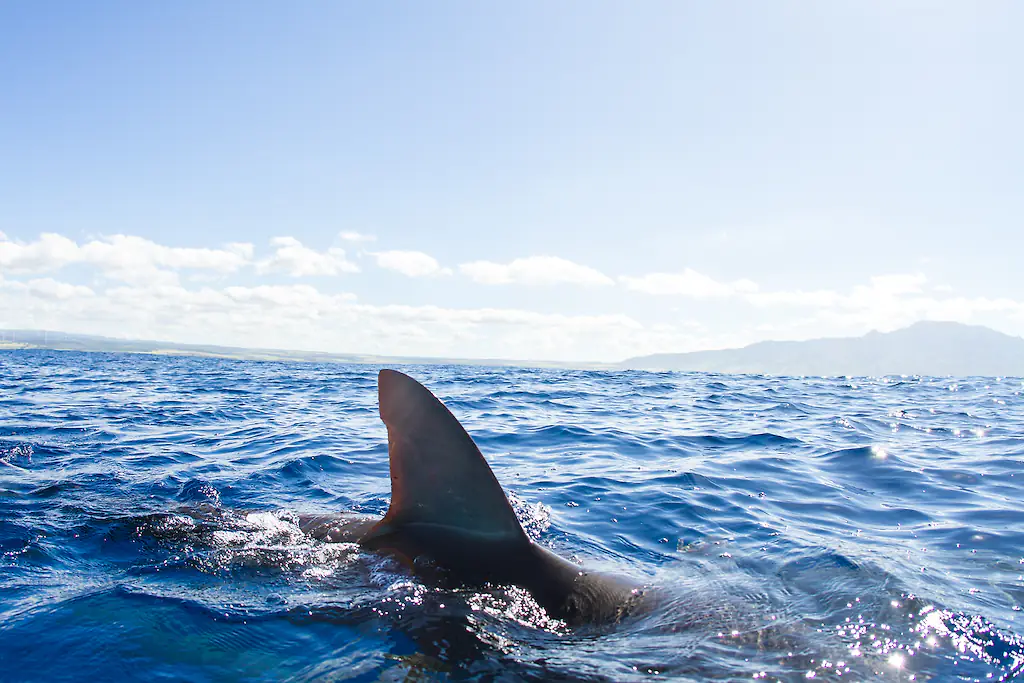
The raft had created its own ecosystem in the time he was at sea, while Callahan faced sharks, raft punctures, equipment deterioration, physical exhaustion, and more.
He had shed a third of his weight and was covered in saltwater sores, with it taking weeks to recover, eventually healing and hitchhiking on boats through the West Indies.
Reflecting on his experience, Callahan said the night sky was 'a view of heaven from a seat in hell'.
The incident hasn't changed anything, as he still sails now, describing the sea as the world's greatest wilderness.
He has continued ocean crossings, mostly with no more than two other crew.