


US4 min(s) read
Real reason Christa Pike is on life support as people question why they can't just 'pull the plug'
.webp_SmgFsc?tr=cr-292.0.1244.952,f-webp,q-70,w-100)
Christa Pike is currently receiving intensive care in a Tennessee hospital following a failed execution attempt at Riverbend Maximum Security Institution. The state attempted to carry out her death sentence by lethal injection, but complications during the procedure forced medical and prison staff to halt the process and rush her to an emergency medical facility.
She is critically ill, unconscious, intubated, and relying on a ventilator to breathe after receiving two full doses of pentobarbital, the drug utilized by Tennessee for death penalty executions. Defense attorneys stated that the execution team struggled for an hour to administer the lethal drugs, placing at least seven needles into her arms before stopping the procedure.
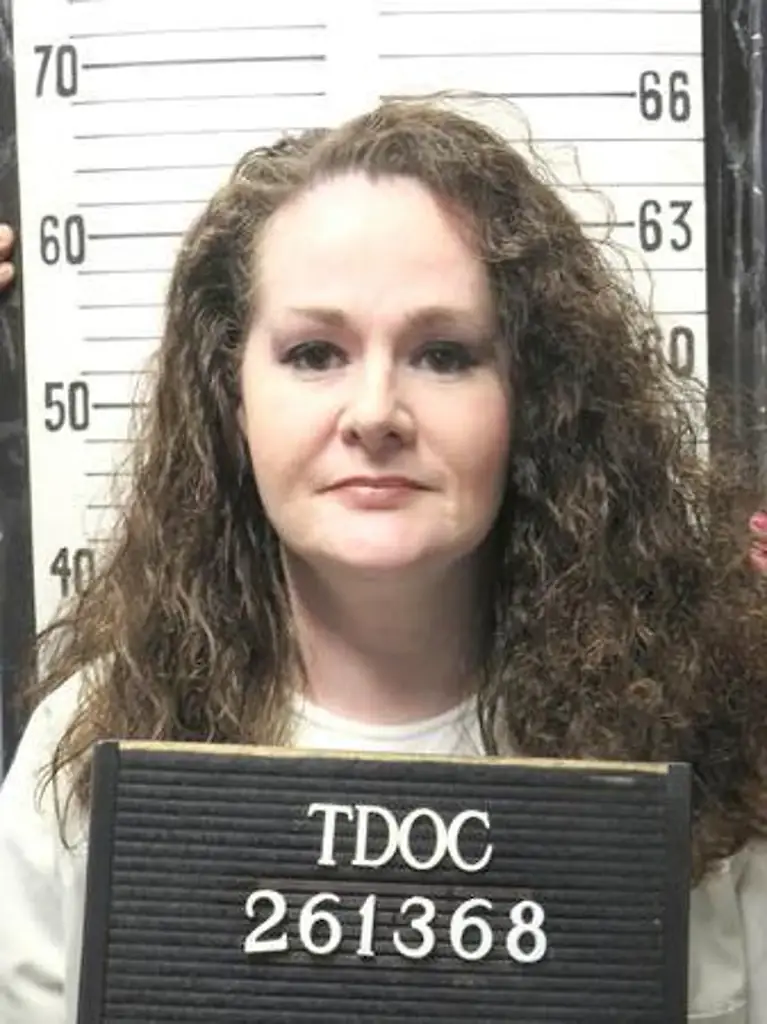
Her current medical situation has generated widespread confusion and public debate online. On social media platforms like X, many individuals have questioned why hospital personnel do not simply discontinue life support measures to complete the state sentence. However, medical ethics, legal boundaries, and hospital protocols create a sharp line between execution by the state and standard end-of-life medical care.
Online reaction to the botched execution
Social media users quickly began discussing the unusual circumstances surrounding the event after news of her hospitalization became public. The situation raised immediate questions among observers who wondered why a condemned prisoner on life support could not simply be allowed to die in the medical unit.
A user on X wrote: “The fact a death row inmate had a botched execution and is on LIFE SUPPORT is crazy. Just pull the plug and the job is done, no?”
Others online pointed out that medical staff cannot act as agents of the penal system. One person responded: “I was thinking about this last night. If the hospital pull the plug they then become the executioner rather than the court and jail carrying out the execution. I think this along with the doctors oath of supporting life is the reason it won’t happen.”
Another agreed, writing: “Kinda goes against their Hippocratic Oath.”
A third penned: “I think they can only legally end her life in the actual execution process, once that’s over they can’t just unplug her afterwards. I’m sure there’s laws about it.”
Medical protocol and legal boundaries
Hospital workers operate under strict medical and legal obligations that prohibit them from intentionally ending a patient's life or facilitating a state execution. Physicians abide by ethical oaths to preserve life and provide care to patients brought into emergency rooms, regardless of the patient's legal status or crime.
Terminating life support without proper legal authorizations, medical indications, or direct directives from legal representatives would expose medical personnel to severe legal liability and criminal charges.
Furthermore, state executions must follow specific procedures set by state law and correctional guidelines.
Tennessee law does not permit medical clinicians in a public hospital to carry out death warrants on behalf of the Department of Correction. Once a death warrant is halted or an execution attempt fails, the inmate becomes a hospital patient whose emergency care falls under standard medical regulations.
Defense claims and official response
Attorneys representing Pike stated in a court filing that severe issues with IV placement likely caused the failure. They believe the lethal drugs entered her body tissue rather than her bloodstream.
“Apparently at no point did any member of the execution team realize that the IV lines were not correctly placed or that the veins had blown and that the pentobarbital was, in whole or in part, entering Ms. Pike’s body,” they wrote.
Her legal team noted that staff administered a backup dose instead of correcting the original line placement.
Defense attorney Randy Spivey noted counting at least seven needles in her arm while the execution team spent an hour attempting to complete the injection. Pike was reportedly snoring loudly when officials cut the audio feed from the execution chamber.
Tennessee Governor Bill Lee ordered an independent review of the state's execution protocols and placed an indefinite hold on upcoming executions, including Pike's.
In response to her condition, her attorney Luke Ihnen said in a statement: “We are working closely with those closest to Christa to respect her wishes, safeguard her privacy and protect her rights as a patient during this extraordinarily difficult time. We ask that the public and media respect that privacy as well.”