


World5 min(s) read
6 most dangerous places to be if WW3 breaks out as Russia's 'short nuclear war' warning raises fears

The question of where the most dangerous areas to be if World War Three were to break out have, once again, been a topic of discussion, after Russia fueled fears of wider fighting.
The diplomatic concerns surrounding another war have intensified, after Russia’s Foreign Minister, Sergei Lavrov, suggested that any war between Russia and Europe would be dramatically different from the ongoing Ukraine dispute.
Intensifying concerns around WW3
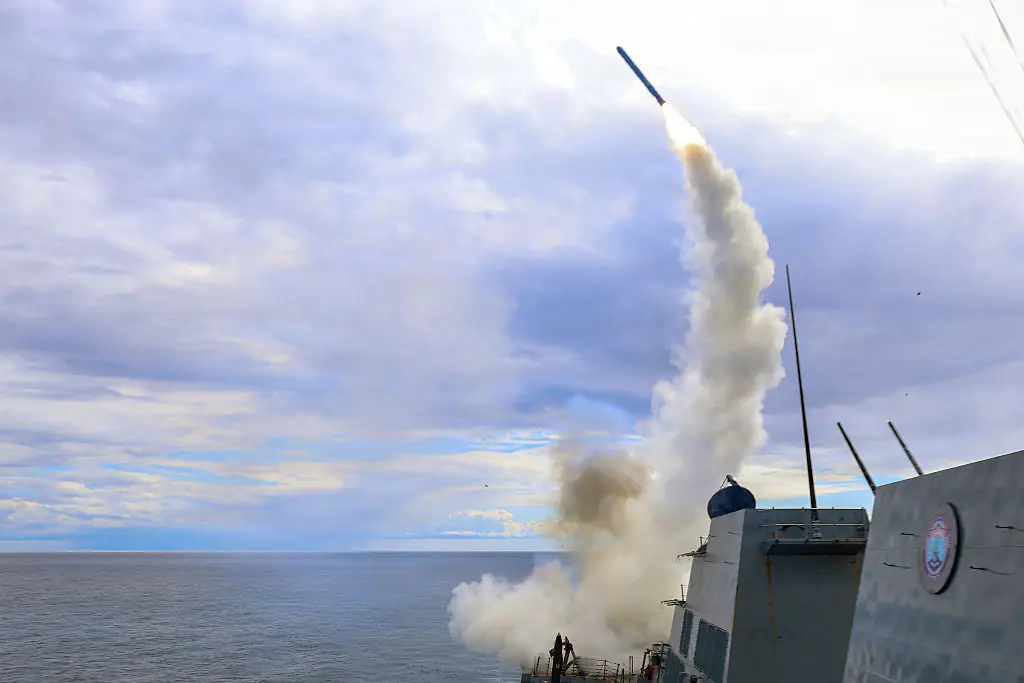
Speaking at the United Nations in New York, Lavrov claimed that a broader confrontation would become “a completely different war, and it will be short,” with the clinical comments invariably raising questions about what exactly he meant by a “short” war, particularly given Russia's huge nuclear arsenal.
Lavrov has also accused Germany of attempting to establish a “Fourth Reich” in Europe, while repeatedly warning that European countries risk provoking a direct confrontation with Russia, even claiming that the war had already begun after Germany said an attempted drone attack on one of its airports could be traced back to the country.
At the UN, Lavrov instead suggested that European countries were preparing to go to war with Moscow, warning that the accretion of weapons by European nations could become a “self-fulfilling prophecy”, arguing that countries could eventually decide to use those weapons against Russia.
The increasingly hostile rhetoric comes as European governments continue to strengthen their defences amid concerns over Russian aggression.
While the UK is not currently at war with Russia, European nations have accused Moscow of being behind a range of hostile activities, including alleged sabotage and cyber attacks.
Russia has also been accused of conducting so-called “grey zone” activities, which can involve attempts to disrupt or undermine another country without entering into an officially declared war.
The Russians boast the world's largest nuclear arsenal, with thousands of warheads at their disposal. However, the existence of large numbers of nuclear weaponry on both sides is precisely why a direct nuclear confrontation would be so catastrophic.
As such, attention has turned towards the parts of the world that could face the greatest danger if a global war were ever to erupt.
While there is no definitive map displaying exactly where a future world war would take place, experts have highlighted several regions that could become particularly exposed if existing international disputes expanded into a much wider confrontation.
Which countries could be most dangerous if WW3 broke out?
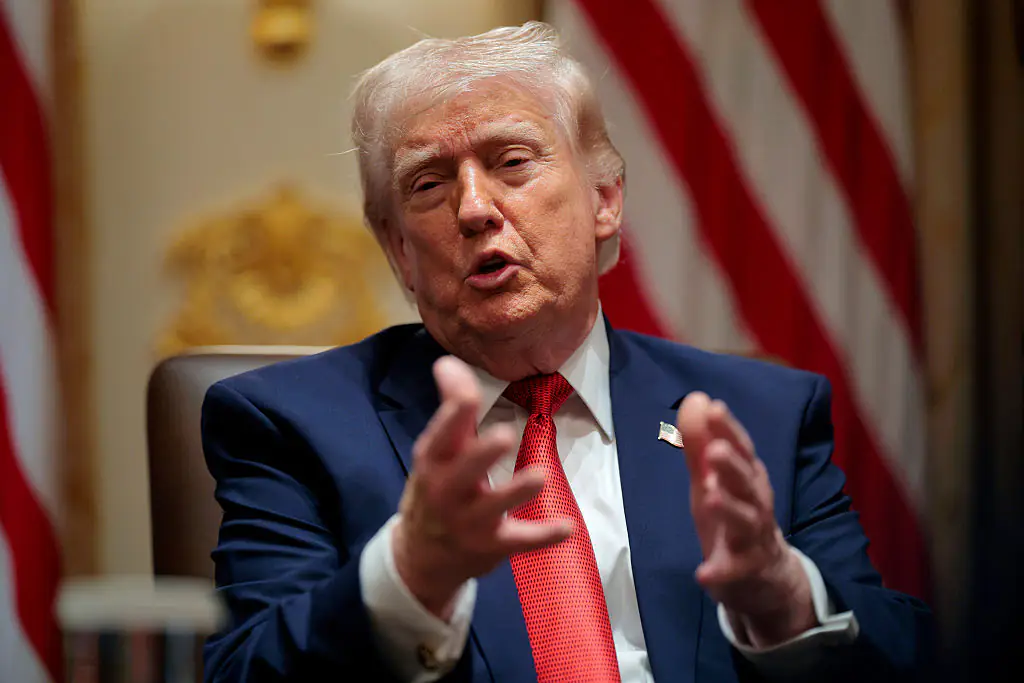
United States - The US would almost inevitably be central to any conflict involving NATO and Russia, given its military position and extensive network of strategic installations around the world.
Major military facilities and other strategic infrastructure could potentially become targets during a direct confrontation between nuclear-armed powers.
The US would also be particularly significant if tensions involving Russia, China or other major powers escalated simultaneously.
Israel - The Middle East has already experienced significant military tensions, with Israel involved in ongoing conflicts and facing threats from regional adversaries.
A broader international conflict could potentially draw additional countries into existing confrontations, increasing the risk to the region.
Israel's strategic importance and its relationship with the US would also make developments there particularly significant in any wider global conflict.
Iran - Iran is another major potential flashpoint due to its long-running confrontation with Israel and tensions with the United States have already created a volatile situation in the Middle East.
If existing hostilities were to expand, Iran could become increasingly involved in a wider conflict involving regional and international powers.
Russia - Russia itself would obviously be at the centre of any war involving Moscow and European or NATO countries.
The country is already engaged in its war against Ukraine and possesses thousands of nuclear weapons.
A direct confrontation between Russia and NATO would therefore carry an entirely different level of risk from the war in Ukraine that is currently taking place.
Taiwan - Taiwan has long been one of the most significant potential flashpoints in the Asia-Pacific, with China laying claim to Taiwan as part of its territory, while Taiwan operates with its own government and democratic institutions.
The US has also maintained considerable interest in Taiwan's security, with any attempt by China to seize Taiwan by force potentially drawing other major powers into the dispute, transforming a regional crisis into something much larger.
North Korea - North Korea's nuclear weapons programme and its military relationship with Russia make the Korean Peninsula another area that could become extremely dangerous during a wider global conflict.
Pyongyang's unpredictable foreign policy and long-running tensions with South Korea, Japan and the United States add another potential flashpoint.
A war involving North Korea could also have serious consequences far beyond the Korean Peninsula.
While it is impossible to guarantee that any location would be completely safe during a global war, some countries and territories are regularly identified as potentially less exposed because of their geography, population density, resources, diplomatic neutrality, or strategic importance.
The likes of Switzerland, Greenland, Iceland, New Zealand, and South Africa are frequently cited as potential safety zones, due to a combination of the aforementioned reasoning, with isolated positioning to civil-defence shelters.
With the current warnings from Russian officials creating an increasingly hostile geopolitical environment, it is no bad thing to know where to go should threats escalate into nuclear disputes between countries.