


World4 min(s) read
Doomsday map shows 12 safest places to be if WW3 breaks out as CIA boss issues warning to Putin

A Doomsday map has revealed 12 places that could be among the safest in the world if World War III breaks out.
The list comes as fears of wider conflict grow, with US intelligence reportedly warning that Russia could test NATO by attacking a member.
CIA director John Ratcliffe also made a secretive eight-hour trip to Moscow this week, where he reportedly warned Moscow against escalating tensions with the intergovernmental military alliance.
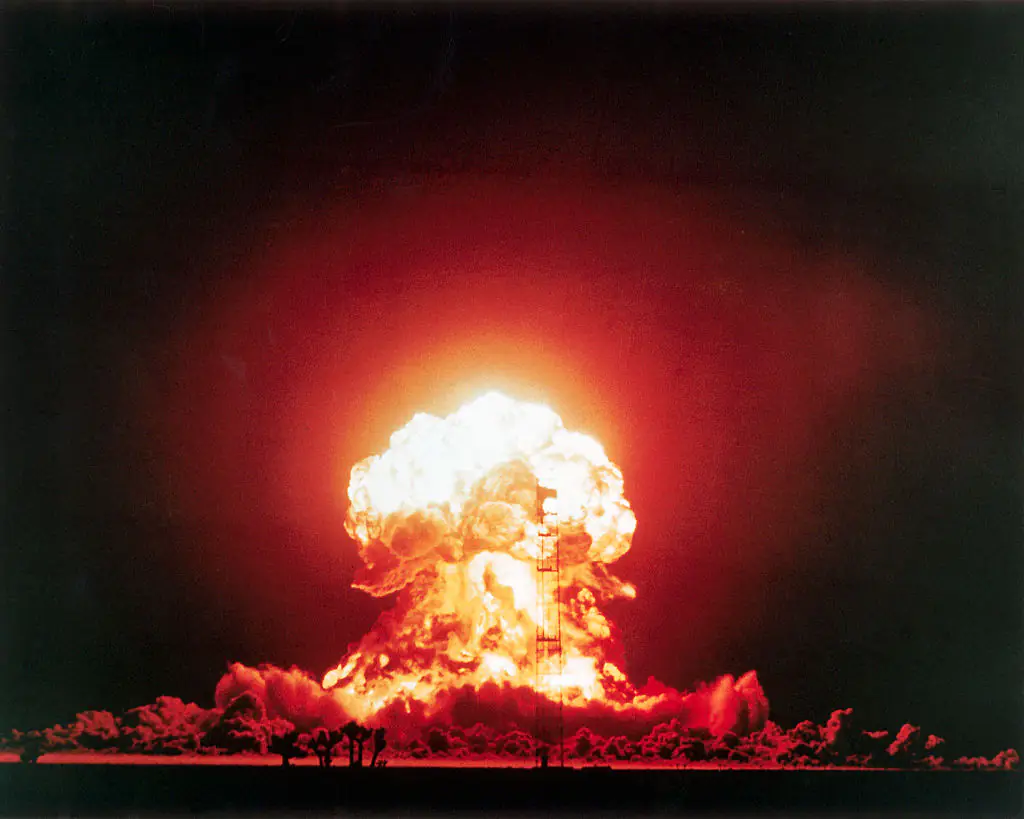
The 12 safest places if World War III breaks out
The locations on the map were chosen for factors such as isolation, neutrality, and access to key resources like food and water.
The 12 places are:
1. Antarctica: Extremely remote and politically neutral, though its difficult environment would make survival hard.
2. Iceland: Isolated, peaceful, and seen as having low strategic value.
3. New Zealand: Remote, mountainous, and naturally protected.
4. Switzerland: Known for its neutrality and vast nuclear shelters.
5. Greenland: Sparsely populated and politically neutral.
6. Indonesia: Known for its non-aligned foreign policy.
7. Tuvalu: Has a small population and little strategic importance.
8. Argentina: Has abundant crops and natural resources that could help people survive.
9. Bhutan: Neutral since 1971 and protected by mountains.
10. Chile: Strong infrastructure and can produce food.
11. Fiji: Is remote and has a low military profile.
12. South Africa: Has fertile land, access to water, and developed infrastructure.
However, being on the list would not guarantee safety, especially if nuclear weapons were used.
Scientists have warned that no country would be completely protected from a nuclear conflict because radiation could travel through the atmosphere.
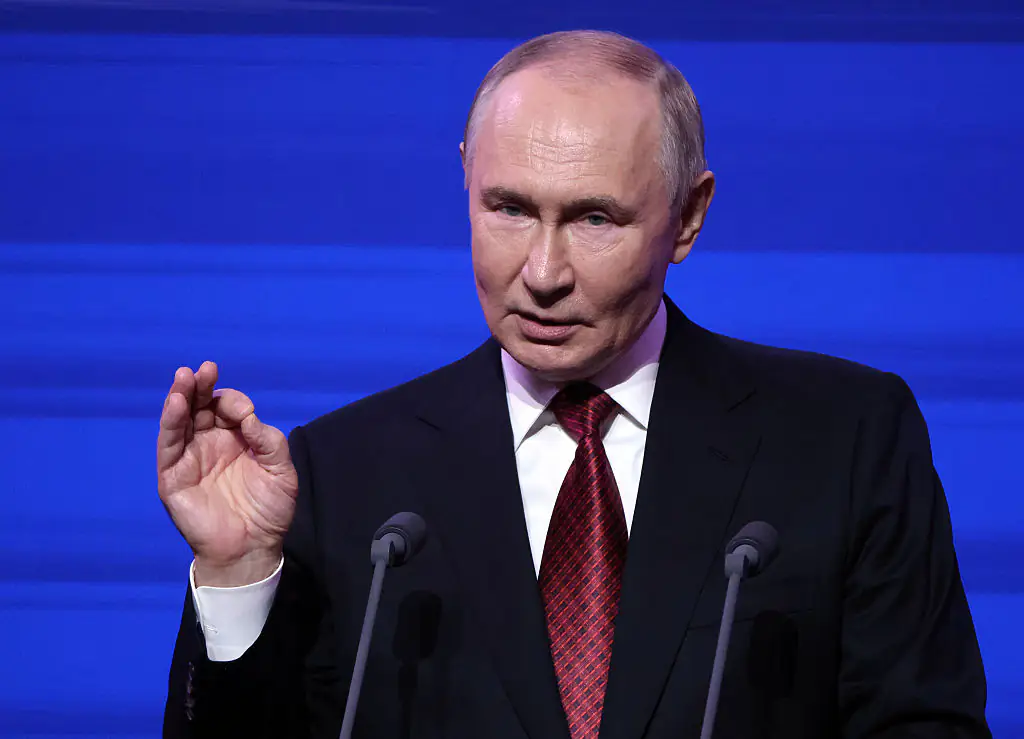
CIA boss reportedly warned Russia over NATO
The list has drawn renewed attention as tensions between Russia and NATO continue to rise.
According to The Telegraph, US intelligence reportedly believes Russia could launch a limited attack on NATO's eastern side to see how the alliance responds.
CIA director Ratcliffe traveled to Moscow on August 25, with one source saying the visit was "primarily to warn Russia against any escalatory action against the Baltic states."
The Kremlin confirmed Ratcliffe met Russian intelligence officials but said he did not meet Russian President Vladimir Putin.
President Donald Trump played down the visit, describing it as "semi-routine", and said, "something may come out of it."
Russia has denied reports that it could attack a NATO country.
Kremlin spokesman Dmitry Peskov said: "A lot of this kind of scare-story material is being published right now. Of course, it has nothing to do with reality and nothing to do with the intentions of the Russian Federation," per The Guardian.
He also claimed the meeting in Moscow was not held to warn Russia against attacking NATO.
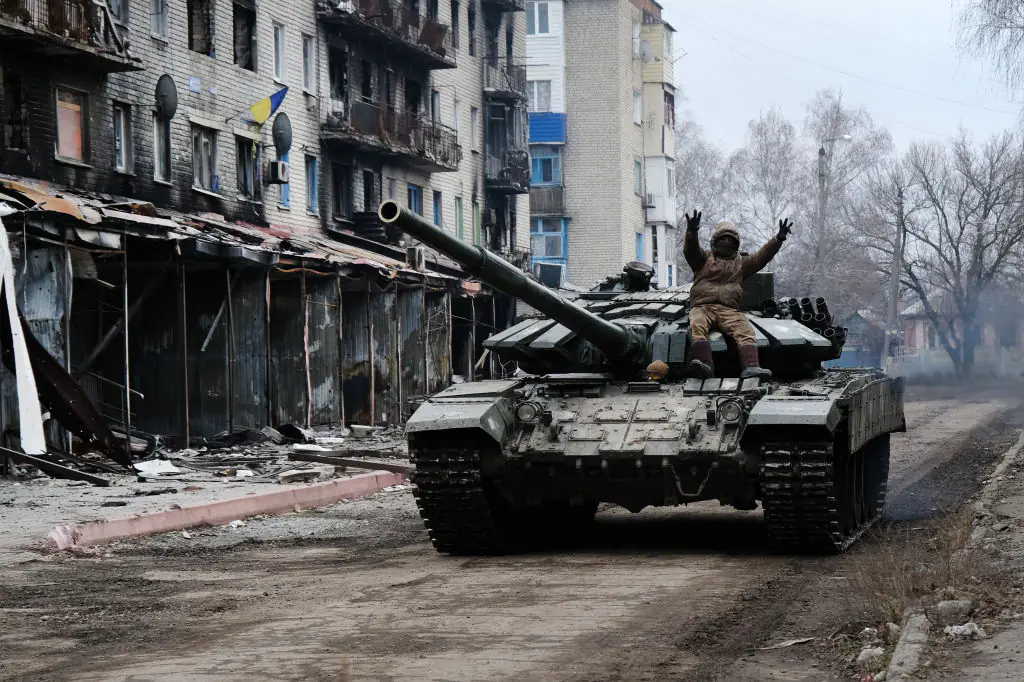
Russia could step up attacks on Ukraine
The warnings come as attempts to end the war in Ukraine have reportedly stalled.
According to Bloomberg, Russia is considering increasing its attacks after deciding that peace talks have reached a dead end.
One option reportedly under consideration is heavier ballistic missile attacks on Kyiv, including the city center, and on infrastructure in other Ukrainian cities.
Ukraine has meanwhile stepped up attacks on Russian oil facilities and warehouses run by large online retailers to pressure Russia's economy.
Sources said Putin increasingly sees these strikes as NATO attacks because Western nations provide Ukraine with weapons and intelligence.
Ukraine "opened this Pandora’s box", Putin said at the weekend.
"Well, be ready to get a blowback on your most sensitive sectors of the economy," he added.