


World4 min(s) read
AI gives a surprising and bleak answer when asked how long the US war in Iran will last
.webp_SmgFsc?tr=cr-292.0.1244.952,f-webp,q-70,w-100)
The growing tensions between the US and Iran have captured global attention, as President Trump has led the country into increasingly risky military actions. On the YouTube channel I Ask AI, a video titled I Asked AI to PREDICT When the Iran War Ends sought an answer to the burning question: how long will this conflict last?
The AI's response surprised many, offering a bleak outlook on the long-term consequences of the war. The conversation revolved around the potential for a "forever war," much like the situation in Iraq, but with new challenges and dangers unique to this conflict.
The video delves into the goals of the United States in this confrontation, which include the destruction of Iran's military infrastructure and the prevention of nuclear weapon development.
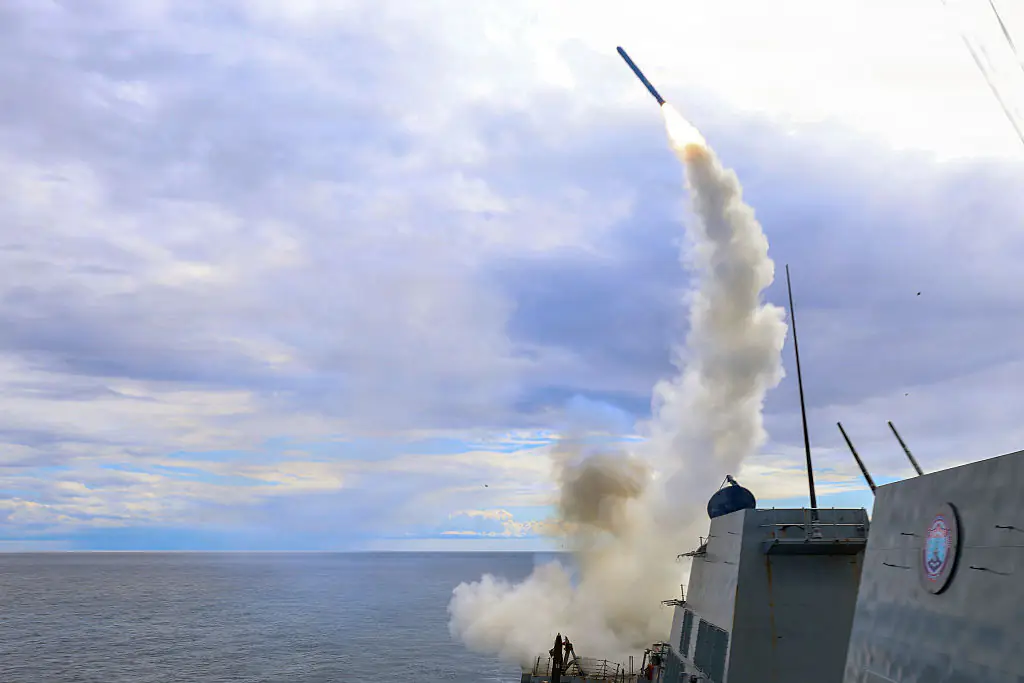
However, AI, through its analysis, suggests that while some of these goals may be achievable in the short term, the longer-term consequences could be severe. The prediction is a sobering one: though the air campaign may achieve limited success, it will not bring an end to the violence or instability in the region.
Are the US goals even achievable?
When AI was asked to assess the objectives of the US in the war with Iran, it presented a mixed picture. The goals set out by Trump and other officials include destroying Iran's offensive missile capabilities, crippling the Iranian navy, preventing Iran from obtaining nuclear weapons, and destabilizing the country's regime. While some of these objectives, like destroying Iran's conventional navy and missile sites, may be partially achievable, the long-term outcomes look grim.
AI stated that "destroying security infrastructure" and "regime change" are unlikely to succeed. The Iranian regime is deeply embedded in the country's society, and overthrowing it through military means is a risky gamble. The AI pointed out the lessons learned from Iraq, where military action led to years of instability rather than the promised swift victory. Furthermore, the idea of regime collapse, as proposed by some US officials, ignores the history of populations rallying behind their governments when faced with external threats.
Will this turn into Iraq 2.0?
The question of whether the US intervention in Iran will mirror the disaster that unfolded in Iraq is a pressing one. AI acknowledges that the situation will differ structurally, primarily because no ground invasion is planned.
The absence of boots on the ground means there will be no insurgency or long-term nation-building effort, which is a stark contrast to the Iraq war. However, the prediction remains grim.
AI forecasts that the air campaign will achieve its immediate objectives within the four-to-five-week window Trump suggested, but the real conflict will continue in the form of proxy warfare.
According to the AI, once the airstrike phase concludes, the US will declare victory, but Iran's ability to continue asymmetric warfare through proxy groups will persist. Attacks on US bases across the region will become commonplace, and the Middle East will face a decade or more of instability.
Iran's pursuit of nuclear capabilities could intensify as a result, driven by the harsh lesson learned: without a nuclear deterrent, countries are vulnerable to attacks. The conflict could leave a legacy of enduring tension, with no clear resolution in sight.

How long will the war last?
The most telling part of the AI's prediction is this stark assessment: "The hot war phase lasts weeks, not years. Trump pulls back, claims victory, and moves on. But the aftermath is a decade-plus of regional instability, proxy warfare, an emboldened Iranian diaspora resistance that may or may not coalesce into anything, an accelerated nuclear race, and a Middle East that's significantly more dangerous than it was before February 28."
This prediction paints a picture of a world where the US may claim short-term military victory, but the long-term consequences could be far more damaging - resulting in a perpetual state of instability for the region. Oil markets will remain volatile for years, and the US’s credibility as a reliable partner will take another hit.
The AI concludes that while it is not a "forever war" in the Iraq sense, it is more like a "forever consequence," a wound that "doesn't bleed dramatically but never fully heals."