


World3 min(s) read
AI gives opinion on the five safest countries to be in if nuclear war breaks out

Geopolitical tensions and aggressive rhetoric across global power centers have led many people to wonder what would happen if modern disputes cross an irreversible line.
Following statements from Russian officials warning that a direct military confrontation with European nations would be a short conflict, discussions about potential survival scenarios have rapidly gained traction across the internet.
With widespread concern about modern weapons stockpiles and strategic installations, social media users have started asking artificial intelligence models where everyday citizens might find shelter if a global catastrophe begins.
The topic recently blew up on X after an online user posed the ultimate survival question directly to X's AI chatbot, Grok.
An X user named Ryan Malk posted: "Hey @grok, in case of WW3, what are the 5 safest countries on earth and why?"
Grok responded: "New Zealand: remote South Pacific location, food surplus, low strategic value.
Iceland: top Global Peace Index, isolated island, renewable energy and fishing.
Switzerland: long neutrality, Alpine terrain, extensive nuclear bunkers.
Argentina: vast agriculture, Southern Hemisphere distance from major powers.
Chile: Andes and Pacific barriers, minerals and food self-sufficiency."
The top five survival sanctuaries named by Grok
The selections provided by Grok emphasize geographical separation, self-reliance, and civil defense infrastructure over sheer military might. New Zealand and Iceland stand out as isolated island nations.
Because New Zealand produces a substantial surplus of food and sits far from the likely missile trajectories of the Northern Hemisphere, it presents minimal strategic value to attacking nations.
Similarly, Iceland boasts top ranks on the Global Peace Index, generates abundant geothermal and hydroelectric power, and possesses rich fishing waters that ensure survival independent of foreign supply chains.
Switzerland remains the primary continental European haven on the list thanks to its unique civil protection framework. The Swiss government maintains a legal mandate requiring nuclear bunker space for its entire population, paired with rugged Alpine mountains that complicate hostile invasions.
Further south, South American nations Argentina and Chile offer substantial distance from major belligerent capitals. Argentina holds immense agricultural acreage, while Chile benefits from the natural protection of the Andes mountain range alongside extensive mineral wealth and agricultural independence.
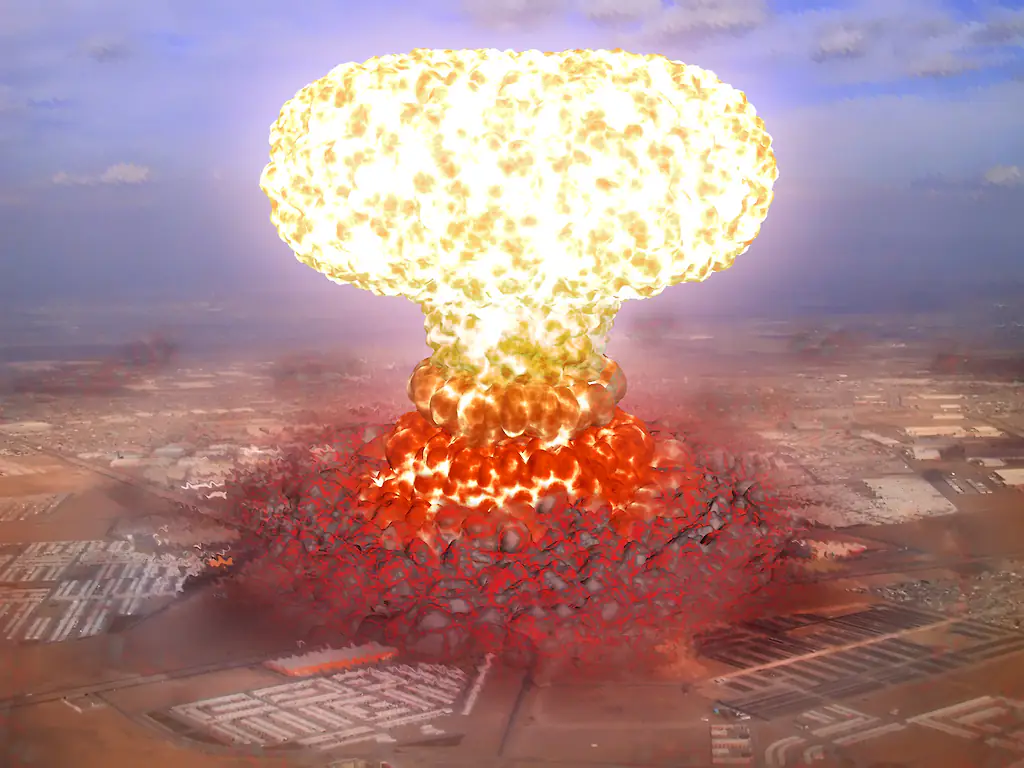
High-risk zones facing the greatest danger
The logic behind selecting safe havens becomes clearer when contrasted with regions facing the highest threat levels during a global war. Defense analysts and military observers consistently pinpoint the United States, Russia, and major European powers as direct targets due to their massive nuclear arsenals, NATO alliances, and worldwide bases.
A direct clash between superpowers would almost certainly focus heavy bombardments on command nodes, communication hubs, and missile silos located across these territories.
Regional flashpoints also carry severe dangers. Taiwan remains an intense geopolitical focal point where friction between China and Western allies could ignite a broader conflict.
In the Middle East, ongoing hostility between Israel and Iran threatens to draw foreign superpowers into a wider regional theater. North Korea possesses an active nuclear program and close military ties with Russia, creating an unpredictable environment on the Korean Peninsula.
Because these combat areas face catastrophic disruptions, remote and neutral territories with independent food supplies remain humanity's best prospect for shelter.