


World2 min(s) read
An A-Z list of all the famous people named in the Epstein files is now available to read and some huge stars are mentioned

The United States Department of Justice handed over a full list of names to Congress as part of the massive release of documents tied to its investigations into Jeffrey Epstein.
According to a six-page letter obtained by CNN, the list includes a wide range of high-profile individuals whose names appear somewhere in the files, regardless of context.
Prominent names on the revealed list
It does not explain how closely those individuals were connected to Epstein or whether they had any direct contact with him.
The letter, signed by Deputy Attorney General Todd Blanche, was sent to senior members of the House and Senate Judiciary Committees.
The DOJ was required to produce the list under the Epstein Files Transparency Act, which Congress passed to increase transparency.
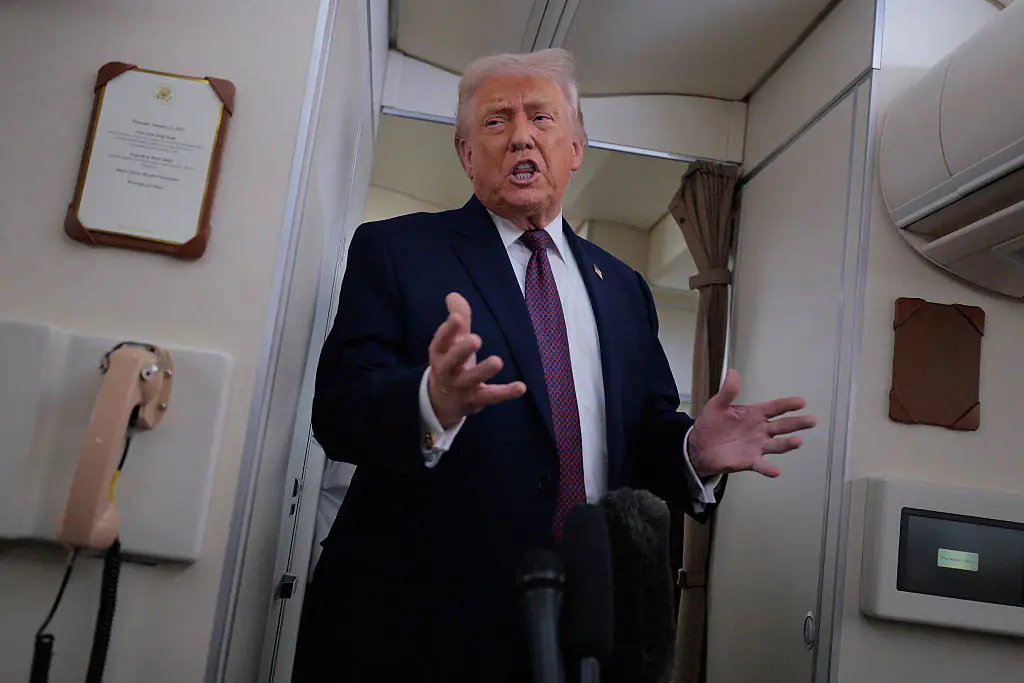
Some of the names included are known to have had links to Epstein, but others are not believed to have ever interacted with him personally.
The list spans presidents, business figures, and government officials, as well as late cultural icons. Prominent A-list celebrities also feature, including Diana Ross and Brett Ratner.
It also references figures previously associated with Epstein in reporting, including Donald Trump, Bill Clinton, Steve Bannon, Kathy Ruemmler, and Les Wexner.
No one on the list has been charged with any wrongdoing
However, aside from Epstein and his associate Ghislaine Maxwell, none of the individuals listed have been charged with crimes related to the case.
The DOJ stressed that the names appear under very different circumstances.
“Names appear in the files released under the Act in a wide variety of contexts,” the letter explains.
“For example, some individuals had extensive direct email contact with Epstein or Maxwell while other individuals are mentioned only in a portion of a document (including press reporting) that on its face is unrelated to the Epstein and Maxwell matters.”
The department is also facing ongoing scrutiny over how it handled redactions in the documents.
While officials say some information was withheld for legal reasons, such as protecting internal discussions or attorney-client privilege, critics, including some lawmakers who reviewed unredacted files, have accused the DOJ of shielding powerful individuals by keeping certain details hidden.
You can see the full list here.