


World3 min(s) read
Director of world’s most dangerous prison reveals chilling reason the lights are never turned off

The director of the world’s most dangerous prison reveals the haunting reason why the lights are never turned off.
The Terrorism Confinement Center (CECOT) in Tecoluca, El Salvador, is widely considered one of the harshest penitentiaries in the world, housing up to 40,000 inmates, including alleged gang members and violent criminals.
The facility is built as part of President Nayib Bukele’s sweeping crackdown on gang violence in 2023, and is protected by an electronic dome that blocks all phone signals and makes smuggling virtually impossible.
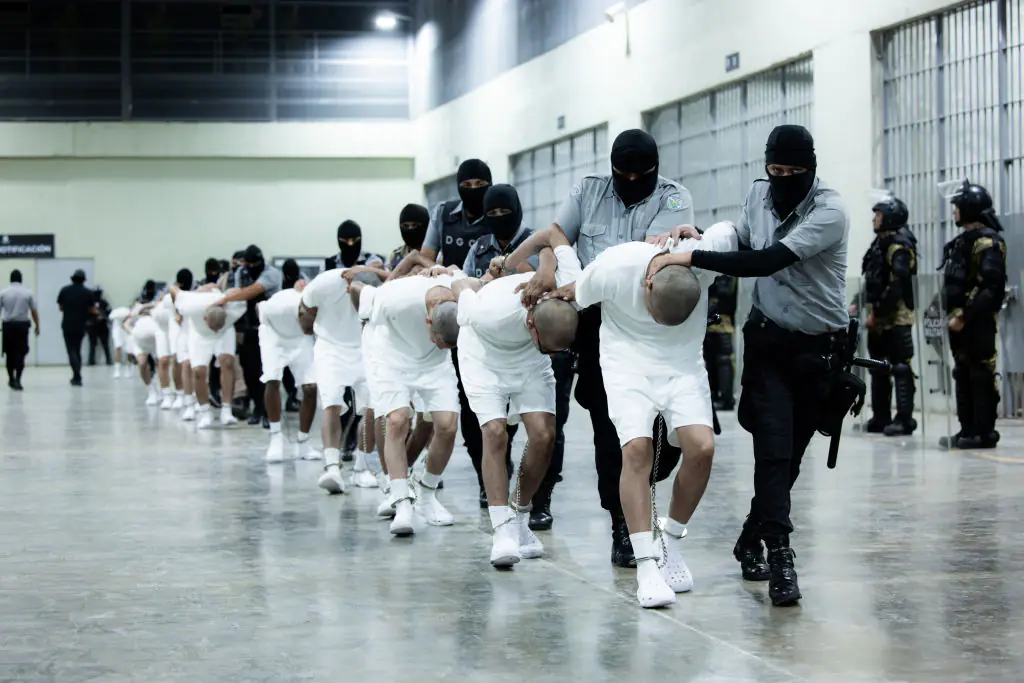
Inside the brutal reality of CECOT
Channel 5 recently released a documentary titled Richard Madeley: Inside the World’s Mega Prison, and it offers a rare look inside the heavily guarded jail.
During the film, prison director Belarmino García explained why prisoners are never allowed darkness.
"We have a 24/7 lighting system," García said. "It's simply part of the protocol, I need to be able to see what they are doing."
The film also showed the harsh conditions prisoners live in. They sleep on stacked metal bunks without mattresses, pillows, or blankets, and the only item permitted inside the cells is a Bible.
They are not allowed TVs, books, newspapers, or personal belongings, and talking is kept to a minimum.
When Madeley asked García whether he considered the conditions cruel, the director defended the measures.
"It's necessary to be in control," he responded.

The presenter was also shown punishment cells described as "a tiny pitch black concrete hole," where prisoners can reportedly be locked up for up to 30 days.
"Difficult gangster prisoners here can be banged up here for 30 days," he says in the film. "It's totally silent. There is no light coming down from the roof...You'd have to grope your way to the stone sink here, you'd have to grope your way to the toilet."
Despite the severe restrictions, inmates are still counted daily and spend just 30 minutes outside their cells each day.
They can use that time to perform calisthenics exercises and listen to Bible passages being read aloud.
Prisoners are also served the same meals every day, with beans and rice given twice daily.
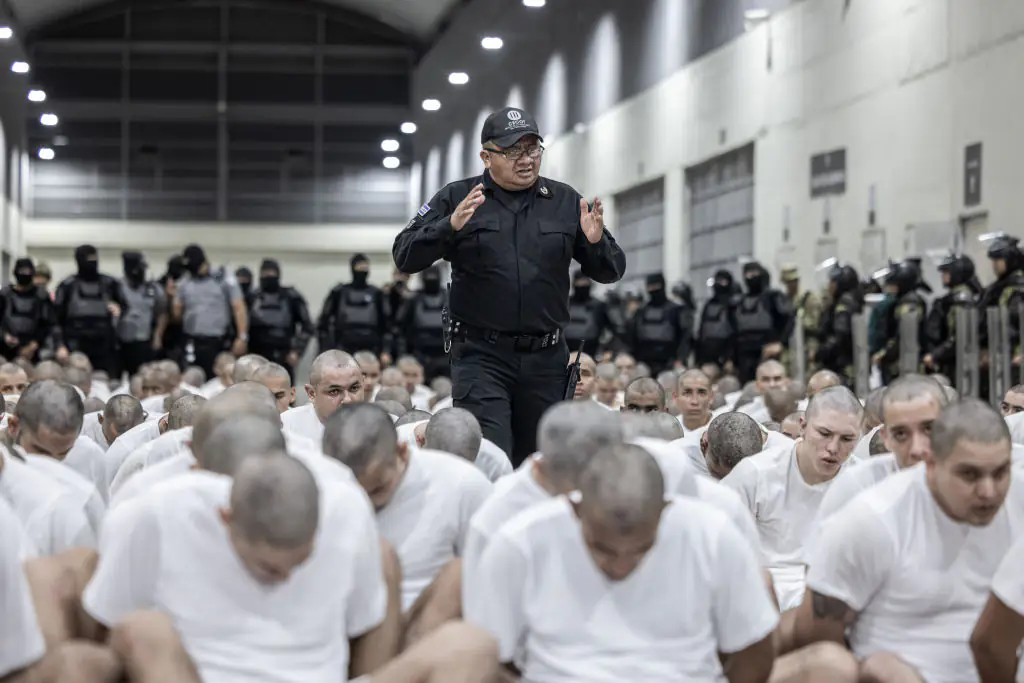
Why is the prison controversial?
CECOT and El Salvador’s wider prison system have faced criticism from human rights groups for years.
Organizations have accused the country of committing many human rights violations, including torture, mass trials, and the deaths of hundreds of inmates inside prisons.
At the same time, the prison has also received support from various politicians and Salvadorans who credit President Bukele’s gang crackdown with sharply reducing homicide rates across the country.