


World3 min(s) read
Eight most dangerous US states to be in if World War 3 happens

The eight most dangerous US states to be in if World War 3 happens have been revealed.
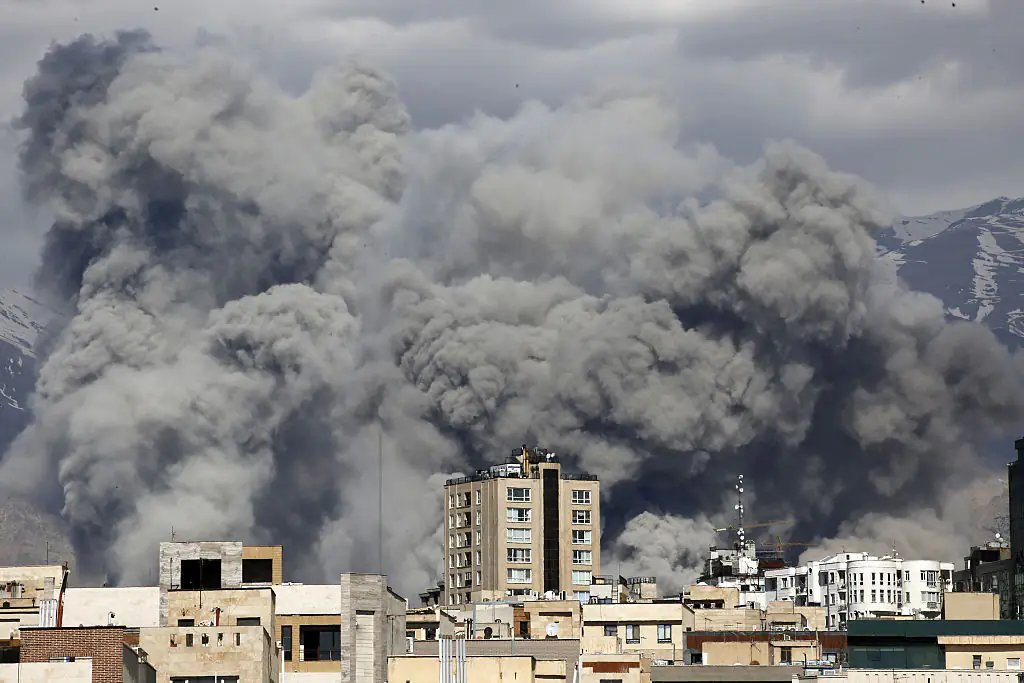
Over the weekend, the US and Israel launched coordinated airstrikes on Iran aimed at dismantling the country's nuclear and missile capabilities.
These strikes killed the country's Supreme Leader, Ayatollah Ali Khamenei, and at least 555 people in Iran, according to reports from Al Jazeera.
In retaliation, Iran launched missile strikes targeting Israel and key transport hubs in the Gulf, such as Dubai and Abu Dhabi.
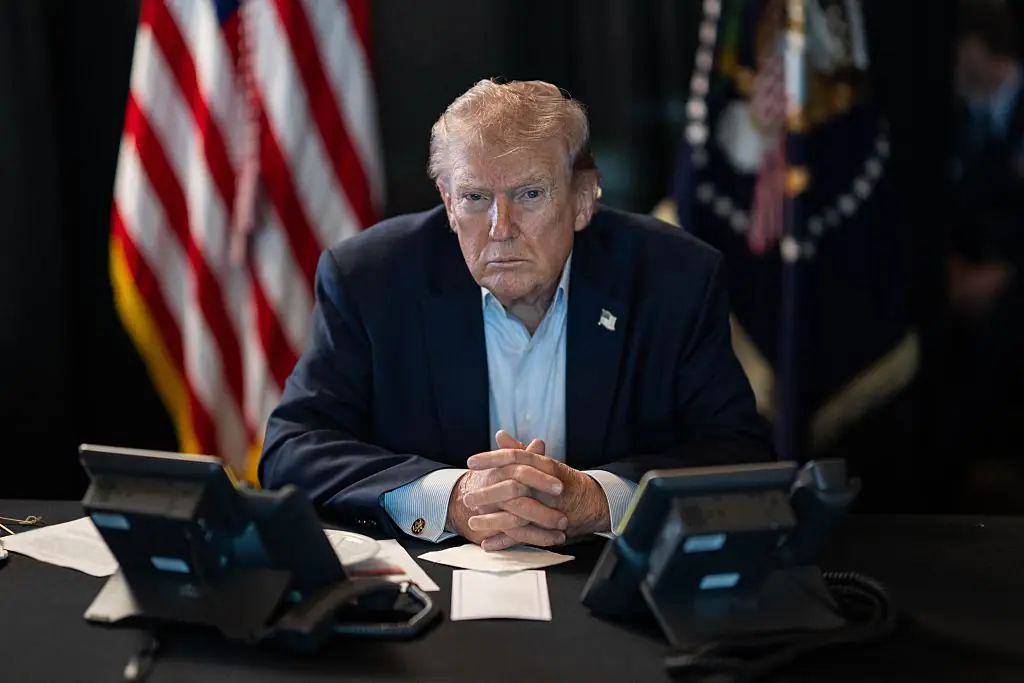
In response to the growing crisis, President Donald Trump made it clear on Monday (March 2) that the US is prepared to extend its military operations in Iran, despite initial estimates that the operation would end within weeks.
"Right from the beginning, we projected four to five weeks, but we have the capabilities to go far longer than that. We’ll do it," he said, per Daily Beast.
"Somebody said today, they said: ‘Oh, well, the president wants to do it really quickly; after that, he’ll get bored.' I don’t get bored. There’s nothing boring about this… No, I don’t get bored. I never get bored," he added.
The Most Dangerous US States
As the threat of global conflict looms, experts have been analyzing which states would be the most affected in the event of a nuclear war.
Newsweek previously conducted a simulation to assess the radiation exposure risk for various areas. The analysis, done before the US attacks on Iran, focused on the states most likely to face the immediate consequences of a nuclear strike.
According to the outlet, the states most at risk include: Montana, Wyoming, Colorado, Nebraska, South Dakota, North Dakota, Iowa, and Minnesota.
These states are vulnerable due to their closeness to military facilities, ICBM silos, and missile defense sites, which would be prime targets in the event of a nuclear attack.
The Safest US States in a Global Conflict
On the other hand, some states are considered less likely to be directly affected by a global war.
While no place is entirely safe in the event of a nuclear conflict, areas that are geographically isolated, far from military installations, or have low militarization are usually at lower risk.
The following 15 states are: Maine, New Hampshire, Vermont, Massachusetts, Rhode Island, Connecticut, New York, New Jersey, Pennsylvania, Delaware, Maryland, Virginia, West Virginia, North Carolina, South Carolina, Georgia, Florida, Alabama, Mississippi, Tennessee, Kentucky, Ohio, Indiana, and Michigan.
John Erath, Senior Policy Director for the Center for Arms Control and Non-Proliferation, told Newsweek that no one would be truly safe from the aftermath of a nuclear conflict.
"While those who live near military facilities, ICBM silos, or submarine bases along the coasts might bear the most immediate and severe consequences, there's no question: ANY nuclear war or weapons detonation would be bad for everyone," he said.
"Nowhere is truly 'safe' from fallout and other consequences like contamination of food and water supplies and prolonged radiation exposure," he added.