


World3 min(s) read
Hantavirus survivor revealed terrifying reality of contracting the infection as WHO warns it carries a mortality rate of up to 40%

A woman who contracted hantavirus, the disease that has killed three people on board a cruise ship, has spoken out about the three key symptoms she spotted that saved her life.
Hantavirus is most commonly transmitted through contact with infected rodent feces, urine, or blood, which is exactly how Debbie Zipperian became gravely ill.
The Montana native believes she caught the virus in 2011 after entering an old chicken coop on her ranch to collect her cat’s food dishes. The task, which took only a matter of minutes, resulted in her inhaling enough fumes of contaminated rodent droppings to make her seriously ill.

What are the most common symptoms of hantavirus?
While the symptoms took around a week to prevail, the three most notable were extreme fatigue, severe neck pain, and backache.
Despite her agonising symptoms, it took multiple hospital visits before doctors finally diagnosed her with Hantavirus Pulmonary Syndrome (HPS).
By the time she was admitted to the hospital, Zipperian was in critical condition, experiencing hallucinations, confusion, and respiratory failure.
She claims doctors struggled to place her on a ventilator because she was so distressed and difficult to sedate.
In a 2018 interview with KPAX-TV, Zipperian explained that she “flat-lined twice”.
Her husband later told her she had to be restrained because she became “hysterical like a rabid bobcat”.
Eventually, Zipperain regained consciousness after a week, but she was left with lasting spinal neurological damage. As a result, she had to relearn how to walk and reportedly still struggles with her memory and concentration.
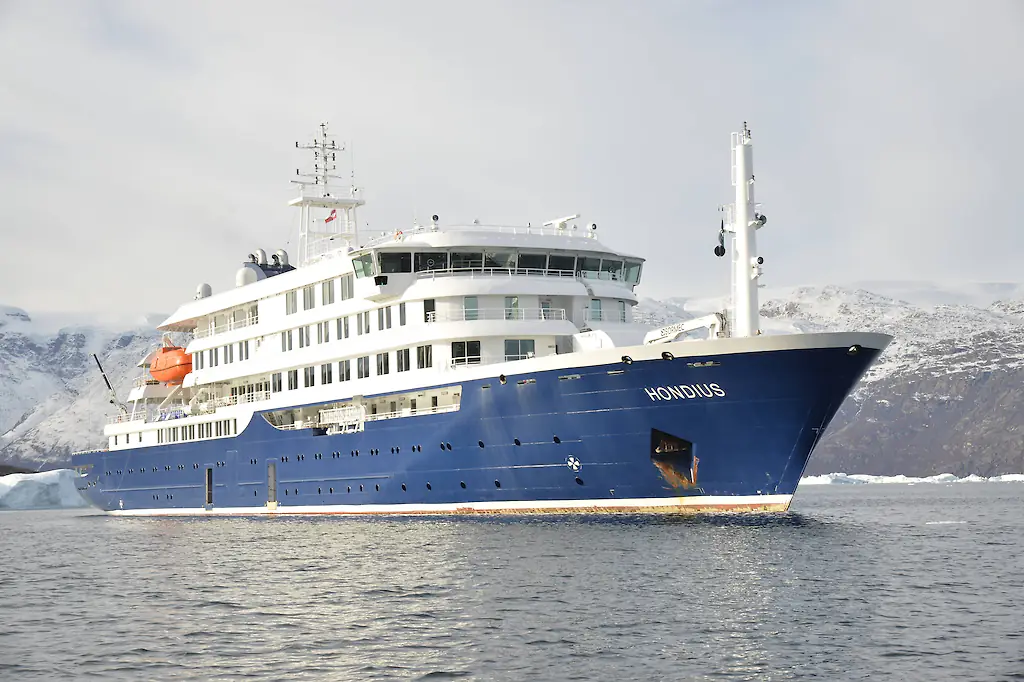
What is the latest update on hantavirus patients stuck on the cruise ship?
In good news for the passengers on board MV Hondius, the three suspected hantavirus case patients have just been evacuated to receive medical help.
Dr Tedros Adhanom Ghebreyesus, director-general of the WHO, said on X: “Three suspected hantavirus case patients have just been evacuated from the ship and are on their way to receive medical care in the Netherlands in coordination with WHO, the ship’s operator and national authorities from Cape Verde, the United Kingdom, Spain and the Netherlands.
“WHO continues to work with the ship’s operators to closely monitor the health of passengers and crew, working with countries to support appropriate medical follow-up and evacuation where needed.
“Monitoring and follow-up for passengers on board and for those who have already disembarked has been initiated in collaboration with the ship’s operators and national health authorities.
“At this stage, the overall public health risk remains low.”