


World Politics4 min(s) read
Scientists discover Chernobyl's mutant animals aren't actually mutants – something even wilder is happening

Scientists have discovered something peculiar about the wildlife that has thrived in Chernobyl, decades after the horror event.
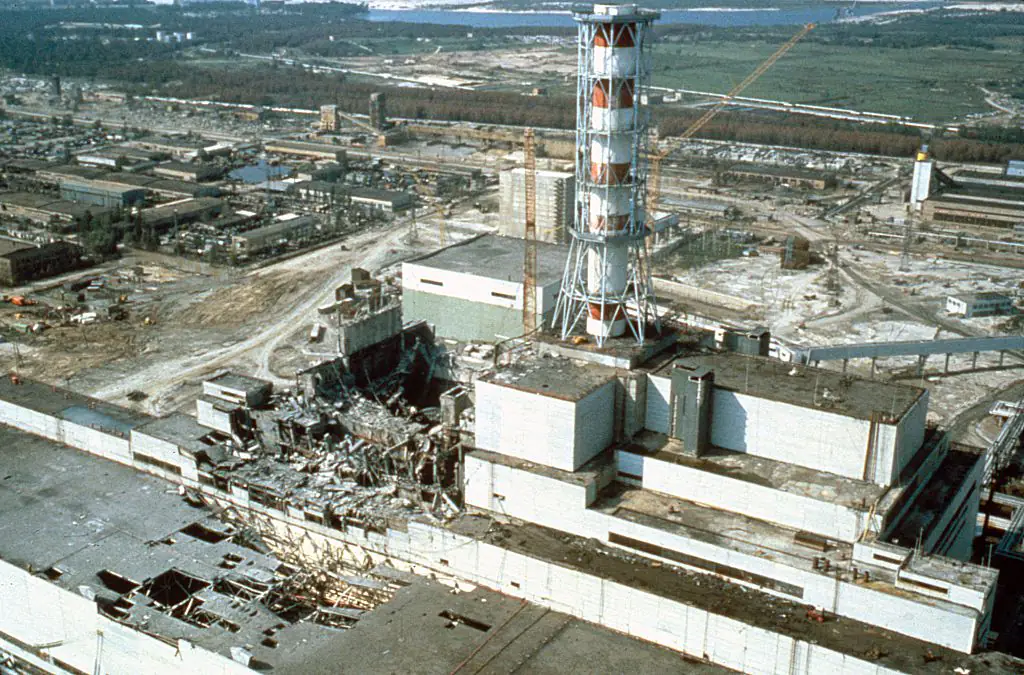
Back on April 26, 1986, reactor number four exploded during a steam test at a nuclear power plant in the Ukrainian city of Chernobyl (then the U.S.S.R.), killing 30 people instantly.
The surroundings would be exposed to radioactive waste, with radiation being detected in countries as far as Sweden.
Numerous civilians and workers in the city of Chernobyl would die from severe radiation poisoning, while others developed serious health issues and terminal illnesses after being exposed to harmful levels of radiation.
To this day, it remains the worst nuclear disaster in human history, as the surrounding area remains uninhabitable for humans, and it will remain to be for centuries at the very least.
But since the disaster, wildlife in the area has thrived.
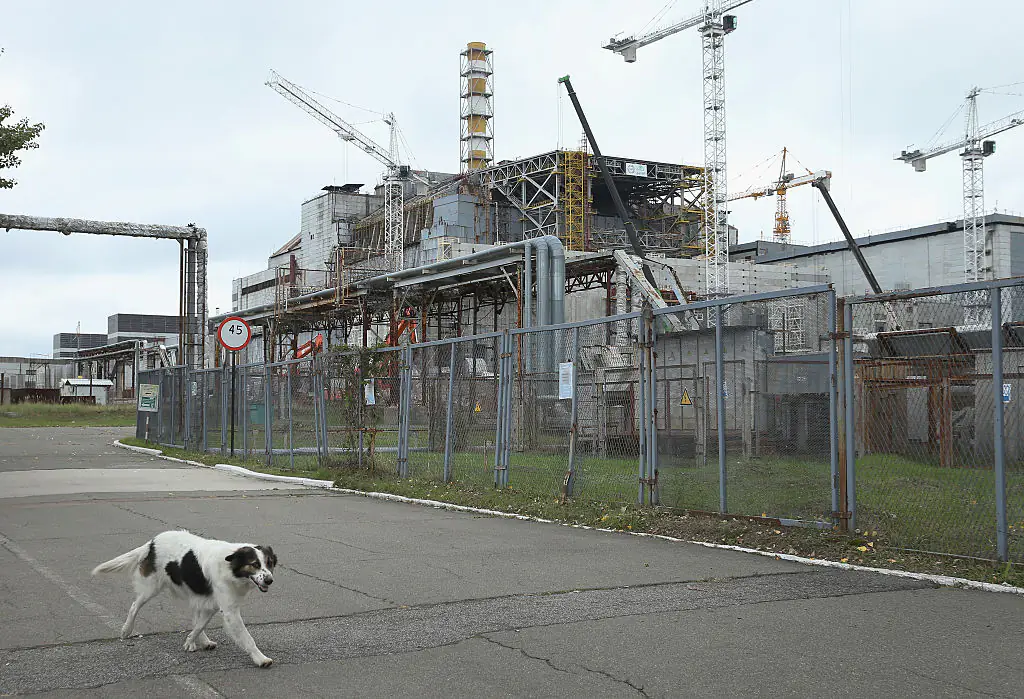
'Mutated' animals of Chernobyl explained
Many believe that the animals which have survived in the Chernobyl area have become mutated, maybe like those seen in The Simpsons, but this is far from the case.
Science expert and content creator Anton Petrov has made a video explaining this, titled 'Animals in Chornobyl Aren't Mutating, Something Stranger Is Happening'.
The Chernobyl Exclusion Zone has been guarded in the years since the disaster, while a dome has been built around the power plant itself.
But the area has become a home to many animals, such as wolves, wild horses, dogs, birds, and amphibians continuing to live among the radioactive contamination.
According to a 2022 study that examined microscopic worms, there were no signs of radiation-related genetic damage, despite the creatures living in contaminated soil.
Researchers believed the worms could withstand the conditions, rather than evolving new mutations to survive.
A team studied over 300 feral dogs in the area and found that those living near the power plant differed genetically to those living up to 16 kilometers away.

However, follow-up research uncovered no evidence of increased mutation rates, meaning that natural selection may have played its role, instead of mutations caused by radiation.
In fact, it was discovered that hundreds of genetic regions could have been affected by directional selection, such as those linked with DNA repair and immune responses.
Essentially, the theory is that dogs with advantageous pre-existing genetic traits are more likely to survive and reproduce over approximately 30 generations.
But eastern tree frogs found nearer to the reactor were found to be 44 percent darker than those outside the exclusion zone, with some appearing almost completely black.
Researchers said that this may be linked to melanin, which can protect the amphibians against radiation-related cellular damage.
Grey wolves showed differences in DNA
It was further found that grey wolves who thrive in the exclusion zone, with a population density seven times higher than nearby areas, had differences in their genetics.
A 2026 study discovered that there were differences in their immune cells, DNA repair pathways, and genetic markers.
This could indicate an adaptation to prolonged environmental stress.
Comparing wildlife here to other naturally radioactive areas, such as Kerala in India or Yangjiang in China, shows that organisms are capable of developing a radiation-adaptive response.
It means that they can increase DNA repair activity, antioxidant protection, and the removal of damaged cells.
A key reason, Anton suggests, is that animals in Chornobyl have thrived without the presence of humans, removing the threat of being hunted or otherwise disturbed.
Scientists could learn from these biological responses, which could even help to develop treatments for human diseases, or even protect astronauts from chronic cosmic radiation.