


World2 min(s) read
Seventh woman's body found dead near Johannesburg sparking serial killer fears

In South Africa’s largest city, Johannesburg, several women have been found dead over the last two months, and a tragic discovery on Tuesday morning brings the total number to seven, sparking fears that there is a serial killer on the loose.
While most of the women were reportedly found either partially or fully naked, cops say that they are not linking the deaths to a serial killer at this stage.
However, they are investigating the possibility that a group of people is behind the killings.
Only two of the seven women killed have been identified
At the time of writing, only two of the seven women have been identified. On Monday, September 14, police announced that one of the victims is Elizabeth Moselakgomo, a runner who disappeared last week, sparking an extensive public search.
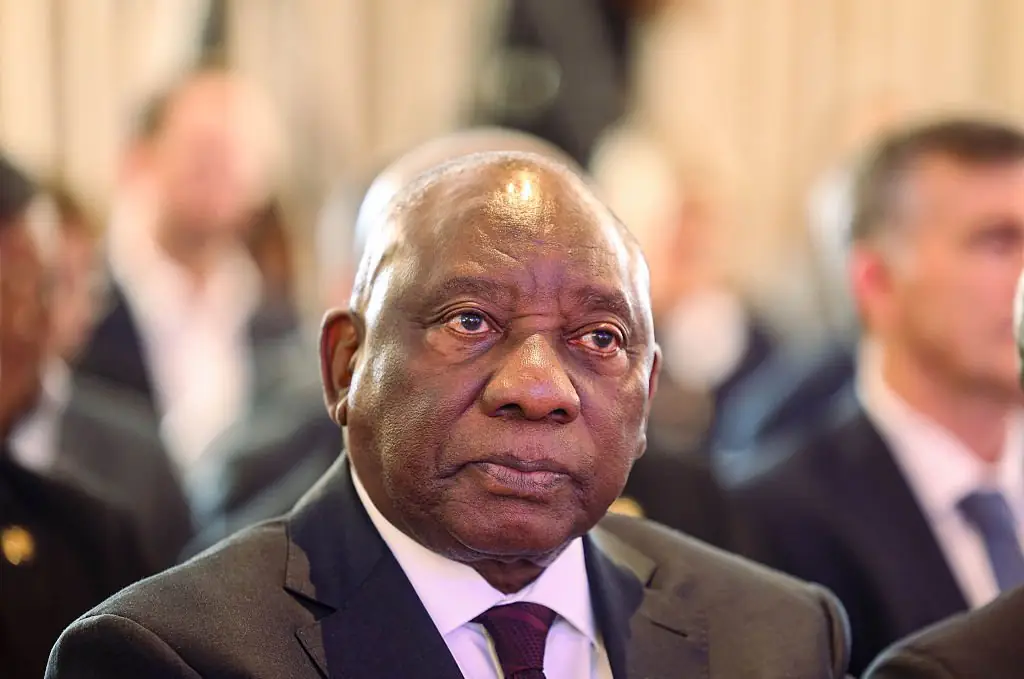
The country’s president, Cyril Ramaphosa, has sworn that “no stone will be left unturned” in finding the people responsible for the killings in and around the town of Kempton Park, north-east of Johannesburg.
He added: "These incidents are causing fear and uncertainty in our communities, and especially among women."
As the body of the first woman was found in mid-July, the second in late August and the others discovered this month, with two in the last two days, speculations about a serial killer operating in the area seem completely feasible.
South Africa has a huge problem with gender-based violence
According to UN Women, South Africa experiences some of the world’s highest levels of gender-based violence, as women are killed at a jaw-dropping rate of five times higher than the global average.
Understandably, the killings have triggered outrage and fear across the country of almost 62 million people, with many criticising authorities for failing to protect women against violence.
Tragically, authorities have urged women in the area to avoid walking or exercising outside alone, “particularly in isolated areas”.
South Africa's Commission for Gender Equality urged residents of Kempton Park to work with the police to find the perpetrators.
The body said in a statement: "These deaths are indicative that women in South Africa continue to face environments in which their ordinary freedom of movement can become a matter of life and death.
"Women should be able to run, walk to work, use public transport, return home, visit friends and participate in community life without having to calculate whether an ordinary activity could place their lives at risk."