


World2 min(s) read
Terrifying simulation shows exactly what happens to the human body in the aftermath of a nuclear war

As global tensions continue to rise, with the United States, Israel, and Iran in the midst of war, fears of a potential nuclear event have once again entered public discussion.
While such a scenario remains unlikely, simulations reveal just how devastating the human impact would be if the unthinkable ever happened.
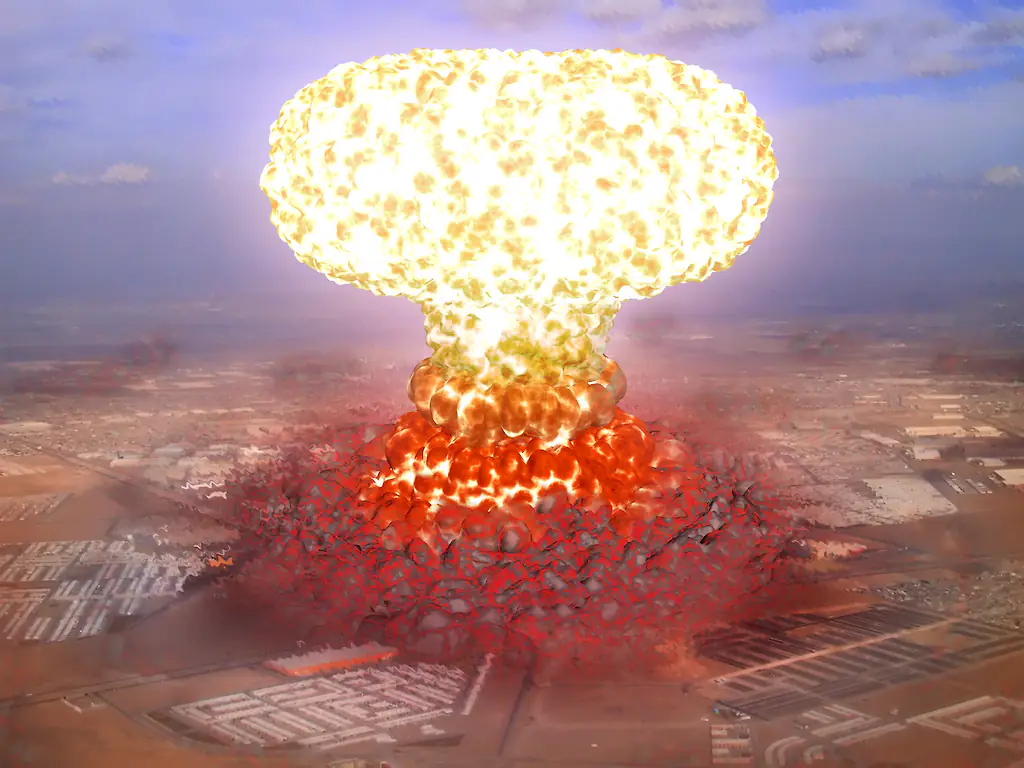
These models break down the effects of a nuclear blast into zones, showing in stark detail what the human body would endure depending on distance from the explosion.
Deadly blast zone
Closest to the blast is Zone 5, within roughly 200 metres of the detonation. Here, the fireball reaches temperatures hotter than the surface of the sun. Anyone caught inside this area would be killed instantaneously, with the body completely vaporized.
Just outside that is Zone 4, also within about 200 metres, where the heat is still intense enough to incinerate the human body almost immediately. Survival in this zone is virtually impossible.
Moving further out to Zone 3, around 350 metres from the blast, the damage remains catastrophic. This area experiences heavy blast force and extreme thermal radiation. Victims would suffer third-degree burns, along with severe internal injuries such as traumatic brain injury, collapsed lungs, and arterial gas embolism, a condition where air bubbles enter the bloodstream. Other effects could include hemoptysis (coughing blood), gastrointestinal hemorrhaging, and ruptured organs like the spleen and liver.
In Zone 2, approximately 600 metres away, the effects are still life-threatening but slightly less immediate. People in this range would likely suffer third-degree burns from the thermal pulse, as well as eardrum rupture and concussion injuries caused by the shockwave.
Even at Zone 1, about 1.27 kilometres from the explosion, the impact remains severe. Individuals could experience permanent blindness due to burned retinas from the flash of light, alongside second-degree burns. The blast wave may also cause temporary or permanent hearing loss.
Long-term impact of nuclear explosions
What makes these simulations especially chilling is how far-reaching the damage is. Even those over a kilometre away would not escape serious harm, highlighting the indiscriminate nature of nuclear weapons.
Furthermore, the simulation doesn't discuss the potential long-term impact of the nuclear explosion on the human body, with radiation poisoning, increased cancer risk, and other diseases listed as possible repercussions after exposure.

As geopolitical tensions continue to evolve, these models serve as a sobering reminder of the real human cost behind discussions of nuclear warfare — far beyond politics, strategy, or borders.