


World4 min(s) read
Tragic update on 'baby graveyard' where 796 infants were believed to be dumped in a septic tank
.webp_QQJmGo?tr=cr-345.0.1535.1190,f-webp,q-70,w-100)
In an update from County Galway, Ireland, the excavation of a former mother-and-baby home has uncovered a further 22 sets of infant remains, bringing the total discovered so far to 33.
This discovery highlights a tragic chapter in Irish history, where thousands of babies were reportedly buried in unmarked graves at the Tuam institution.
The site gained international attention in 2014 after local historian Catherine Corless uncovered troubling evidence: 796 death certificates for children who died at the home, but no corresponding burial records.
This prompted further investigations into the treatment of unwed mothers and their children at such institutions, particularly the one in Tuam, which operated from 1925 to 1961.
A Second Baby Graveyard Found in Tuam
As excavations continue, the discovery of a second graveyard at the Tuam site has been confirmed, with remains of almost 800 infants believed to be buried there, as reported by BBC News.
The excavation, led by the Office of the Director of Authorized Intervention in Tuam (ODAIT), began this summer after consistent evidence pointed to another burial ground near the original location.
This new site lies just over 100 yards from the septic tank where the bodies of 769 infants were initially believed to have been disposed of.
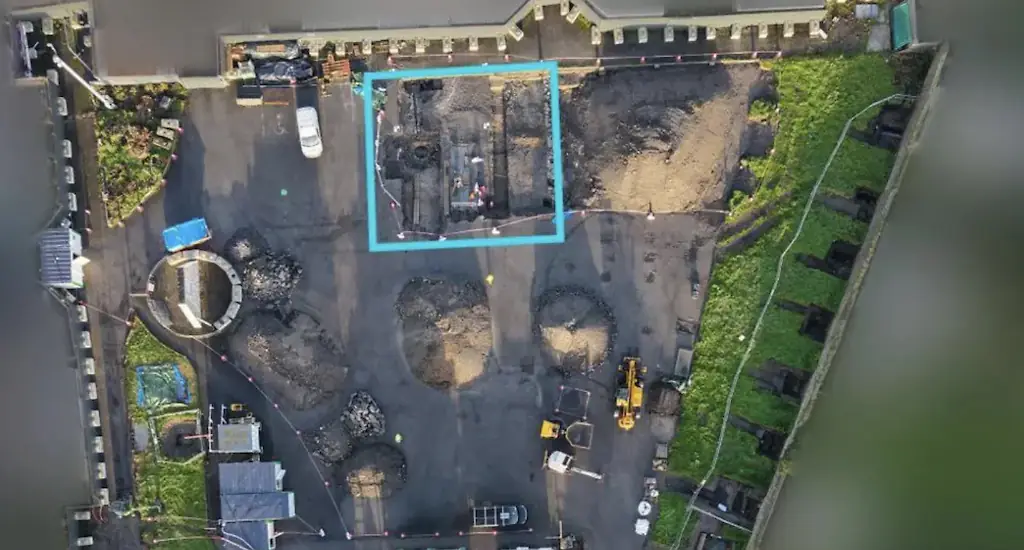
Daniel MacSweeney, Director of ODAIT, confirmed the findings, stating: “There were no surface or ground level indications of the possibility of a burial ground at this location prior to excavation.”
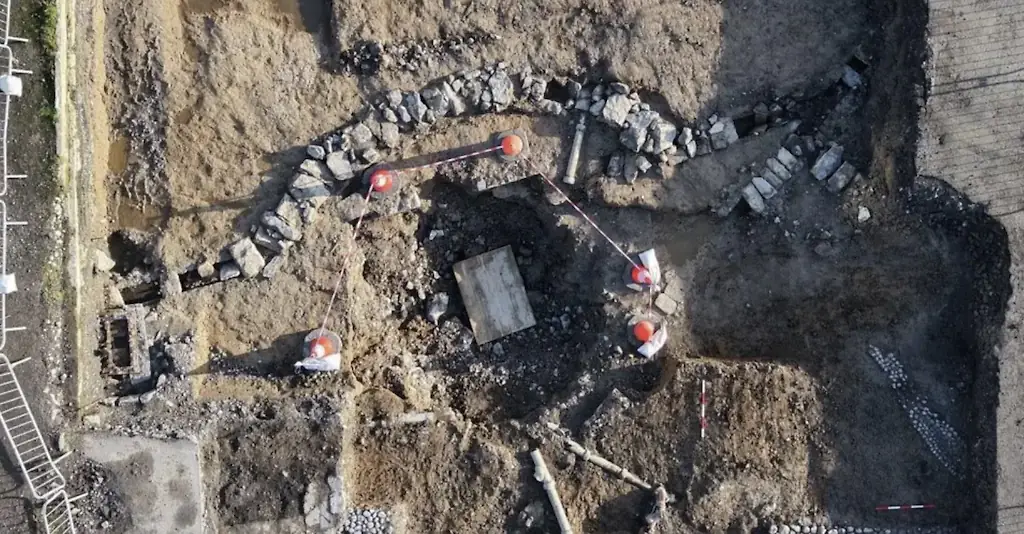
However, the discovery of the remains of 11 infants thus far has proven otherwise.
These remains, found in coffins, are now undergoing forensic testing to determine their origins and identities.
The Tragic History of Tuam’s Mother-and-Baby Home
The Tuam institution, run by the Bon Secours Sisters, was one of several similar homes in Ireland where unmarried women were sent to give birth in secrecy.
These women, often teenagers, were separated from their babies after birth, and the children were raised by nuns before being adopted - frequently without the knowledge of their mothers.
Many babies died at these homes, and the Tuam facility became infamous for its particularly high infant mortality rate.
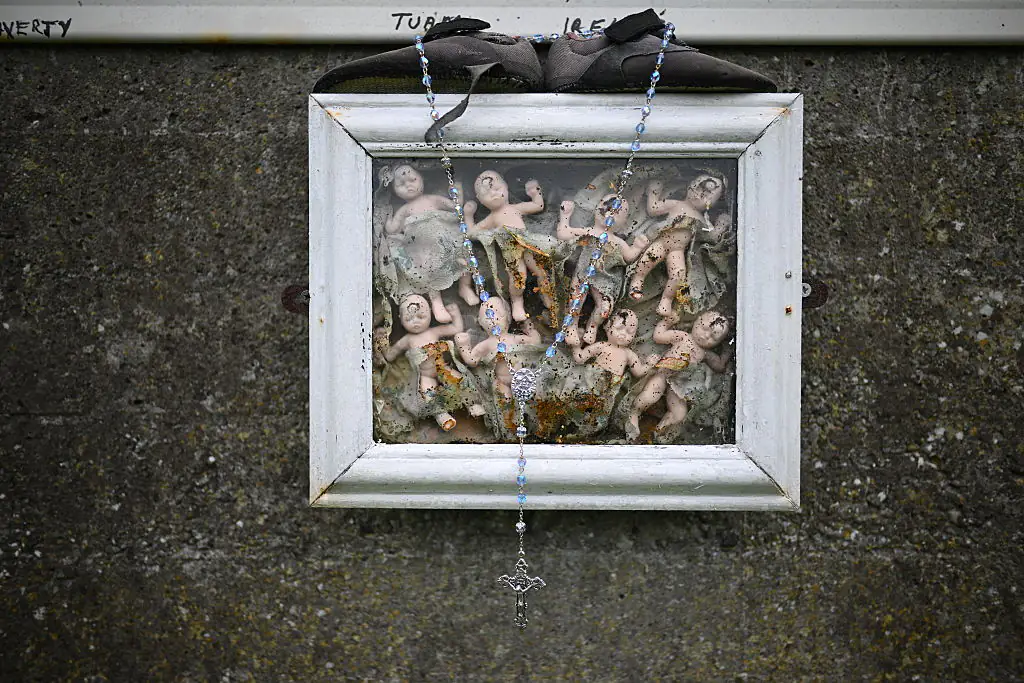
Although only two children from Tuam were buried in a nearby cemetery, it is estimated that around 800 infants died at the home between 1925 and 1961.
The cause of death for many was linked to the appalling conditions in the institution, which were exacerbated by Ireland's harsh religious conservatism at the time.
It’s believed that the majority of the bodies were disposed of in a septic tank, with little regard for the dignity or memory of the deceased.
The Tuam institution became widely known as "The Home" and was one of many facilities across Ireland where mothers faced shame, exploitation, and hardship.
For many of these women, giving birth was only the beginning of a lifetime of trauma, as they were forced to work without pay for up to a year after childbirth.
Ongoing Efforts to Identify the Victims
In an effort to identify the infants whose remains have been uncovered, over 160 people have already come forward to provide DNA samples.
The ODAIT has encouraged more potential relatives to step forward to assist with this ongoing process.
As of now, forensic analysis of the remains is underway, with experts working to determine both the identities and causes of death for the infants.
The Sisters of Bon Secours, the religious order that ran the institution, have previously acknowledged the "disrespectful and unacceptable" manner in which the babies were buried.
In addition to offering a public apology, they have contributed £2.14 million towards the cost of the ongoing excavation.
Similarly, Galway County Council, which owned the Tuam facility, also issued an apology in 2021 for failing the mothers and children who suffered within its walls.
The Investigation Will Continue Until 2027
The forensic excavation at Tuam is expected to continue until 2027, with follow-up work likely to extend beyond that.
Authorities remain committed to uncovering the full extent of the tragedies that took place at these institutions.
While more remains are expected to be uncovered, the ongoing investigations have already revealed just how deep the suffering went for both the mothers and the babies affected by the mother-and-baby home system.