


Uncategorised6 min(s) read
Plummeting profits, poor attendance and worldwide disdain: Can SeaWorld shows ever make a comeback?
.jpg_I4Ebof?tr=cr-0.338.2730.3068,f-webp,q-70,w-100)
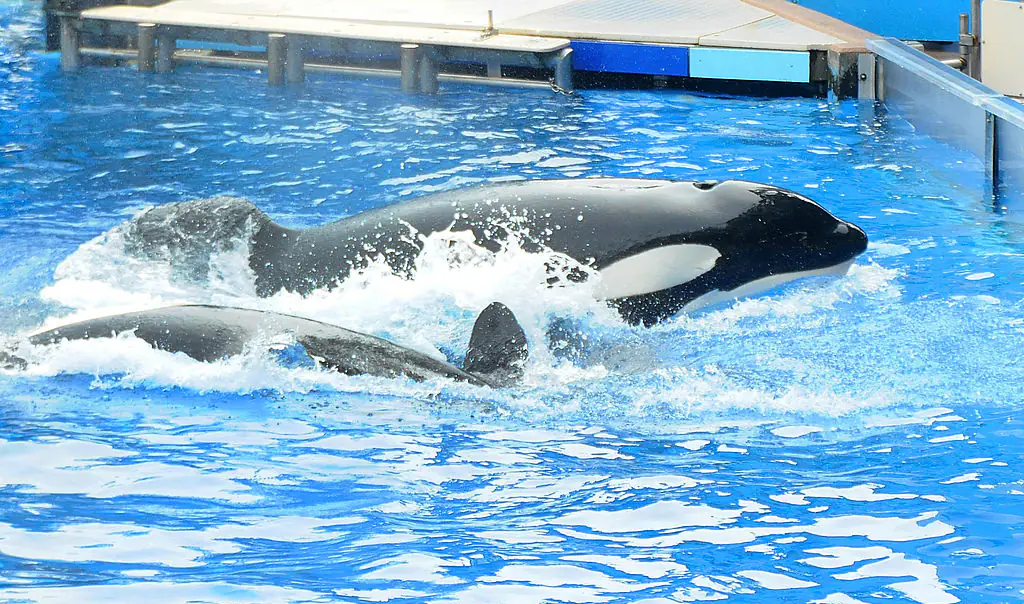
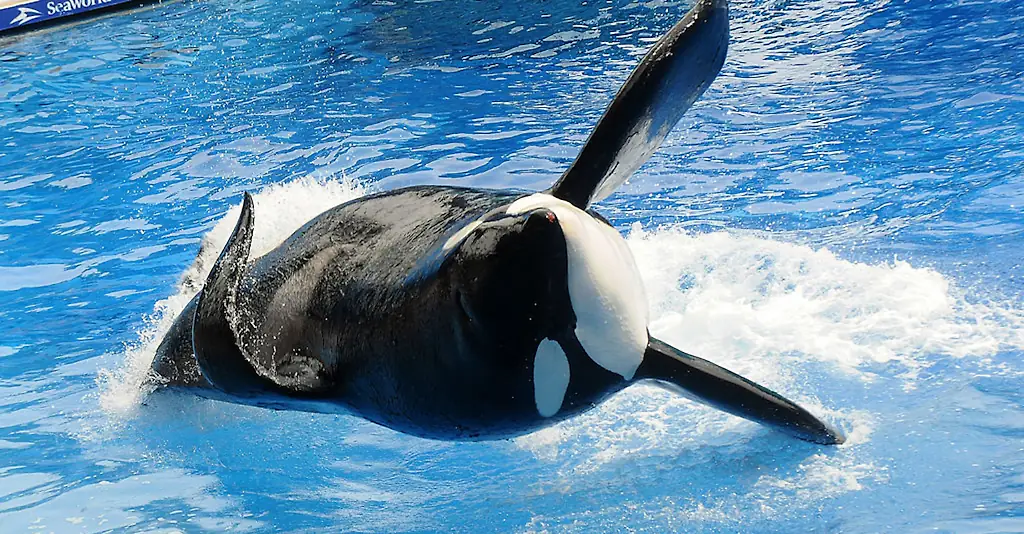
Before July 2013, no matter how many leaflets we were handed out by activists, or how dire their warnings about the fate of animals kept in captivity were, nothing quite made us feel guilty enough to make us stop watching SeaWorld shows. If we were completely honest with ourselves, we all knew that the minute tanks and forced performances were not ideal for the orca whales. And then along came the documentary "Blackfish". All of a sudden, after decades of bringing in billions of dollars, profits at SeaWorld plummeted by a monumental 84 per cent and attendance at the park suffered a 7.6 per cent drop. Suddenly people all over the world were renouncing the aquarium park.
Four years after the groundbreaking documentary movie, which followed the tragic tale of orca whale Tilikum and highlighted what captivity in pursuit of entertainment and profit can do to animals, the dust has still not settled. With the deaths of three orca whales in 2017 including the now infamous Tilikum, it is clear that SeaWorld is never going to be the same company it was. But could it be even better?
No one is making any promises, but it appears the key to making a successful comeback and rebuilding its family-friendly reputation is listening to the people who destroyed it in the first place. Many critics, former parkgoers, and potential customers have proclaimed that the first step is for the theme park to give the animal-loving audiences exactly what they want: A place where the animals had the freedom they had always been denied. And with the arrival of new CEO, Joel Manby, they have certainly made headway in doing so.
The new CEO threw himself into the park's recovery mission, mobilising a task force of four board members - code-named the Q Committee - to research possible paths on the orca issue. After nine months of studies, the group returned with an important find. Americans on average believed that keeping large creatures in small spaces was wrong. The writing was on the wall. SeaWorld needed to change, fast.
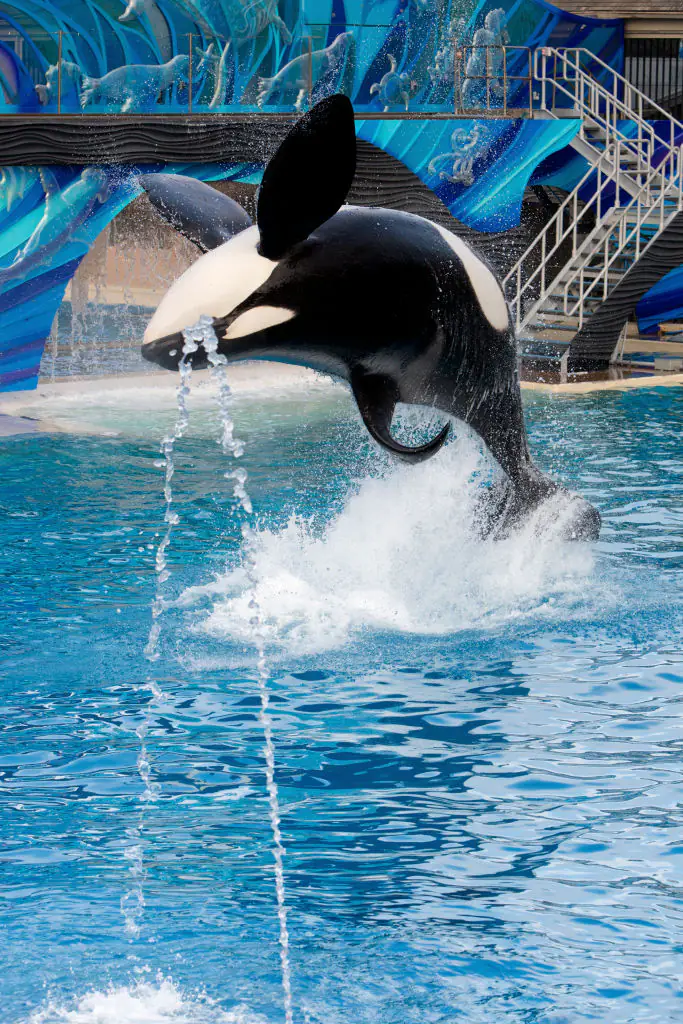
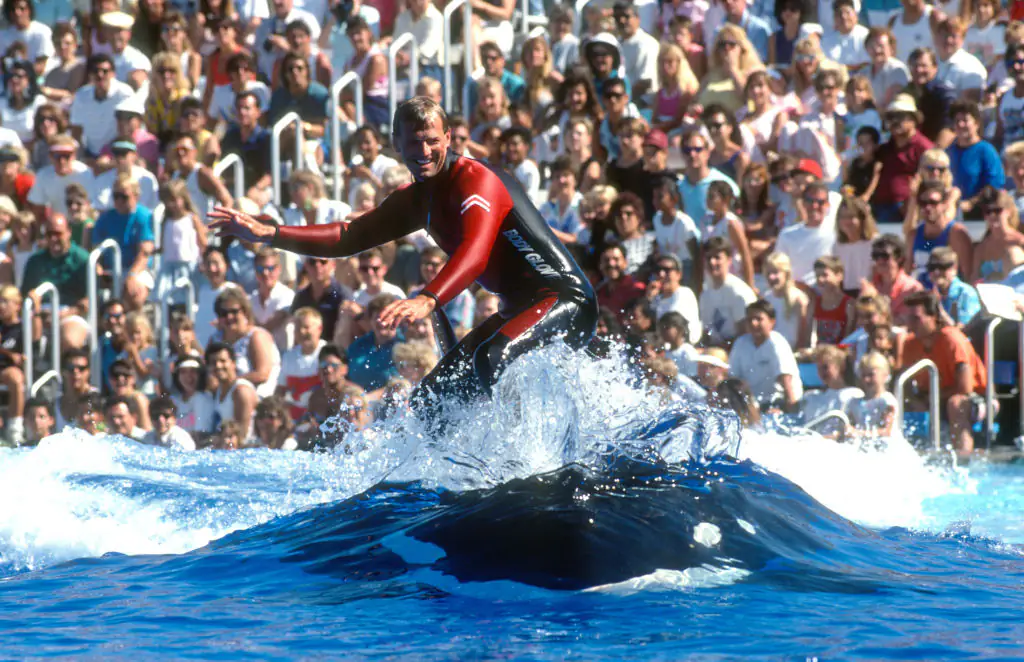
In response, they bid farewell to their Shamu SeaWorld show in Florida in early 2017 and announced that the entertainment show, which saw whales perform tricks and be rode by trainers, was scheduled to end at SeaWorld's parks in Florida and Texas sometime in 2019. Then, to everyone's surprise, in March 2016 they put out a statement claiming they would end their breeding program which saw orca whales masturbated by trainers and then artificially inseminated, resulting in stillbirths and inbreed whales.
But Manby knew that this wouldn't be enough to fix the park's problems, alongside their unsavoury reputation. Although SeaWorld, of course, has other attractions, the Shamu show was the centerpiece of their income and without it, they knew they were in trouble. They needed a brand new show that still had all of the awe and entertainment of Shamu, but that would treat the orcas kindly and gain public approval.
Cue Orca Encounter, SeaWorld's "unprecedented educational presentation seen nowhere else in the world." Rather than see the orca whales perform trick after trick, the 22-minute new show focuses on the animal's behaviour, placing a heavy emphasis upon learning more about the marine predators. It comes together with the company's repositioning as an animal-conservation, rather than an animal-entertainment, brand.
[[twitterwidget||https://twitter.com/BrieBrieBlooms/status/868574064016637952]]
Anyone who has seen the show has to admit that, while the whales in Orca Encounter do still take certain cues from trainers, it is a wholly different experience from Shamu. But perhaps not one that everyone wants.
"It's nice," one person told the outlet. "I miss the old days when they were in the water, doing tricks and stuff. But that has gone away." Another audience member agreed, telling them: "I learned a lot, but it wasn't as exciting as the older shows." Initial reviews of the SeaWorld shows are mixed and exemplify the inherent conflict of interest between SeaWorld’s rescue objective and its profit model. By attempting to recast themselves as an educational company, they seem to be at threat of losing the fans who came for the entertainment of watching whales perform astonishing stunts.
[[twitterwidget||https://twitter.com/FreeAllWhales/status/898119146222866432]]
[[twitterwidget||https://twitter.com/TilikumCo/status/870373567615176705]]
In spite of how much fans like the new show, that's not to say that the company is suddenly white as snow. In order to make a successful comeback, they not to acknowledge their past and show audiences that the future is completely different. But with PETA insisting that the new SeaWorld show has the same kinds of abuses taking place as Shamu, the company has a long way to go in rebuilding their image.
The theme park sparked public outrage yet again when they refused to create enclosed sea pens for the orcas in the ocean (due to the fact the animals couldn't be released into the wild again) claiming the parks' tanks are the "home" of the whales and that they were "thriving" where they were. Instead, they would expand the orca's tanks, proposing to double the habitat in a $100 million plan, which many insisted would not significantly improve the space the large animals - which normally swim up to 100 miles a day in the ocean - had. In 2016 it became clear this plan would not happen.
In addition, while the importance of the treatment of the orca whales at Seaworld can't be underestimated, there is one thing that many people forget at SeaWorld - the other animals. Although the spotlight has been on the orcas for a long time now, animal activists have strived to make it clear that the whales are not the only ones apparently suffering under SeaWorld's power.
Dolphins, sea lions and other breeds of whale are only a few of the other animals SeaWorld owns. Although orcas are now, depending on which way you look at it, "retired" from big performances, some of these animals are reportedly still held in captivity and destined to take part in shows for human entertainment. This is, of course, in addition to being forced to breed, separated from their families and given unsuitable living conditions, alongside a whole range of other problems.
Although they don't appear as immediately problematic as the orcas, perhaps because they aren't killing anyone, animal activists insist that these animals deserve to be paid attention to. And they're right. If SeaWorld is to gain esteem in the public eye again, they must be seen to treat all, each and every one of their animals well. If they do not evolve alongside public opinion, they will simply become a relic of the past, forever cast in the public eye as a place which never cared for animals.
With the death of a third killer whale in August 2016 and former trainer John Hargrove naming the theme park "a disgrace to humanity," it certainly looks like that is the way it could go. As much as the present-day SeaWorld seeks to make a comeback by pulling our attention away from their track record, pouring money into new rides and resort destinations, their shameful past will never quite be forgotten. And, if you ask my opinion, it never should be.


.jpg_uhTbZG?tr=cr-0.0.1024.686,f-webp,q-70,w-1024)
.webp_QQJmGo?tr=cr-345.0.1535.1190,f-webp,q-70,w-100)

.jpg_I4Ebof?tr=cr-0.338.2730.3068,f-webp,q-70,w-1024)


.jpg_aA9jSH?tr=cr-0.0.1024.532,f-webp,q-70,w-525,h-200)


.webp_QQJmGo?tr=cr-345.0.1535.1190,f-webp,q-70,w-1024)