


Innovation3 min(s) read
Scientists solve large Bermuda mystery after fascinating discovery

The reason that the small island group in the North Atlantic Ocean is able to float above the ocean floor despite its volcano's most recent eruption being over 30 million years ago has finally been discovered by scientists.
Bermuda, a popular tourist destination and home to approximately 64,00 people, has baffled scientists and geologists for generations as this type of island structure typically needs regular infusions of volcanic heat to keep it afloat.
The Bermuda Rise is a huge underwater plateau that has mysteriously kept the sea floor surrounding the islands around 1,600 to 3,300 feet higher than the normal deep-sea floor rocks of the same age.
Finally, scientists have dismantled the mystery of why the rise has stayed elevated for tens of millions of years, although there are no active volcanoes keeping it up.
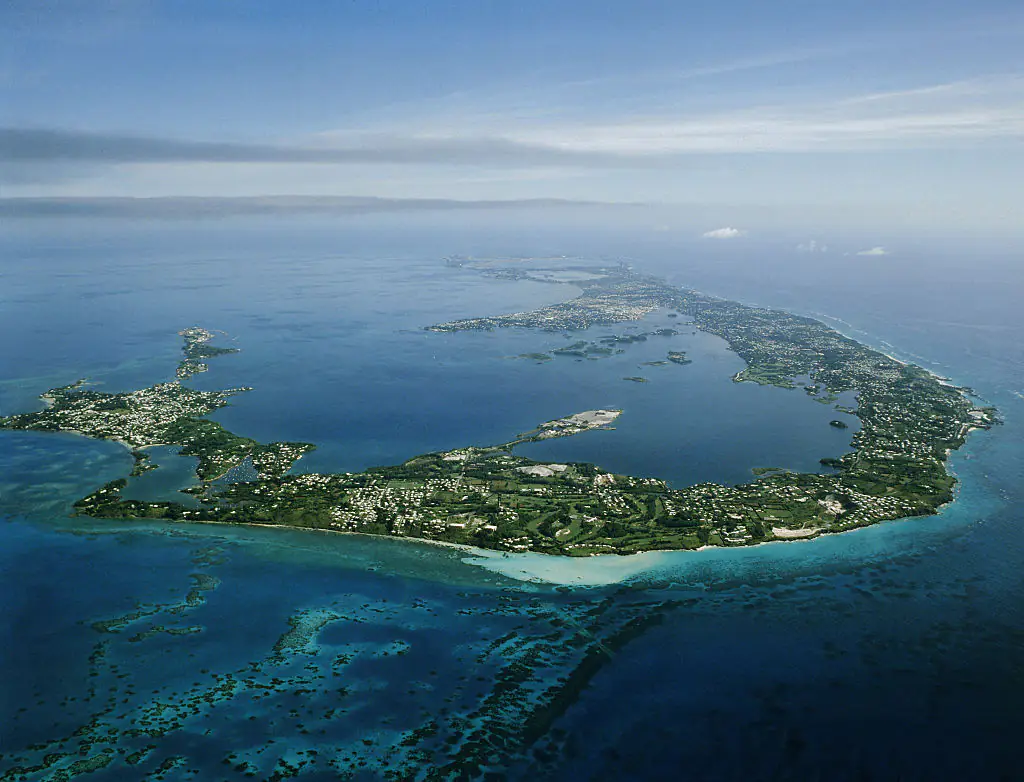
Why do the islands stay afloat?
In a groundbreaking discovery, a team from the Carnegie Institution of Washington and Yale University found a hidden structure under Bermuda formed after the area's final volcanic eruption, which has kept the islands afloat since dinosaurs were roaming them.
Around 1050 kilometres east of the coast of North Carolina, the team identified an extra, hidden slab of rock sitting directly beneath the island’s normal ocean crust.
The rock formation is around 19 kilometres thick and lighter than the surrounding rock, so it floats on the ocean’s surface and keeps the entire area raised.
It is believed by researchers that the lighter layer formed around 30 to 35 million years ago when molten lava from inside the earth’s core spread out underneath the crust, then cooled and hardened.
This rock is lighter than the surrounding mantle rock as it is composed of lightweight volcanic magma, which is about 1.5 percent less dense, creating the exact amount of buoyancy needed to hold the Bermuda area 1,300 to 2,000 feet higher than the normal deep ocean floor.

How did scientists make the discovery?
The ocean’s swell surrounding Bermuda has been attributed to a historic geological event, which proved that volcanic leftovers can keep islands.
In contrast, most raised ocean areas rely on active volcanoes to stay afloat amongst the waves.
Scientists used more than 20 years of natural earthquake vibrations recorded by a single seismic listening station right on the island to make this discovery without having to drill into the ocean floor.
They tracked how fast-moving earthquake pressure waves, which squeeze and stretch rock, suddenly convert into slower side-to-side shaking 'shear' waves every time they hit a boundary between rock layers.