


World4 min(s) read
Every country linked to hantavirus as WHO issue statement on likelihood of it 'becoming next covid pandemic'

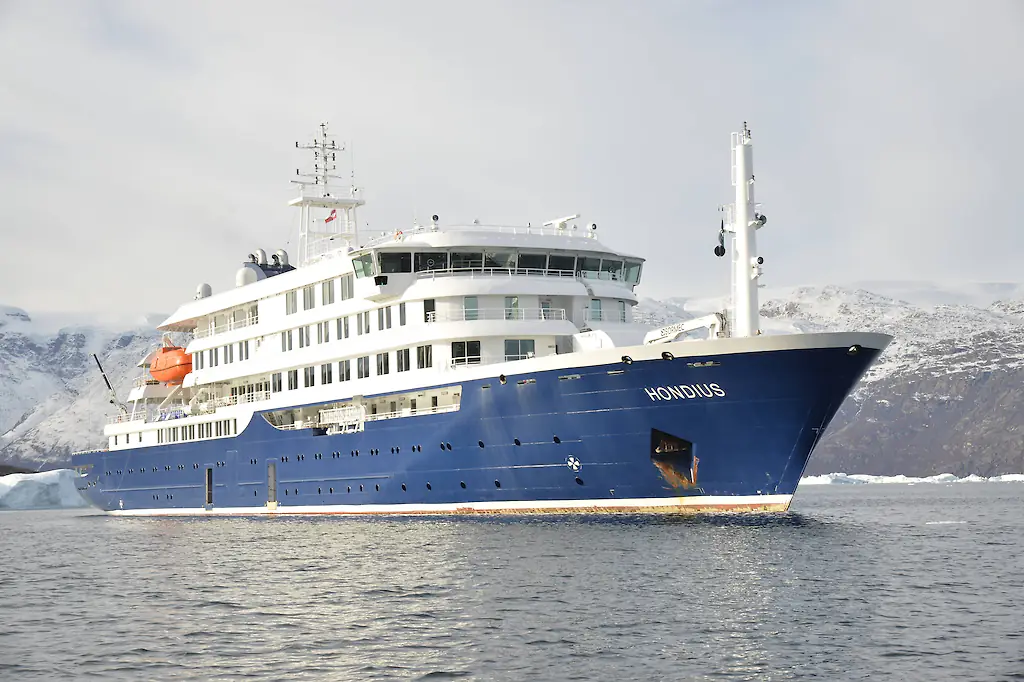
These are all the countries linked to hantavirus, which has left three passengers on the MV Hondius cruise ship dead.
An elderly Dutch couple and a German woman tragically died after contracting the virus, while a British passenger was evacuated to South Africa, where he remains in critical condition.
Authorities are now racing to track around 150 passengers and crew members from 23 different countries who were onboard the luxury liner.
WHO Responds To Fears Of Another Pandemic
The World Health Organisation confirmed it is coordinating with governments around the world to limit further spread.
"In line with the International Health Regulations (IHR), WHO is working with relevant countries to support international contact tracing, to ensure that those potentially exposed are monitored and that any further disease spread is limited," they said, per The Mirror.
The outbreak has led to fears that hantavirus could become another global pandemic similar to COVID-19. However, WHO epidemiologist Maria Van Kerkhove said the situation is serious but should not trigger panic.
"This is not the next Covid, but it is a serious infectious disease. If people get infected, and infections are uncommon, they can die. People on the ship who are hearing this are very scared, rightly so," she said, per ABC News.
"The general public might be scared as well. Accurate information is critical. Knowing what your actual exposure might be - most people will never be exposed to this," Van Kerkhove added.

What Is Hantavirus?
Hantavirus is a group of viruses carried by rodents such as mice and rats and spread through their urine, droppings, and saliva.
People can become infected by inhaling particles from contaminated rodent waste or by touching infected surfaces and then touching their face. Rodent bites can also spread the virus, although experts say this is extremely rare.
According to the WHO, hantavirus can cause two severe illnesses: hantavirus pulmonary syndrome (HPS), which attacks the lungs, and hemorrhagic fever with renal syndrome (HFRS), which affects the kidneys.
The symptoms can initially resemble the flu before rapidly becoming life-threatening.
Every Country Currently Linked To The Outbreak
Health officials around the world are now monitoring passengers who either remained onboard the cruise or had already returned home before the deaths were confirmed.
- South Africa
A British passenger who tested positive for the virus remains in critical condition in the hospital.
The 69-year-old Dutch woman who later died reportedly became seriously ill during a flight to Johannesburg and died after arriving at an emergency department on April 26.
- Netherlands
British passenger Martin Anstee, 56, was evacuated from the cruise on May 6 and transferred to the Netherlands for treatment.
A 41-year-old Dutch crew member and a 65-year-old German passenger were also flown there for medical care.
- United Kingdom
Two British passengers who left the MV Hondius in late April are currently self-isolating at home in the UK, although neither has shown symptoms.
- Switzerland
Swiss health authorities confirmed that a man who had disembarked before the deaths later visited a hospital in Zurich after receiving warning emails from the cruise operator. He later tested positive for hantavirus.
- United States
Officials in California, Georgia, and Arizona are monitoring possible infections involving passengers who returned home following the cruise.
- Argentina
The cruise departed from Argentina one month ago. WHO officials said the Dutch couple who died had travelled through South America, including Argentina, before boarding the ship.
- Singapore
Two Singapore residents, aged 67 and 65, are self-isolating and being tested after returning from the cruise.
Both men had been on a flight from St Helena to Johannesburg alongside a confirmed hantavirus case.

Cruise Ship Stranded As Countries Respond
The MV Hondius was stranded off the coast of Cape Verde for three days after it was not allowed to dock on the island.
Spain later agreed to allow the vessel to dock in the Canary Islands because it was considered the "closest location with the necessary capabilities".
Evacuations are expected to begin next Monday, according to the Spanish interior ministry.
However, Canary Islands president Fernando Clavijo publicly objected to the decision. "I cannot allow [the boat] to enter the Canaries," he said, per The Mirror.
Passengers onboard the cruise were from countries including the UK, USA, Spain, France, Germany, the Netherlands, Canada, Australia, Turkey, Japan, Greece, Belgium, Ireland, Argentina, and New Zealand.
Crew members came from countries including the UK, the Netherlands, the Philippines, Spain, Germany, Poland, Ukraine, Portugal, Russia, India, Montenegro, and Guatemala.