


Space4 min(s) read
NASA’s chilling order seconds after space shuttle Columbia broke apart, killing all seven astronauts

The Space Shuttle Columbia broke apart as it re-entered Earth's atmosphere on February 1, 2003, killing all seven astronauts on board.
The spacecraft was minutes from landing in Florida when it disintegrated over Texas, and this sent debris across several states.
As Mission Control struggled to understand what had happened, flight controllers desperately tried to contact the crew.
But the silence was eventually followed by a harrowing order that confirmed their worst fears.
NASA's chilling order after losing contact with Columbia
At approximately 9:12AM, around 12 minutes after Columbia broke apart, Entry Flight Director LeRoy Cain instructed Ground Control Officer Bill Foster to "lock the doors," per Daily Star.
The instruction triggered NASA's emergency procedures, requiring flight controllers to stay inside Mission Control, preserve all mission data, and document events for the investigation.
Cain told the room: "OK, all flight controllers on the Flight loop, we need to kick off the FCOH [Flight Control Operations Handbook] contingency plan procedure, FCOH checklist, page 2.8-5. No phone calls, no data, in or out."
By then, officials knew there was no hope of bringing the astronauts home.
What caused the Columbia disaster?
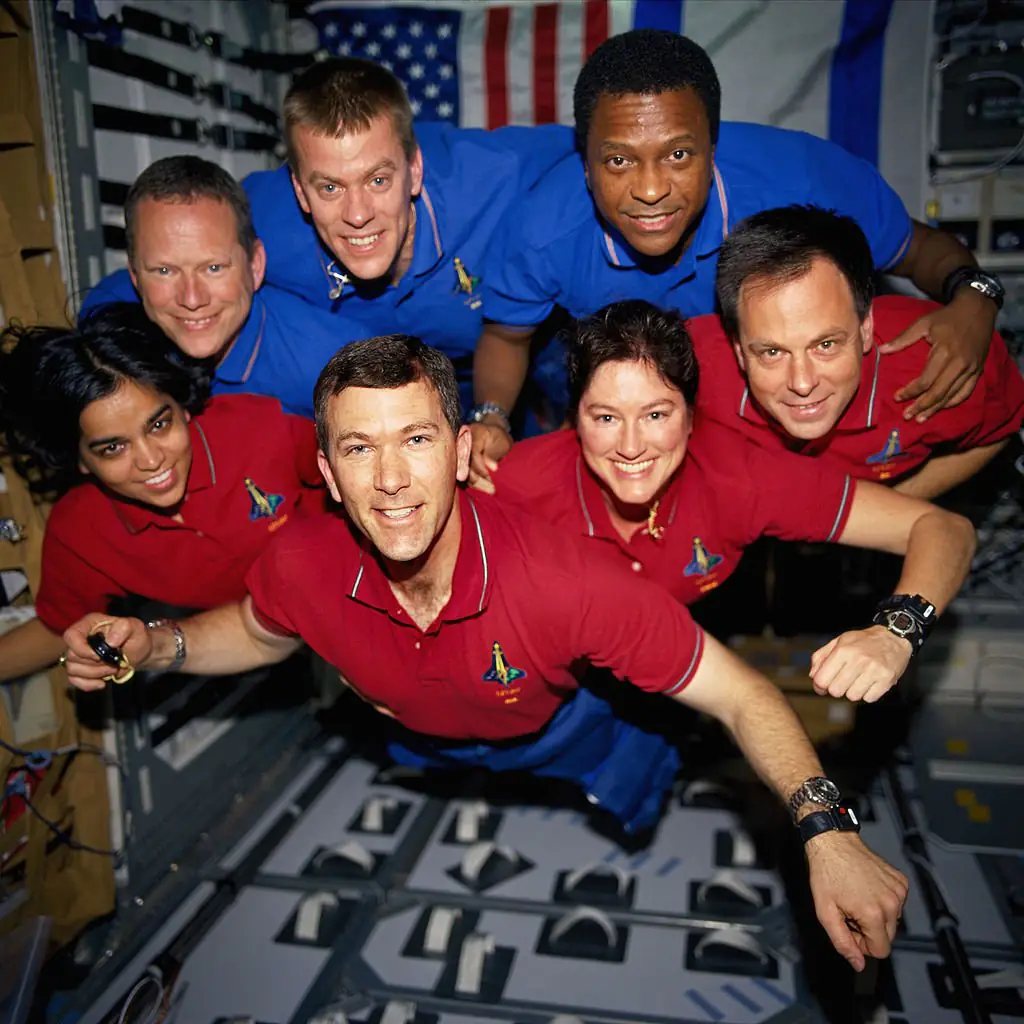
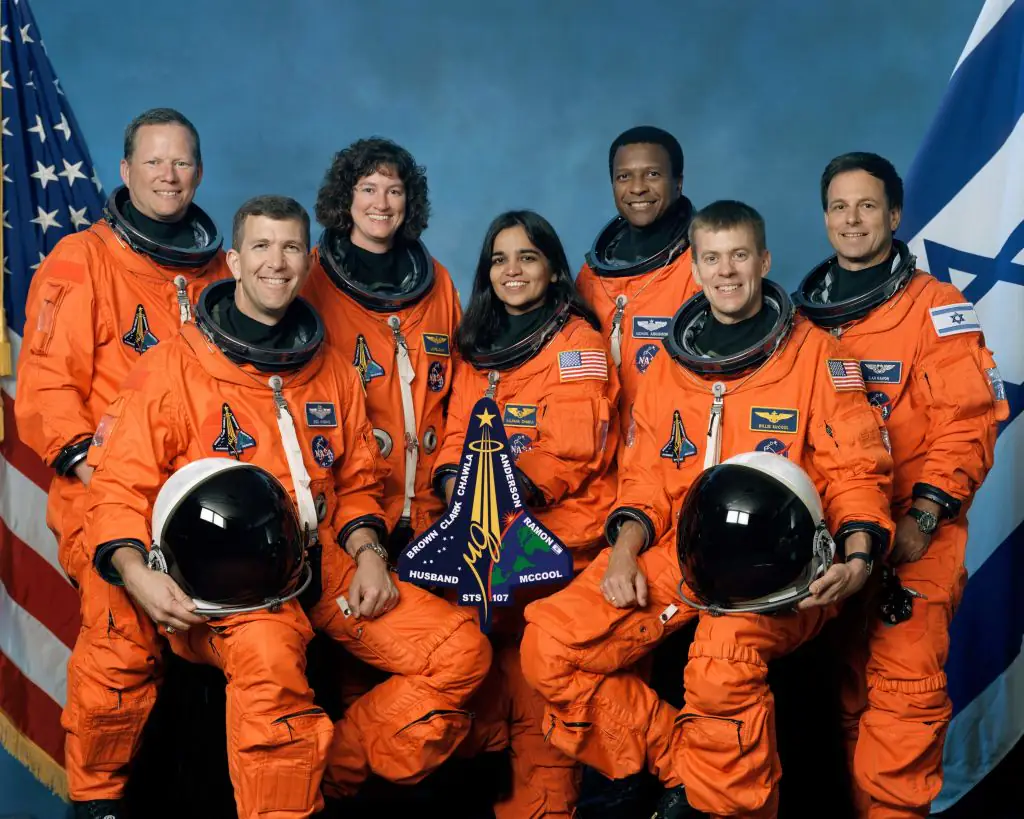
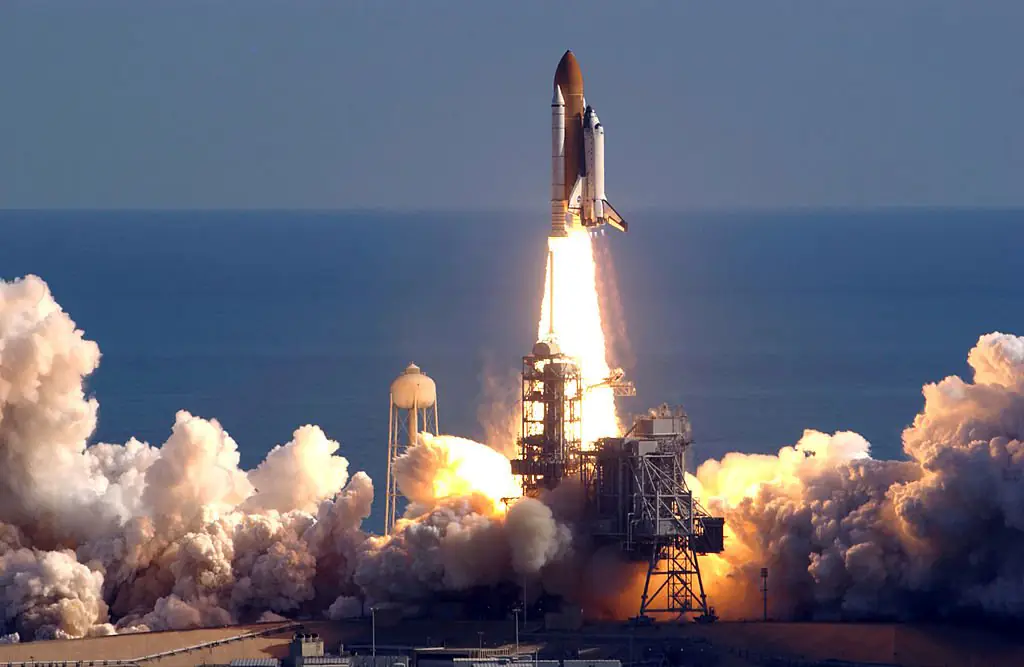
Columbia had launched on January 16, 2003, carrying seven astronauts: Rick D Husband, Payload Commander, Michael P Anderson, Mission Specialist Kalpana Chawla, Mission Specialist Laurel Blair Salton Clark, Mission Specialist David M Brown, Mission Pilot, William McCool, and Payload Specialist, Ilan Ramon.
The mission took place 17 years after the Challenger disaster, which also claimed the lives of seven astronauts.
Although Columbia's launch seemed successful, a suitcase-sized piece of insulating foam broke away from its external fuel tank about 82 seconds after liftoff.
The debris struck the spacecraft's left wing and ended up damaging its heat-resistant protection system.
While engineers raised concerns about the impact, the damage was not deemed serious enough to endanger the mission. However, during re-entry on February 1, superheated gases penetrated the damaged wing, causing the spacecraft's structure to deteriorate.
At approximately 8:52AM, Mission Control began seeing bizarre readings from sensors in Columbia's left wing.
Four temperature sensors appeared to have stopped working, prompting concerns among flight controllers. But despite the abnormalities, the spacecraft initially appeared to be flying normally.
However, minutes later, sensors began reporting alarming readings, including problems with the landing gear's tire temperatures and pressures.
Mission Control repeatedly tried to contact the astronauts. Commander Husband briefly responded with "Roger" and then "uh, buh…" before communications abruptly stopped. Those were the final words heard from Columbia.
As reports emerged of debris streaking across the Texas sky, NASA officials waited for the spacecraft to appear on Florida's long-range radar, but nothing appeared.
Cain later explained: "That was the absolute black-and-white end. If the radar is looking and there’s nothing coming over the horizon, the vehicle is not there."
Investigation revealed the astronauts' final moments
Following the disaster, an extensive search operation recovered the remains of all seven astronauts.
Investigators determined that damage caused by the foam strike during launch had led to Columbia's destruction.
A separate NASA crew survival investigation, released in 2008, concluded that the astronauts were likely conscious during the initial loss of control.
However, the crew cabin rapidly lost pressure around the time the spacecraft broke apart, and this likely caused the astronauts to lose consciousness within seconds.