Uncategorised3 min(s) read
weird2 min(s) read
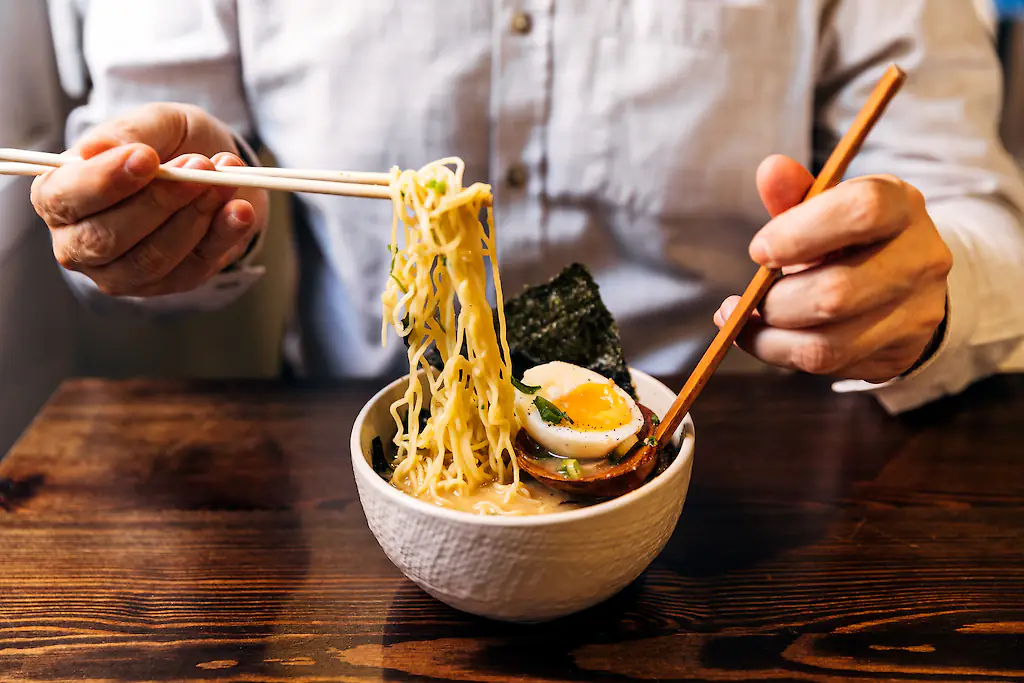
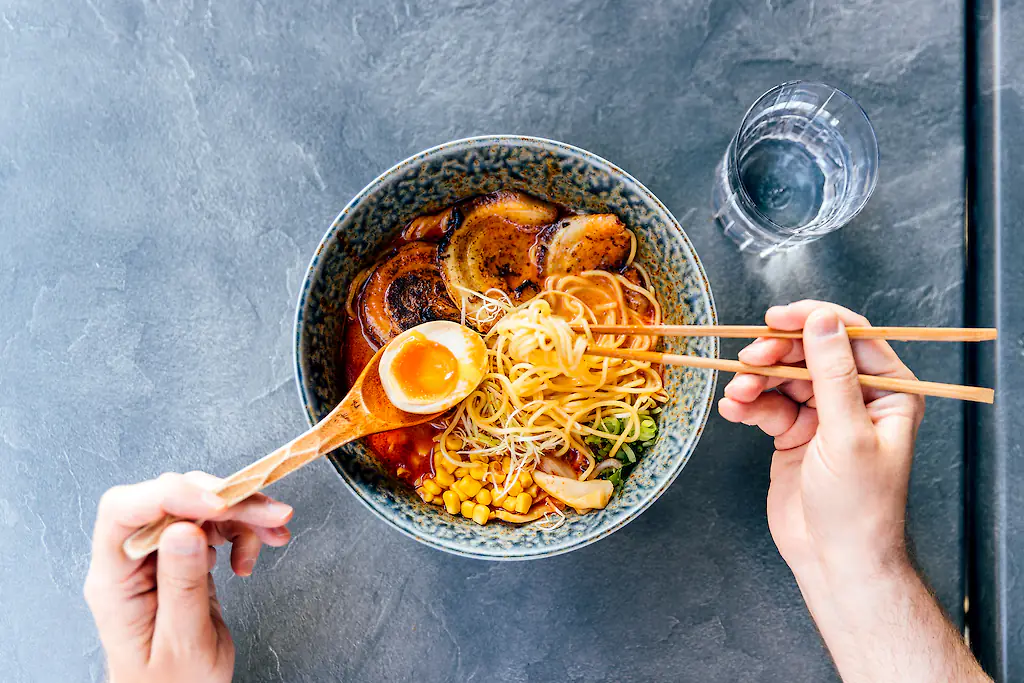
A study has delivered some bad news for foodies everywhere; too much of this one meal could actually increase the risk of dying earlier.
Researchers from Yamagata University School of Medical Science in Japan studied more than 6,500 adults aged 40 and over, analyzing their consumption habits.
Participants were divided into four groups based on how often they tucked into the popular dish: less than once a month, one to three times a month, once or twice a week, and three or more times a week.
Alarmingly, men under 70 who ate ramen three or more times a week were found to have a higher risk of death compared to those who ate it less frequently.
Ramen (typically served in a rich, salty broth with slices of pork, seaweed and vegetables) is a staple in Japan and loved worldwide. But scientists say it could be the sodium-packed broth doing the real damage.
“Ramen noodles and their soup contain high salt content; therefore, frequent intake can lead to high amounts of sodium, which may increase the risk of salt-related diseases, such as stroke and gastric cancer,” the researchers explained in the study.
It wasn’t just slurping the noodles that raised health concerns. The study noted that people who finished half or more of the broth had an even higher mortality risk.
The researchers also found that regular ramen eaters were more likely to smoke, drink alcohol, and struggle with weight gain. Combined with heavy ramen consumption, these habits created what scientists called a ‘significantly higher risk of death’.
Over the four-and-a-half year follow-up period, 145 participants died; 100 from cancer and 29 from heart disease.
While the findings are concerning, the scientists cautioned that the research was observational, meaning it doesn’t prove ramen itself directly causes early death.
Still, the authors concluded: “Frequent intake of ramen noodles might be associated with mortality risk in men aged under 70 years, especially those who consumed more than half of the noodle soup and alcohol.”
So, while ramen might be the ultimate comfort food, it looks like moderation is key, particularly when it comes to drinking down the salty broth.
lifestyle3 min(s) read
You've been told over and over again if you want to get anywhere near a flat stomach or a six-pack, you have to watch what you eat - namely, up the protein and stay away from the pizza. Difficult to implement, but incredibly satisfying to achieve.
While you may have just gotten the hang of tracking your macros, you may need to stop, especially if you're a man of a certain age. A new study has found that middle-aged men who follow high-protein diets may be at higher risk of heart failure.
Middle-aged men who follow high-protein diets, such as the Atkins, keto or paleo diet may be at risk according to a study published in Circulation: Heart Failure, an American Heart Association journal. The experiment surveyed 2,441 men aged between 42 and 60 for an average period of 22 years. Over the course of the study, 334 cases of heart failure - when the body is unable to pump enough blood and oxygen to remain healthy - were diagnosed.
The researchers divided the participants into four groups based on the types of protein they consumed on a daily basis. They found that the men who ate the most animal protein and dairy were at a higher risk - 43 percent and 49 percent respectively - of developing heart failure than those who ate the least.
The men who ate all sources of protein were at a 33 percent higher risk, while those who consumed plant protein had a 17 percent risk. The study doesn't indicate, however, if the plant protein is strictly natural (vegetables, legumes, etc) or down to supplements as well.
Higher intake of protein from most dietary sources was associated with slightly higher risk, the researchers said, adding that only proteins from fish and eggs were not associated with heart failure risk in this study.
"As many people seem to take the health benefits of high protein diets for granted, it is important to make clear the possible risks and benefits of these diets," said Dr Jyrki Virtanen, study author and an adjunct professor of nutritional epidemiology at the University of Eastern Finland.
He added that earlier studies have linked diets high in protein - especially from animal sources - with increased risks of Type 2 diabetes and even death. A lot of people take the concept of a high protein diet and run away with it, eating ridiculous things that are nowhere near healthy.
The authors of the study concluded that as there is currently little research on the link between dietary protein and heart failure risk, further research is needed before they can say that moderating protein intake would help to prevent it.
A separate study that was recently presented at the World Congress on Acute Heart Failure in Vienna found that eating protein can help patients with heart failure to live longer - quite the opposite result.
As with most studies, several of them need to be done to really cement the theories they hypothesize. While it's accuracy is still debated, do your best to eat a balanced diet or seek medical help if you decided to embark on a trendy diet.
health3 min(s) read
A doctor has revealed which type of food can contribute to an early death - and he claims they are even more harmful to the body than smoking.
Living a long and healthy life is usually pretty important to most people, and some of the bad habits that can shorten it - such as smoking - are pretty well known.
However, Dr. Chris van Tulleken has revealed that one common issue with many people's diets can be far worse for you than most people realize.
The hidden killer, which is slowly damaging people's bodies and potentially contributing to disease and earlier deaths is something many people consume on a daily basis and which are creating "a pandemic of diet-related disease that has taken over the world".
According to van Tulleken, ultra-processed foods (UPFs) have "overtaken tobacco as the leading cause of early death on planet Earth".
Ultra-processed foods are those typically made up of five or more ingredients including substances which aren't used in home cooking, such as preservatives, emulsifiers, sweeteners, and artificial colors.
These foods are known for their "addictive" nature, and are often high in fat, salt, and sugar, and low in nutrients.
They include things like fizzy drinks, biscuits, cakes, chocolate, chips, nuggets, instant noodles, and many more.
Research has previously linked UPFs to the alarming rise in colorectal cancer in patients under 50, due to the increase in prevalence of these items in modern diets.
They can also be linked to several other health issues, such as obesity, type 2 diabetes, and heart disease.
A 2024 study from the National Library of Medicine found: "High UPF consumption is associated with an increased risk of a variety of chronic diseases and mental health disorders.
"At present, not a single study reported an association between UPF intake and a beneficial health outcome. These findings suggest that dietary patterns with low consumption of UPFs may render broad public health benefits."
According to van Tulleken, rather than classifying UPFs as food, they should instead be considered "industrially processed edible substances".
He said during an appearance on Steven Bartlett's Diary of a CEO podcast: "There is a decade of evidence now that is extremely clear that it is ultra-processed food that is responsible, not just for pandemic weight gain and obesity, but also for a long list of other health problems, including early death."
He admitted: "I'm always on the brink of weight gain and I recognised in myself that I lived with an addiction to ultra-processed foods."
van Tulleken believes that UPFs should be treated like smoking as they can be just as hard to quit, explaining: "Treating it as an addictive substance may be really useful for some people."
He advised being more mindful of what you're consuming, explaining: "Don't forbid this stuff. Let yourself wallow in it and read the ingredients list while you eat.
"You'll realise all the food has the same flavour profile. It's equally salty and sugary and sweet. It's all acidic. And you will gradually become disgusted."
health1 min(s) read
Regardless of the various toppings and sauces you can get with your incredible pie, you truly haven't lived until you've had a pizza adorned with five different toppings. Four's fine, I suppose, but five's fantastic. Parmesan, cheddar, mozzarella and gorgonzola, but instead of a tomato sauce, the base was adorned with brie.
It was heaven.
But apart from trying to make you jealous, why on earth would I bring that up? Oh, because if this study's anything to go by, I might have just bought myself a whole lot of credit moving forward when it comes to overall longevity. This amazing study says that eating cheese is the key to living a longer life, and who am I to argue with science?
For more, let's look a bit closer at this study published in the medical journal The Lancet, in which researchers from McMaster University in Canada looked at a whopping 130,000 people from 21 different countries, all of whom were between 35 and 70 years old. What did they look for in these people? Well, their dietary habits were noted, and then separated into two camps - reduced-fat dairy and full-fat dairy.
So here's the thing: eating more than two servings a day of that processed cow milk was conducive to seeing some major decreases in not only your risk of a stroke, but for risk of cardiovascular disease as well. They also found that while cheese did have an impact on those results, you can also see some pretty good benefits by consuming yoghurt or milk.
For test subjects who ate less than 0.5 servings of dairy a day, their mortality rate rose to 44.4 percent overall, with five percent of that being down to cardiovascular disease alone.
Of course, we don't readily associate eating a lot of cheese with lowering our chance of death, but Ian Givens, a professor of food chain nutrition at Reading University in the UK, says that this study is vital to changing the public perception of dairy, hopefully helping to change the way dietary guidelines look at dairy intake.
“It also adds weight to the evidence that saturated fats from dairy [probably apart from butter] are not associated with increased cardiovascular disease risk, unlike some other sources," explained Givens.
Mahshid Dehghan, who is an investigator at the Nutrition Epidemiology program at the Population Health Research Institute of McMaster University as well as the lead author on this study, and she argued that we shouldn't rule out dairy products just because they happen they happen to produce a lot of fatty acids.
"Dairy products contain a range of potentially beneficial compounds including specific amino acids, medium-chain and odd-chain saturated fats, milk fat globule phospholipids, unsaturated and branched-chain fats, natural trans fats, vitamin K1/K2, and calcium, and can further be fermented or contain probiotics, many of which may also affect health outcomes."
Of course, the study needs more research to figure out exactly why dairy leads to so many health benefits, but we can all rest easy tonight knowing that extra cheese pizza is actually really good for your health.
Some might even call it medicine.
lifestyle3 min(s) read
Cheese lovers, prepare to have your day made even better because apparently, your eating habits are helping you live longer.
Cheese is one of life's simple pleasures, and I like to change the old saying "never trust someone who doesn't like dogs" to "never trust someone who doesn't like cheese".
There is such a wide range of cheese, there must be something for everyone, surely?
For our vegan and lactose-intolerant readers, I can only apologize, and while I respect that you can't eat cheese for medical or moral reasons perhaps this upcoming bit of science may interest you.
According to a study published in the medical journal, The Lancet, researchers from McMaster University in Canada examined the habits of 130,000 individuals across 21 countries, aged between 35 and 70, shedding light on the surprising health benefits associated with cheese consumption.
The study's lead author, Mahshid Dehghan, an investigator in the Nutrition Epidemiology program at the Population Health Research Institute of McMaster University, emphasized the potential life-extending properties of cheese.
Dehghan urged the public not to dismiss dairy products due to their fatty acid content, pointing out the various beneficial compounds found in cheese.
"Dairy products contain a range of potentially beneficial compounds including specific amino acids, medium-chain and odd-chain saturated fats, milk fat globule phospholipids, unsaturated and branched-chain fats, natural trans fats, vitamin K1/K2, and calcium, and can further be fermented or contain probiotics, many of which may also affect health outcomes," stated Dehghan.
The comprehensive study classified participants based on their dairy consumption into two categories: reduced-fat dairy and full-fat dairy. Results indicated that consuming more than two servings a day of full-fat dairy, including cheese, correlated with significant reductions in the risk of stroke and cardiovascular disease.
Ian Givens, a professor of food chain nutrition at Reading University in the UK, stressed the importance of this study in challenging public perceptions of dairy. Givens highlighted that saturated fats from dairy, excluding butter, are not associated with an increased risk of cardiovascular disease, unlike some other sources.
"It adds weight to the evidence that saturated fats from dairy [probably apart from butter] are not associated with increased cardiovascular disease risk," explained Givens.
For those who consumed less than 0.5 servings of dairy a day, the mortality rate rose to 44.4 percent overall, with cardiovascular disease accounting for five percent of that increase.
While the study acknowledges the need for further research to uncover the exact mechanisms behind dairy's health benefits, it suggests that enjoying that extra cheese on your pizza might actually contribute to better health and longevity.
I don't know about you, but receiving this news over the Christmas period is a huge relief.