


Celebrity6 min(s) read
'The Big Bang Theory' star Mayim Bialik reveals 'explosive' side-effects she experienced from GLP-1 jab

Mayim Bialik has opened up about her "nightmare" reaction after taking a GLP-1 medication.
The Big Bang Theory star shared her story in a candid essay for The Free Press titled, My GLP-1 Nightmare, explaining that despite the medication's growing popularity, "nobody talks much about what happens when it goes wrong".
"I grew up in the limelight, with my appearance scrutinized weekly from the time I starred in my own NBC show at 14," she wrote.
The actress said she was once "naturally lanky and athletic" and able to eat "whatever I wanted with no concern for weight gain." However, things changed after she was "put on medication to manage [her] moods".

Now 50, Bialik said years of working in Hollywood and social media left her with a "deep sense of shame around my body."
"By the time social media arrived - with its fixation on being thinner, more toned, more surgically perfected - that pressure tipped into a disordered relationship with food that I have spent years trying to untangle," she wrote.
She also revealed that early menopause led to an additional 20 pounds of weight gain that she doesn't "seem to have the discipline, motivation, or time to lose".
Why the actress decided to try a GLP-1 medication
But despite the weight struggles, the game show host insisted that wasn't the reason she decided to try a GLP-1 medication.
"Still, that's not why I went on a GLP-1," she explained. "I went on a weight-loss drug because a doctor told me it might help ease symptoms I've struggled with for basically my entire adult life."
Bialik was diagnosed with Graves' disease, an autoimmune disorder affecting the thyroid, at the age of 23.
Over the following decades, she said she endured a long list of unexplained symptoms, including "full-body rashes and welts, severe histamine reactions to foods and smells, palpitations, hourly wake-ups for an entire year, crying jags alternating with crippling depression".
She later received diagnoses including connective tissue disease, mast cell activation syndrome (MCAS), Sjögren's syndrome, and dysautonomia.
"But each was really just a label for a larger breakdown that no single specialist could quite explain," she wrote.
According to Bialik, three different doctors eventually suggested she try a GLP-1 medication, not because of her weight, but because studies had shown promise in reducing inflammation linked to autoimmune conditions.
"Maybe this could be the magic cure," she recalled thinking.
'To say I had an adverse reaction would be an understatement'
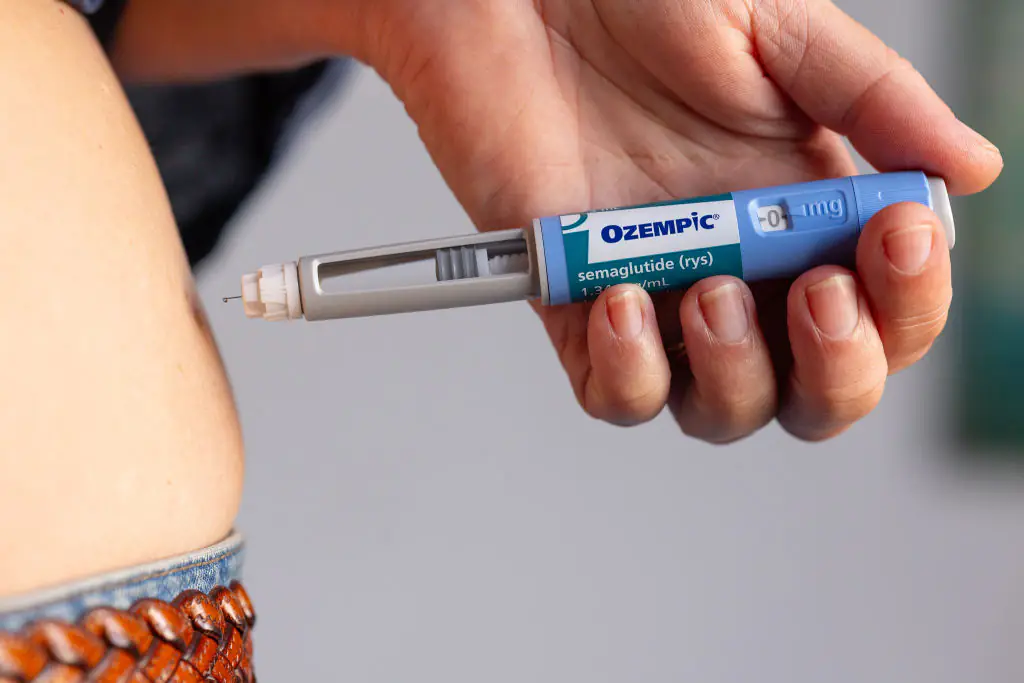
Instead, she says the experience quickly became a medical ordeal. "I took one shot of the lowest dose of a synthetic GLP-1, and to say I had an adverse reaction would be somewhat of an understatement," Bialik wrote.
She described suffering from "explosive, uncontrollable diarrhea," "sulfur burps so violent they left me afraid to open my mouth in public," and "sneezing attacks every time I tried to eat or drink - which apparently has a name, snatiation.
"Cramping. Bloating. Full-body aching, as though I had the flu," she continued. "And an inability to keep down even small sips of water without sprinting to the bathroom with yet more explosive diarrhea. More than three times, I didn't make it."
The Blossom actress said she could barely eat during the first days of her reaction.
"For the first two [days], I ate maybe one cup of rice and half a banana," she wrote. "Also some broth, which promptly left my body. I couldn't even keep electrolyte drinks down.
"Everything exited with a rage that left me weak and debilitated," Bialik added. "I was in constant contact with my prescribing doctor throughout - and when I couldn't keep even a sip of water down, a nurse came to my home to administer IV fluids."
Despite the severity of her symptoms, Bialik said she was surprised by how routine her medical team seemed to consider the reaction.
She later learned that gastrointestinal issues, including nausea, vomiting, and diarrhea, are among the most commonly reported side effects associated with GLP-1 medications.
After days of trying to manage the symptoms, she turned to anti-diarrheal medication.
"On day three, I started antidiarrheal medication, which gave me just enough reprieve to eat toast and applesauce," she wrote. "As soon as it wore off, though, the siege resumed as if it never stopped."
.jpg_swI7Lu?tr=cr-0.0.2121.1414,f-webp,q-70,w-1024)
The thought she couldn't shake during her ordeal
Yet even in the middle of her illness, Bialik confessed that she still struggled with body image.
"And yet, in the depth of my misery - my exhausted body, my aching joints, another pair of ruined underwear - a piercing, devastating thought occurred to me: At least you might lose some weight," she wrote. "Even when I was too sick to stand, drink water, or think straight, I was still chasing that dragon."
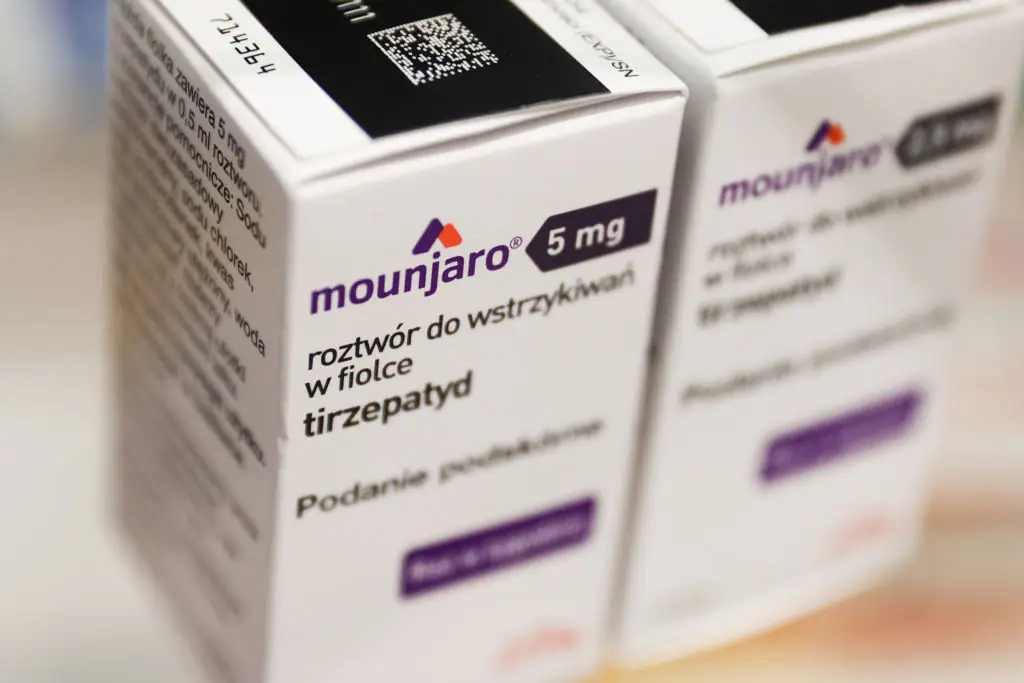
Ultimately, Bialik decided to stop taking the medication and later consulted a gastroenterologist, who told her GLP-1 drugs "are extremely disruptive to the body and should not be used outside of a specific, regulated set of serious medical reasons - namely, life-compromising obesity and its related health consequences" and that she "did not meet that bar".
She said she left the appointment feeling reassured. "A real doctor confirming I was not a freak, that the medication really had done this to me - and trepidatious that there was more to deal with in the coming weeks," she said.
Bialik concluded her essay by reflecting on an unexpected moment after the appointment.
"On my way out, I caught a glimpse of my reflection, and I did not recoil," she wrote. "I did not see under my first chin that second chin on which I had been fixating for months - because it wasn't there.
"My cheekbones were visible. I gazed for a moment, flashed a Mona Lisa smile, and headed to the parking lot, stopping briefly to hike up my skirt, which had started to sag at my hips ever so slightly," she added.