


Health4 min(s) read
People say weight is falling off them after trying 'nature's Ozempic' that costs less than $20
.webp_SmgFsc?tr=cr-292.0.1244.952,f-webp,q-70,w-100)
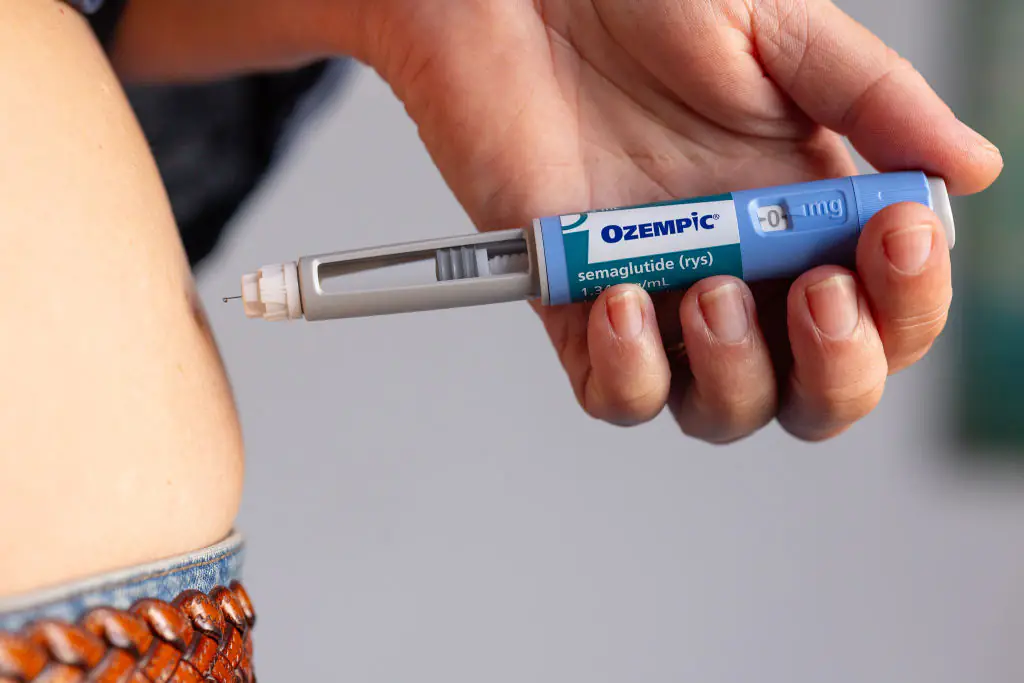
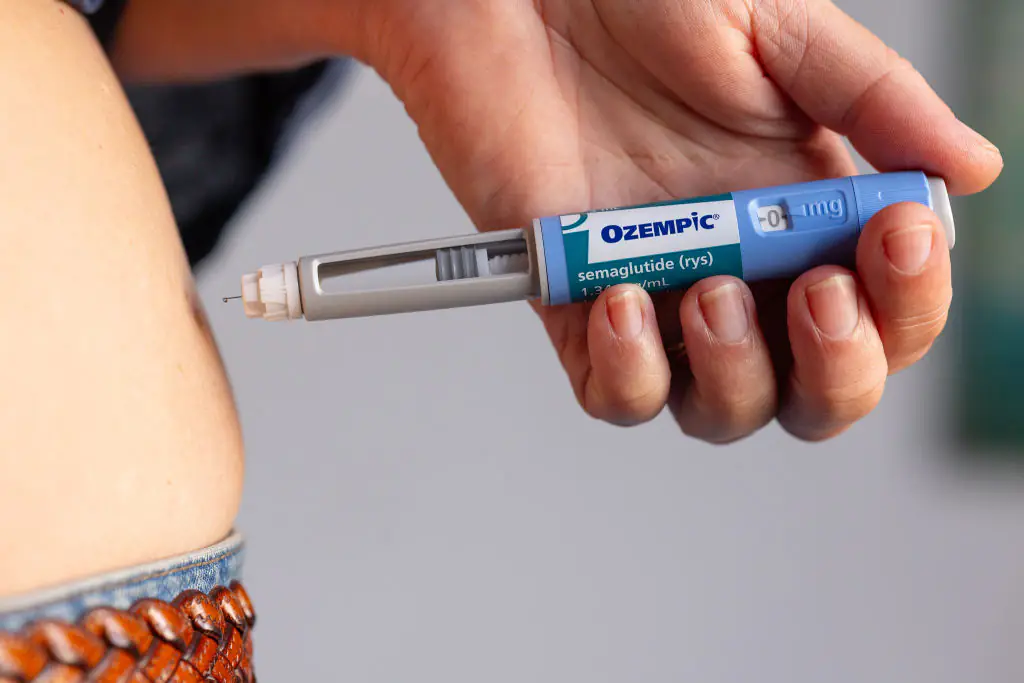
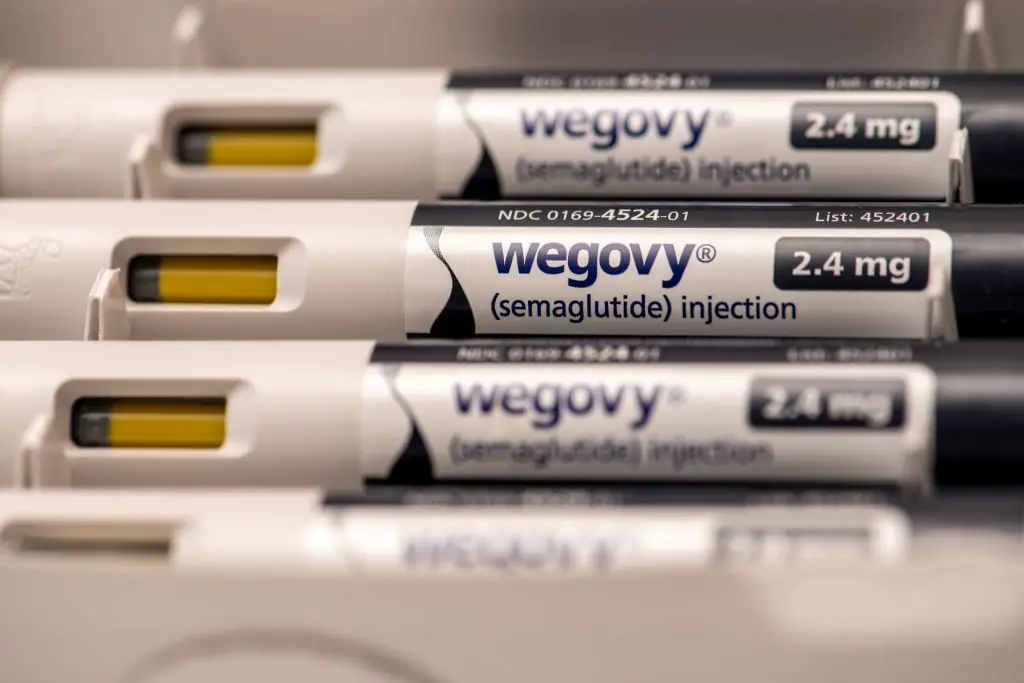
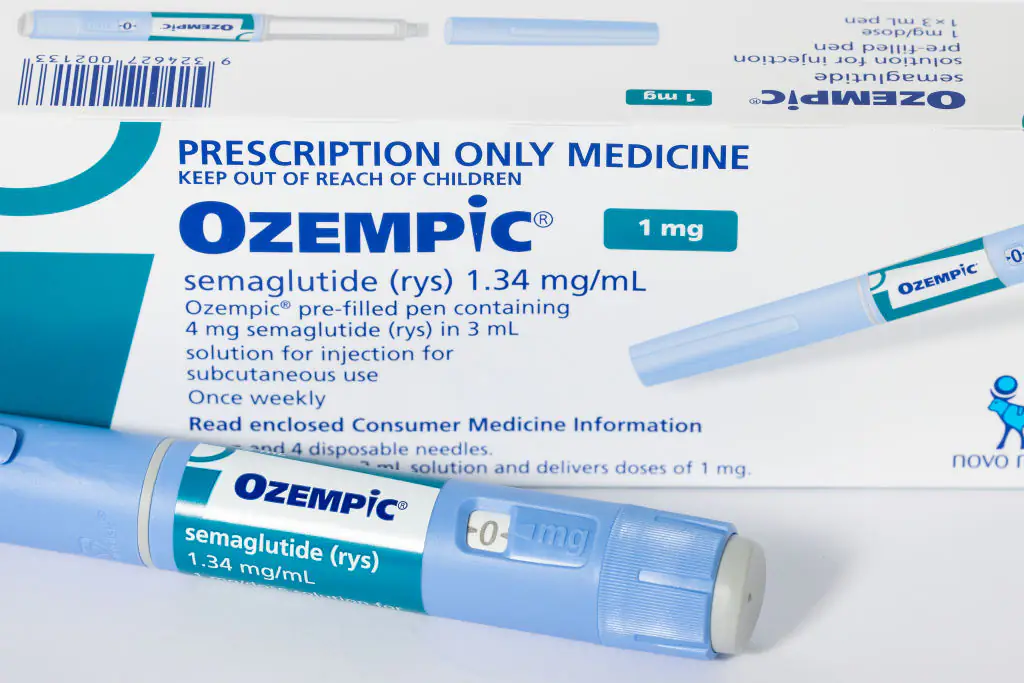
As GLP-1 medications such as Ozempic continue to dominate conversations around weight loss, some people are turning to a much cheaper supplement often dubbed "nature's Ozempic" in the hope of seeing similar results.
Berberine, a plant compound found in species including goldenseal, Oregon grape and barberry, has gained attention online for its potential effects on metabolism, blood sugar and weight management. Many supplements containing berberine can be purchased for less than $20, helping fuel interest among people looking for alternatives to prescription treatments.
Despite the nickname, experts stress that there is currently no conclusive evidence showing berberine works in the same way as GLP-1 medications. Researchers are still studying its effects, and health professionals say much more data is needed before firm conclusions can be drawn.
Why people are calling it 'nature's Ozempic'
Unlike GLP-1 drugs, which mimic a hormone involved in appetite regulation and digestion, berberine appears to work by activating an enzyme called AMPK (adenosine monophosphate-activated protein kinase), which plays a key role in metabolism and energy use.
"Activating that enzyme increases fat burning and reduces the amount of fat you store," Dr. Dana Ellis Hunnes says via UCLA Health. "Berberine may also enhance brown adipose tissue, a type of body fat that plays a role in calorie burning."
Some preliminary research suggests berberine may reduce weight, BMI and waist circumference in people who are overweight. In studies where participants saw reductions in BMI and waist size, they took 1 gram of berberine daily for at least eight weeks.
Still, experts caution that the amount of weight people may lose remains unclear and the current evidence is considered inconclusive.
Users claim it helped them lose weight
While researchers continue to investigate the supplement, some users online have shared positive experiences.
One Reddit user wrote: “I take it. Lost 20 stubborn lbs in 3 months; I’d been trying (with medical supervision) for YEARS to lose that weight. It’s almost completely eliminated my “black hole” eating, where no amount of food would satisfy me. My blood sugar feels more stable; I don’t get super hungry or shaky very suddenly anymore.”
Another commented: “It helped me lower my A1C after my kid was born, lost 20lbs I didn't need really fast.”
A third said: “Yep, love it. My husband recently also started taking it.”
Personal experiences like these have helped boost berberine's popularity, although experts note that individual results do not replace clinical evidence.
Potential benefits go beyond weight loss
Researchers are also exploring whether berberine could support heart health, blood sugar control and digestive health.
Studies suggest berberine may help lower triglycerides and improve cholesterol levels in some people. Research has also indicated it may improve insulin sensitivity and reduce fasting blood glucose levels. Some studies involving people with Type 2 diabetes have found a glucose-lowering effect without evidence that it increases the risk of hypoglycemia.
"Some research shows that berberine may be as effective as metformin — an oral medication people use to help control blood sugar," Dr. Hunnes says. "With more data, we may be able to say that berberine helps decrease the risk of developing Type 2 diabetes."
Researchers are also investigating its impact on gut health. Some experts believe berberine may help regulate the microbiome, which could influence a range of health conditions.
"The microbiome is connected to everything," Dr. Hunnes says. "Any regulation of the microbiome is going to have a ripple effect."
Even so, experts warn that berberine is not risk-free. Reported side effects include nausea, abdominal pain, bloating, diarrhea and headaches. It may also interact with certain medications, including anti-rejection drugs and diabetes treatments. It is not recommended during pregnancy or breastfeeding because of potential risks to infants.
"There needs to be more gold-standard, randomized, controlled clinical trials to understand the true potential of berberine," says Dana Ellis Hunnes, PhD, MPH, RD, a UCLA Health senior clinical dietitian. "Right now, it's considered a dietary supplement as opposed to a tried-and-true medication."
"There are limitations in the research," Dr. Hunnes says. "There are currently not enough high-quality studies with large sample sizes that reflect the broader population."
Dr. Hunnes recommends speaking with a primary care physician, pharmacist or dietitian before taking berberine.
"I also recommend talking to a dietitian," she adds. "Our area of expertise is helping people find realistic and safe ways to meet their health goals."



.webp_QQJmGo?tr=cr-345.0.1535.1190,f-webp,q-70,w-100)

.webp_lli6Ty?tr=cr-74.9.445.380,f-webp,q-70,w-100)
.jpg_RxMwyI?tr=cr-0.0.724.483,f-webp,q-70,w-1024)


.webp_QQJmGo?tr=cr-345.0.1535.1190,f-webp,q-70,w-1024)

.webp_lli6Ty?tr=cr-74.9.445.380,f-webp,q-70,w-1024)
.jpg_RxMwyI?tr=cr-0.0.724.407,f-webp,q-70,w-525,h-200)
.webp_SmgFsc?tr=cr-292.0.1244.952,f-webp,q-70,w-1024)