


Film & TV4 min(s) read
Actress part of uncomfortable scene at 13 wins battle to have film removed 50 years later
.jpg_xKEaT0?tr=cr-0.328.2730.3058,f-webp,q-70,w-100)
An actress who was part of an uncomfortable scene as a teenager has won a legal battle to get the title removed, over 50 years on.
Back in 1975, the film Wrong Move was released in European cinemas, a "German road" film directed by Wim Wenders.
While it starred the likes of Rüdiger Vogler and Hanna Schygulla, it would be a child actor on set who would become the name most infamously associated with the title.
Nastassja Kinski, just 13 at the time, would star in a scene with a 30-year-old man, who undressed and got into bed with her, lying on top of the teen.
But 51 years on from its release, Wenders has agreed to remove the film from circulation, marking a significant moment for the entertainment industry.
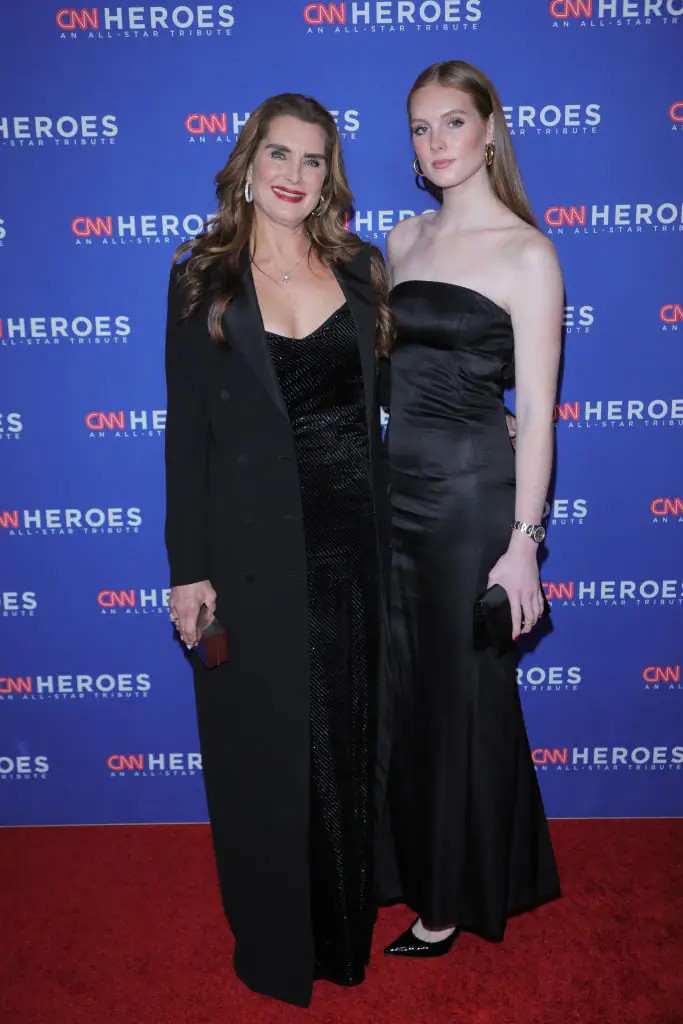
There has been a conversation about the unethical treatment of young girls in the film industry for decades, with victims like Brooke Shields speaking out from personal experience.
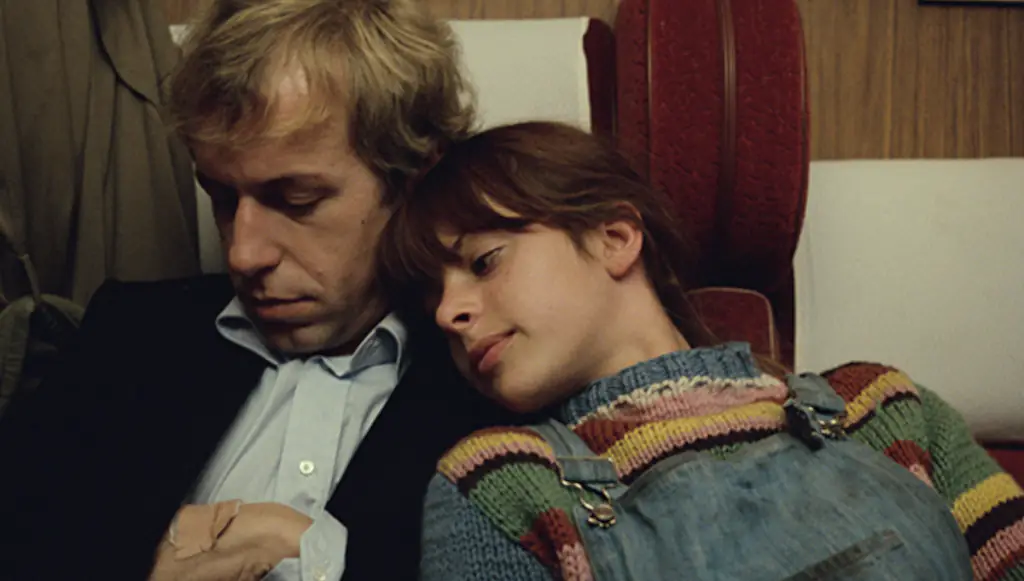
Nastassja's recollection of the scene
Speaking years later, the German actress admitted: "Although I didn't know much at the age of 13, I could already tell that it wasn't right."
Now 65, the former model moved to take action in 2011, claiming that while on set, director Wenders "didn't protect me."
The move to remove the title from the public eye is a massive moment, according to experts.
One of these experts is Tanya Horeck, a Professor of Film and Feminist Media Studies at Anglia Ruskin University.
Speaking to The Mirror, she explained: "It took Wim Wenders an incredibly long time to address and honour what she wanted to happen.
"The film as a piece of art is not more important than the fact that a child was harmed. A film director's ego does not matter more than that."
The history of girls being mistreated in entertainment
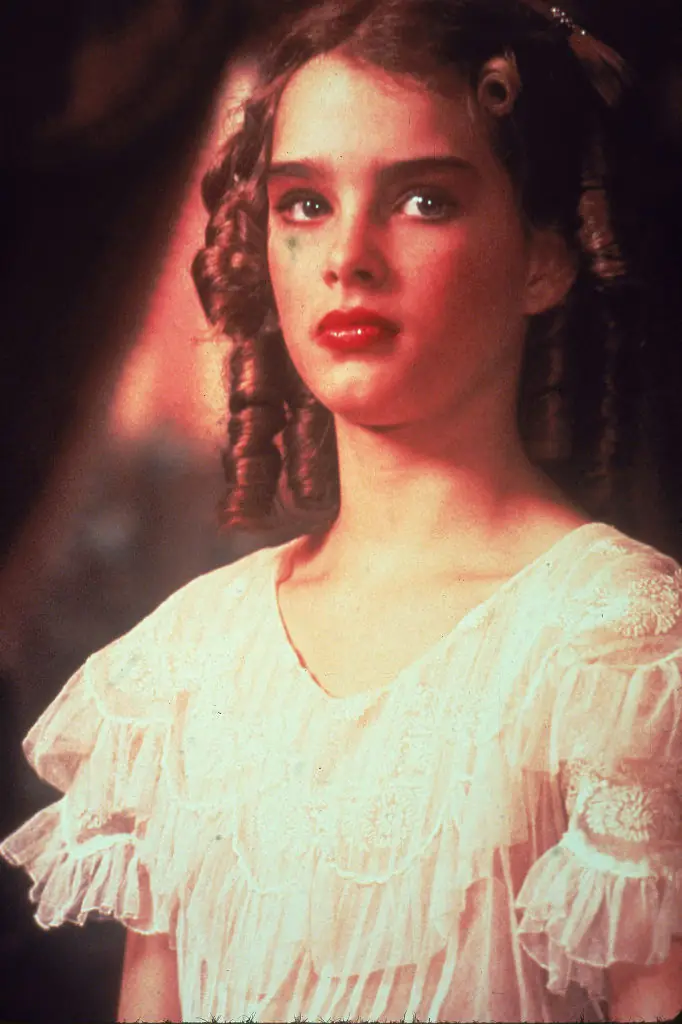
Shields' early career reveals that young girls could be taken advantage of in the entertainment industry, appearing nude in Louis Malle's Pretty Baby in 1978, aged 11.
The actress had played a child raised in a brothel whose virginity was auctioned off, and Shields even had her first kiss, which was on camera, with a 29-year-old Keith Carradine.
Professor Horeck went on: "There is not a time limit on these cases. Trauma is a very complicated thing. It's not necessarily that these films will always be removed, but we do need to reframe them and have open conversations about the production context.
"You can't separate what happens on set from the final product. Every film can't be withdrawn, but the point is that we need to recognise the harm that has occurred on sets, and acknowledge that that has to be part of how cinema is now framed and viewed."
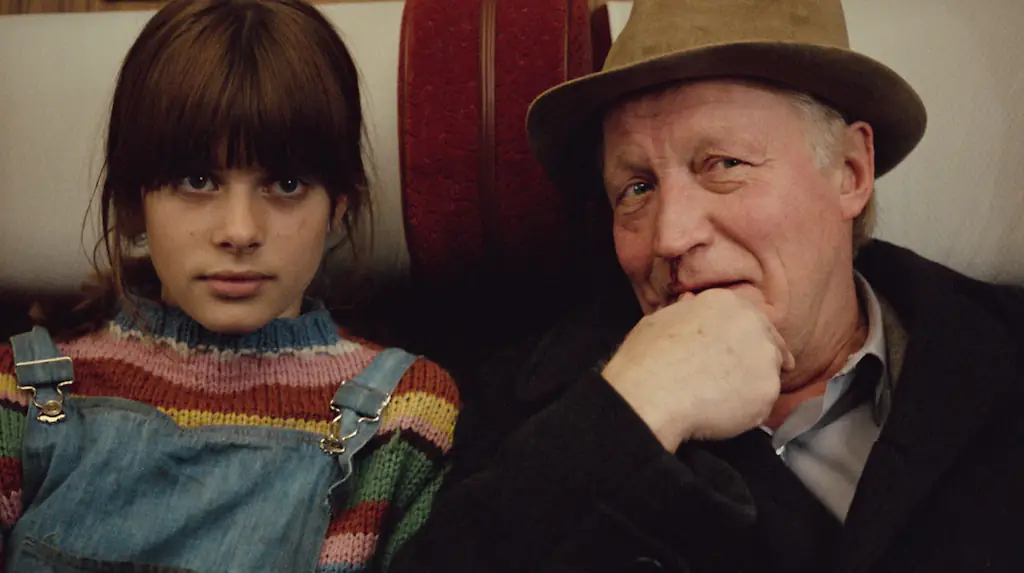
Nastassja's battle with Wrong Move creators
Nastassja first raised issues with Wrong Move in 2011, explaining that as a 13-year-old who was on her first ever film set, she had nobody on her side.
This included Wenders, who was 33 at the time, as she reflected: "That was my first film, he was my first director, and he didn't protect me.”
Just last month, the director spoke at the German Film Awards, and while collecting a lifetime achievement award, he addressed the controversy with the actress, though it was interpreted as an attempt to make Nastassja's demands look like a threat to cinematic freedom.
But within days, he would issue a statement, apologising to her and announcing that the film would be pulled.
He stated: "I recognise that Nastassja Kinski should have been better protected back then,
"For that, I apologise to you, Nastassja, unreservedly, no ifs and buts."
The actress replied on her Instagram page, pointing out that it took pressure from the public to force his hand, as she penned: “Wim, after all these years, only now the public has commented in so many newspapers …. although I asked so long ago.”
.jpg_I4Ebof?tr=cr-0.338.2730.3068,f-webp,q-70,w-100)






.jpg_I4Ebof?tr=cr-0.338.2730.3068,f-webp,q-70,w-1024)


