


Sport3 min(s) read
Reason World Cup soccer players are cutting holes in socks

The reason why soccer players at the World Cup are cutting holes in their socks has been explained.
If you've been watching this year's tournament, then you may have noticed something unusual about a growing number of players' kits.
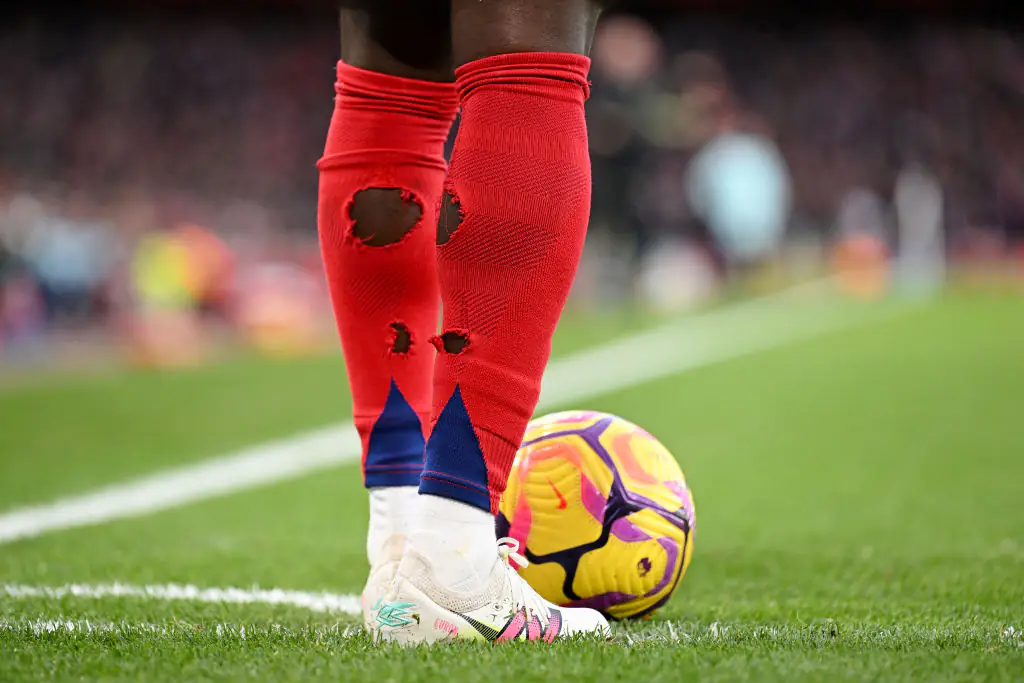
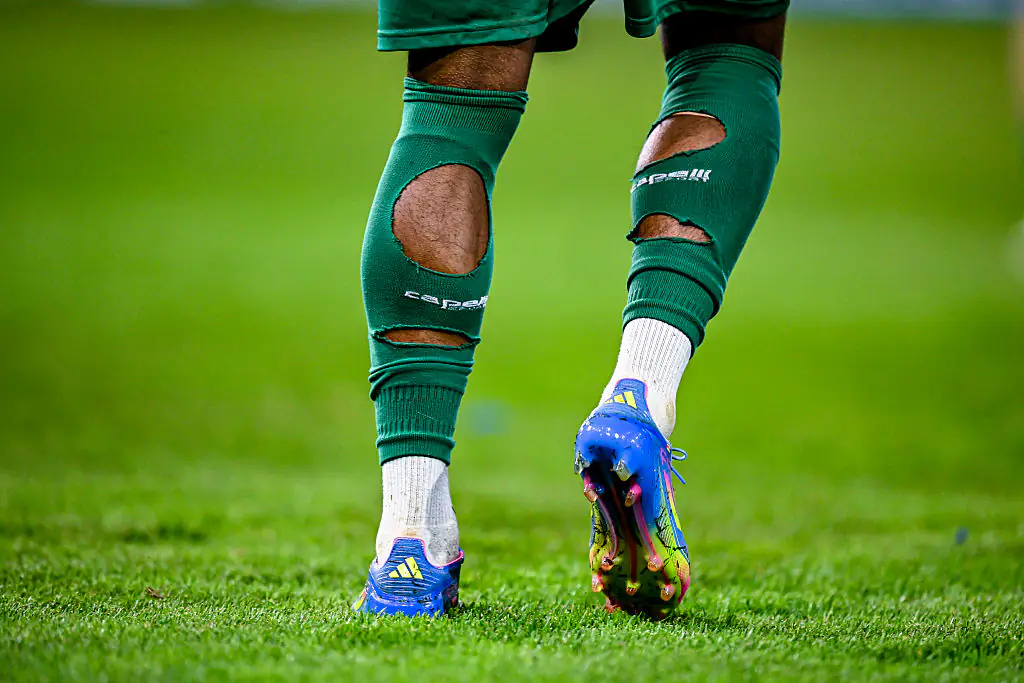
Across several matches, many stars, including England's Jude Bellingham and Bukayo Saka, have been spotted wearing socks with large holes cut in the calf area.
This has left viewers wondering whether the strange look offers some kind of competitive advantage.
However, despite the various theories floating around on the internet, experts say there is still no scientific evidence that the practice actually improves performance.
Why are players cutting holes in their socks?
Players have been seen modifying their socks at many major international tournaments over the past decade.
Professional soccer socks are specifically designed to fit tightly. They help keep shin guards in place while supporting the ankle, foot arch, and calf, Wired reported.
They are also meant to manage moisture and reduce foot movement inside the cleat, which improves stability during matches.
Even though modern materials have become lighter and more durable over the years, today's socks are mostly made from synthetic fibers such as polyester, nylon, and spandex.
Despite that, some professional players say the socks feel overly restrictive around their calves, and this causes tingling and numbness during matches.
To combat that sensation, they cut several holes into the calf section of their socks midway through matches in an attempt to "release tension" and make running feel more comfortable.
There's also a psychological element, as some players simply feel more comfortable and confident after making the change.
Former West Ham United striker Frank Nouble told The Athletic in 2023: "You look good, you feel good, you play good. It’s always about being as comfy as possible on the pitch."
What have experts said about cutting holes in socks
In 2023, Dr Raj Brar, from 3CB Performance, told Tifo Football that there's no scientific evidence that cutting holes in socks actually improves performance or prevents injuries.
"One way of medically reducing pressure on the calves is the opposite of cutting holes in them, through using higher-pressure compression socks in between games as a recovery measure," he said.
"That will increase circulation and reduce swelling to varying degrees based on the level of pressure (tightness) of the sock. Besides, footballers get more than enough activity through their calves to not worry about circulation and swelling pooling up," he added.
Former Hummel CEO Allan Vad Nielsen also suggested the issue may come down to how some socks are made.
"Some brands knit their socks very tightly to improve the visibility and clarity of their logos, which can result in a snug fit that some players find uncomfortable. But more advanced materials like polypropylene provide better consistency and durability," he said.
"New technologies have enabled better cushioning zones in the ankles and compression zones that provide better blood transportation, reducing the risk of injuries and enhancing performance. Additionally, mesh inserts are now used in football socks to improve heat control and ventilation, keeping the feet dry and cool," he added.
Not everyone is convinced, though, as former England and Manchester United defender Gary Neville questioned the trend on his Stick to Football podcast in 2024.
"They have about 400 pairs of boots, they have everything made to measure," he said. "I’m not having that Nike or a sponsor of a kit don’t make them a slightly bigger pair of socks."


.jpg_I4Ebof?tr=cr-0.338.2730.3068,f-webp,q-70,w-100)


.jpg_I4Ebof?tr=cr-0.338.2730.3068,f-webp,q-70,w-1024)


