Uncategorised3 min(s) read
uncategorised3 min(s) read
uncategorised2 min(s) read
tech & innovation3 min(s) read
Apple's highly anticipated event on September 9, 2025, unveiled a fresh batch of iPhones, but people aren't sure about the price.
First up is the standard iPhone 17, which boasts several impressive upgrades while maintaining a familiar design.
One of the standout features of this model is its 6.3-inch display, which is slightly larger than the previous generation, now enhanced with a 120Hz ProMotion panel.
This upgrade offers smoother scrolling, improved gaming, and a better overall viewing experience.
Under the hood, the iPhone 17 is powered by Apple’s new A19 chip, ensuring faster performance and greater energy efficiency.
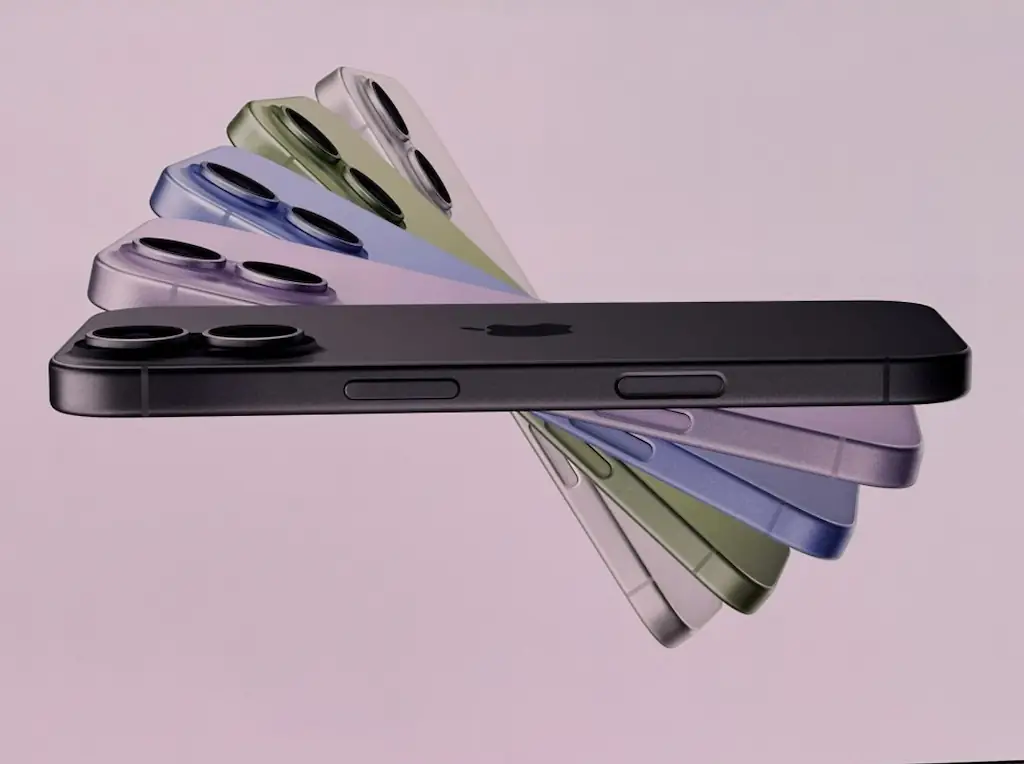
Additionally, the new iPhone comes in a range of stylish colors, including lavender, mist blue, black, white, and sage.
The camera system has also been upgraded, with easy switching between portrait and landscape shots and a more stable selfie camera for video capture.
Starting at £799, the iPhone 17 offers substantial value with its improved display, performance, and new camera system.
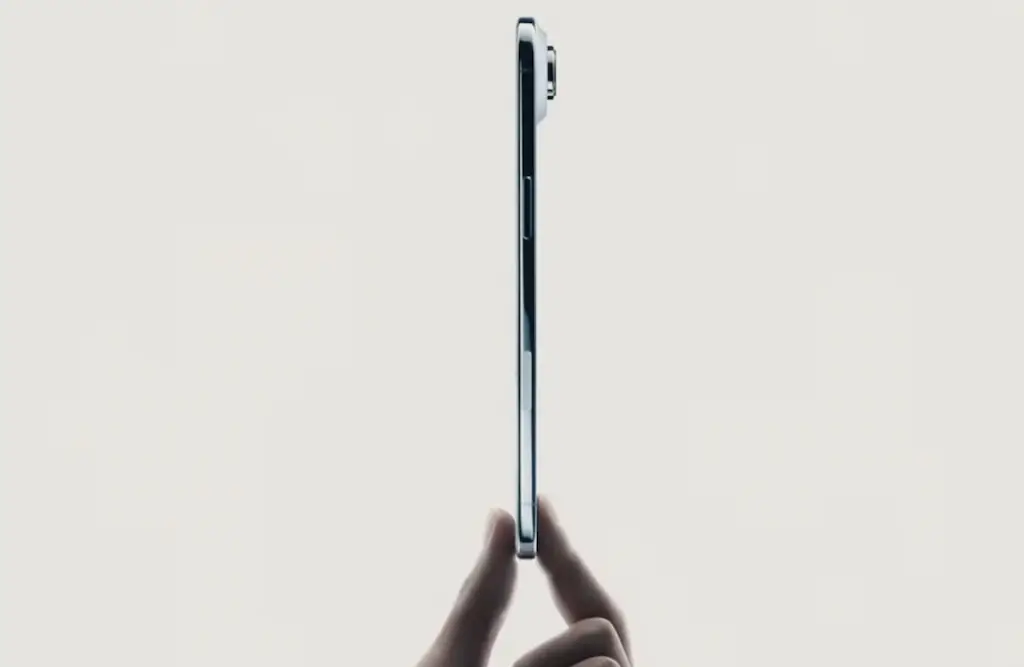
Touted as Apple's thinnest iPhone ever, the iPhone Air measures just 5.6mm in thickness - an impressive feat considering the device’s features.
Made from durable titanium, this model is not only light but also incredibly resilient, with Apple claiming it to be the most durable iPhone design yet.
The iPhone Air comes with a 6.5-inch ProMotion display, a 48MP Fusion main camera with a 2x telephoto zoom, and 12GB of RAM.
Its advanced camera system includes next-generation portraits, and Apple promises "all-day battery life" despite its slim build. Apple also introduced a new adaptive power mode in iOS 26, which learns your usage patterns to maximize efficiency.
On the design front, the iPhone Air comes in space black, cloud white, light gold, and sky blue, offering a range of attractive color options.
One standout feature of this model is its shift to eSIM-only, eliminating the traditional SIM card slot entirely.
Apple's goal with the iPhone Air is to create a device that feels like "a piece of the future, powerful, yet so thin and light it seems to disappear in your hands," said one Apple presenter during the event.
However, the iPhone Air's premium design comes with a higher price tag.
Priced at £999, it's £200 more expensive than the standard iPhone 17, which has left some potential buyers questioning whether the extra cost is justified.
While some see the iPhone Air as a premium, affordable option, others have voiced concerns about the price.
One X user remarked: "Wtf is Air more expensive than the 17?!" while another added: "I thought Air was cheaper than 17."
Despite the debate over pricing, some fans are enthusiastic about the new model.
"Vintage Apple vibes!" said one person, while another commented: "I love its design."
Here’s how the new iPhone lineup breaks down in terms of price:
iPhone 17: £799
iPhone Air: £999
iPhone 17 Pro: £1,099
iPhone 17 Pro Max: £1,199
Pre-orders for the new iPhones begin on September 12, with the official release scheduled for September 19.
us3 min(s) read
Have you got any unopened first-generation iPhones lying around? Because you might be sitting on an absolute fortune.
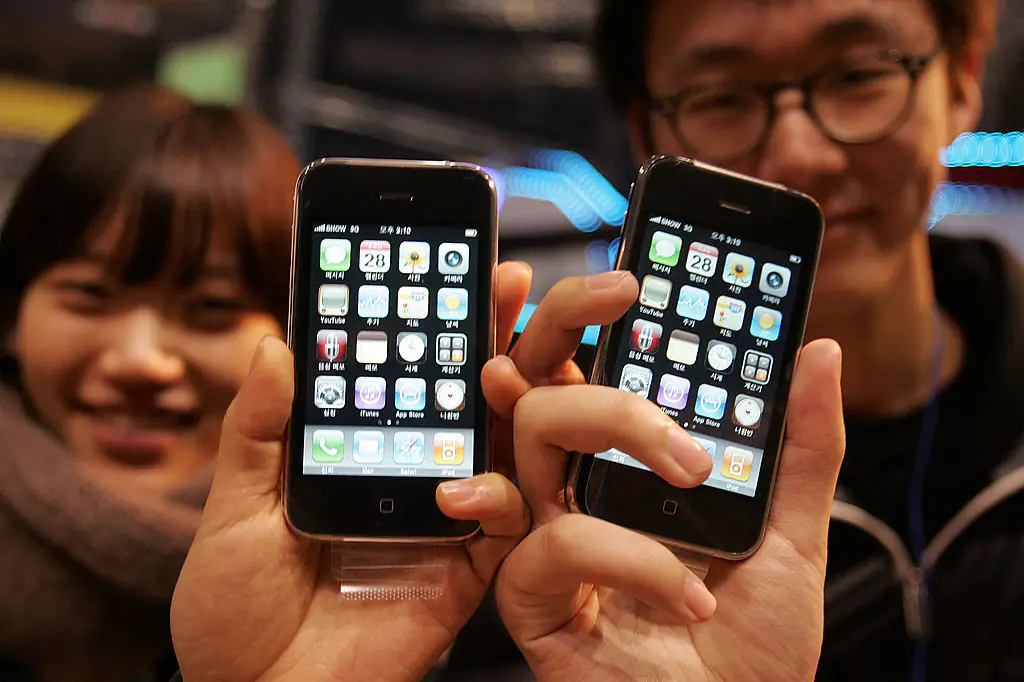
Cast your mind back to the days when owning an iPhone was rare - it seems like an incredibly long time ago, doesn't it?
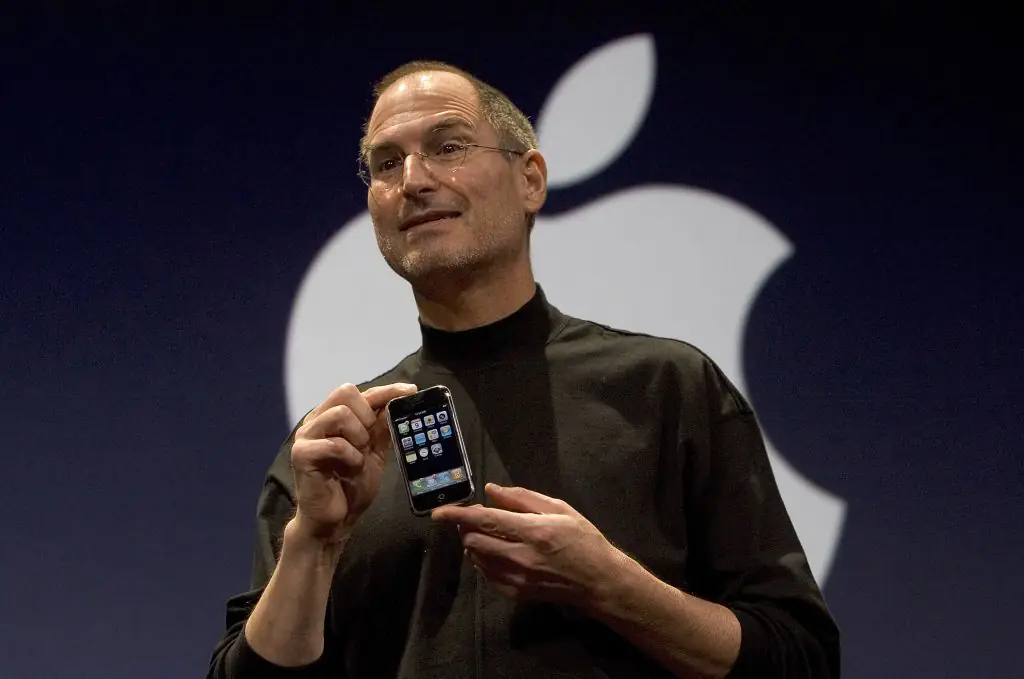
When Steve Jobs first took to the stage and unveiled a touchscreen phone that also acts as a camera and music player, people were absolutely stunned - and now that is seen as the bare minimum.
It turns out that the iPhones that amazed us back in the mid to late noughties are now something of a collector's item, as one has sold at auction for a staggering amount.
As reported by PEOPLE, a first-generation iPhone 4GB sold for a staggering $190,000 - which was way above the estimated price.
The phone was described as the "holy grail amongst iPhone collectors" by LCG Auctions, though the estimate was between $50,000 - $100,000, meaning that it sold for $90,000 more than the highest it was expected to reach.
Still in its original wrapping, the phone was described as an "extraordinary collectible" and "exceedingly rare".
For context - when the iPhone 4GB first hit the market in 2007, you could pick it up for $499... feeling pretty silly that you didn't keep one in mint condition until now, aren't you? But hindsight is always 20/20.
The first bid on the listing came in at $10,000, and it only took 28 bids to take it to the whopping final price tag.
"Its extreme scarcity is directly related to its limited production," LCG wrote on the listing. "The phone's provenance is pristine as the consignor was part of the original engineering team at Apple when the iPhone first launched. Collectors and investors would be hard-pressed to find a superior example."
When the iPhone 4GB was first released, an 8GB counterpart was also on offer and this proved much more popular with customers, and even went as far as to slow the sales of the phone with lesser memory, making it much rarer nowadays.
That doesn't mean that the 8GB version still in the original wrapping is cheap - because that will still fetch over $50,000 at auction.
As per the New York Post, earlier this year a first-generation iPhone 8GB fetched just over $63,000 - a pretty big increase from its original retail price of $599.
The phone was owned by Karen Green who was given it as a gift back in 2007 but kept it in storage as she didn't want to change her current device.
The phones are expected to only increase in value as the years roll on - so it's time to dig through your old drawers with your fingers crossed!
Sadly, modern iPhones won't appreciate in value the same way, simply because there are millions of them.
tech & innovation3 min(s) read
Since Steve Jobs introduced the revolutionary touchscreen phone to the world back in 2007, we've been transported sharply into the smartphone age, and several iPhones, iPads and smart devices later, some people were saying that the Cupertino-based tech giant's time in the limelight was over. But then, on the iPhone's 10th birthday, we saw something we'd never seen before.
For those of you who really want to live like you're in Star Trek, the iPhone X was perhaps the phone which helped you feel like you'd taken a time machine into the future. While other iPhones had featured the signature home button and more recent models introducing fingerprint sensors, the iPhone X was the first model that could be unlocked with your face.
The iPhone X was an unmitigated commercial success, selling millions of units to become the best-selling smartphone in the world, and in the intervening months, competitors have scrambled to match the new iPhone's sale. Most notably, their competitors Samsung.
Samsung recently announced their latest model, the Galaxy Note 9, which comes with the customary USB-C connector, headphone jack and S-Pen stylus, but what was interesting is that the phone's design was 'leaked' in the form of a pre-order form for customers in New Zealand.
Now, a similar leak has occurred in Apple's camp, and with a new line of iPhones expected to be announced this fall, images have been spotted of a new and improved iPhone X - one that looks even bigger than the model we've come to know and love. Yay!
But rather than having to comb random corners of the phone world, the leak in question comes from inside the Apple firmware itself! Notorious Apple firmware reverse-engineer Guilherme Rambo spotted a rather interesting image in the beta for the upcoming iOS 12, along with another icon for a bezel-less iPad. Check it out:
[[twitterwidget||https://twitter.com/_inside/status/1025461747912765441]]
Rambo notes that since this is the beta, we should take these images with more than a little pinch of salt, as there's a possibility they won't look exactly like this moving forward. What we can expect, however, is the presence of dual-SIM for the new iPhone; Forbes' Gordon Kelly says code for this is hidden in the firmware for iOS12.
"Hidden within iOS 12 beta 5, Rambo found references to ‘second sim status’ and ‘second SIM tray status’ in the software’s diagnostic reporting. Interestingly, the latter reveals Apple will have two physical slots for SIMs, rather than one standard and one eSIM - something the company has been working on for years.
At this stage, it is unknown if only the iPhone X Plus is getting this feature, or whether it will also be included in the second generation iPhone X (details) and iPhone 9 (details). Given a second sim takes up more space, I suspect it could be an iPhone X Plus exclusive. It would also prove a useful differentiator to justify the higher price."
Oooh, so there you have it! The new iPhone X Plus could be the next phone announced, and you might be able to enjoy dual SIMs along with it! I can't wait for the next WWDC conference!