


Health2 min(s) read
Grim simulation shows horror side effect of Ozempic that not many people talk about
.webp_lli6Ty?tr=cr-74.9.445.380,f-webp,q-70,w-100)
Ozempic and other GLP-1 medications have boomed in recent years after it was discovered that they can aid weight loss as well as helping control blood sugar.
While they were first developed to treat type-2 diabetes, their weight-loss benefits have meant that they are increasingly used for this purpose instead.
Though some people see it as a holy grail to being able to shift pounds that were seemingly impossible to budge before, the medication isn't without its side effects.
A simulation video made by Zack D Film has shown the horrific side-effects some people can experience when taking GLP-1s.
In the clip, he first explained how the drugs work: "Once Ozempic is in your bloodstream, it activates the parts of the brain that make you feel full, reducing your appetite.
"It also stabilizes your blood sugar, stopping sudden cravings. Then it slows down how fast your stomach empties food, which keeps you feeling full for longer after a meal. This causes you to lose weight as you eat less."
He revealed some of the side effects that many people experience, adding: "But it can make some people feel sick and even give them diarrhea."

According to WebMD, there are other common potential side-effects people can experience, including nausea, vomiting, diarrhea, stomach pain, and constipation.
Some users can also experience pancreatitis, an inflammation of the pancreas which causes vomiting or severe pain in the upper part of your belly that travels to your back.
Other less common side-effect include issues with the gallbladder, low blood sugar, severe stomach pains, vision changes, and there is even the potential for thyroid tumors.
It goes without saying that using Ozempic and other GLP-1s should never be as a quick fix to lose a few pounds, unless you have been prescribed it by a doctor.
It is primarily used to treat type 2 diabetes and to lower the risk of a heart attack, stroke, or death in people who also have heart disease, as well as to help lower blood sugar levels in people with type 2 diabetes.
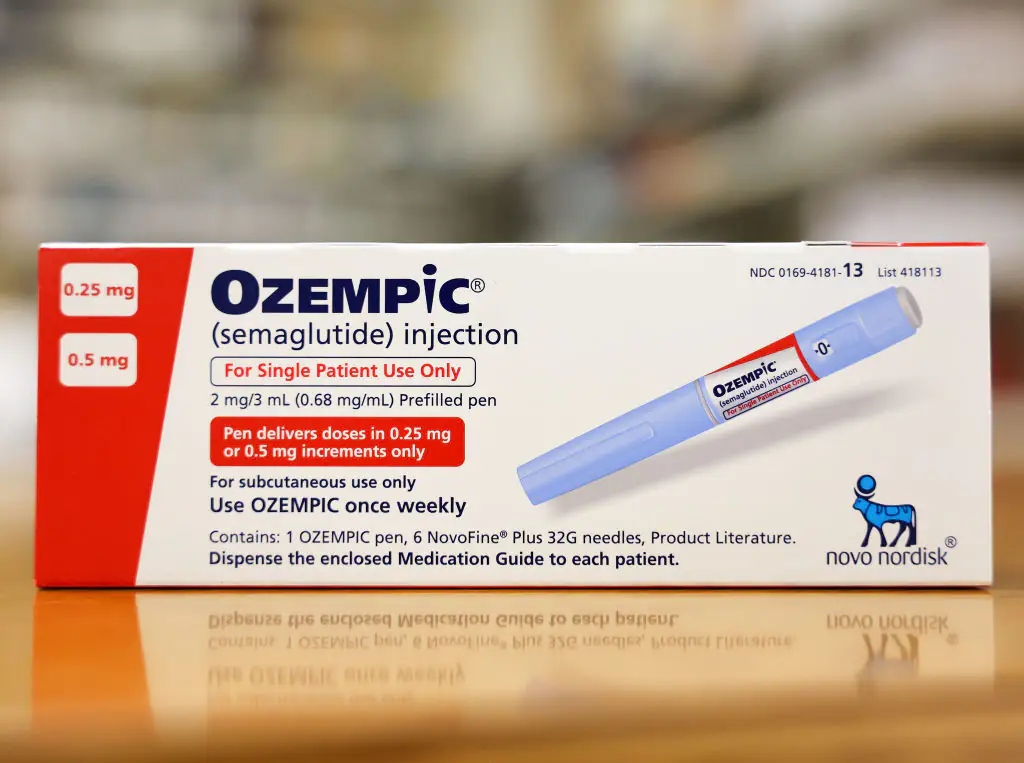
Ozempic and other GLP-1s are usually administered by injection once a week, with the dose being gradually increased over time.
As well as the immediate physical side-effects, some users are noting longer-term changes such as Ozempic face and Ozempic butt - where the skin or the buttocks appear to sag due to the rapid loss of fat from beneath.