


Health3 min(s) read
'Natural Ozempic' explained as scientists claim it's just as effective with 'zero side effects'

Scientists say a "natural Ozempic" could offer the same weight-loss benefits as existing drugs, but without the unwanted side effects.
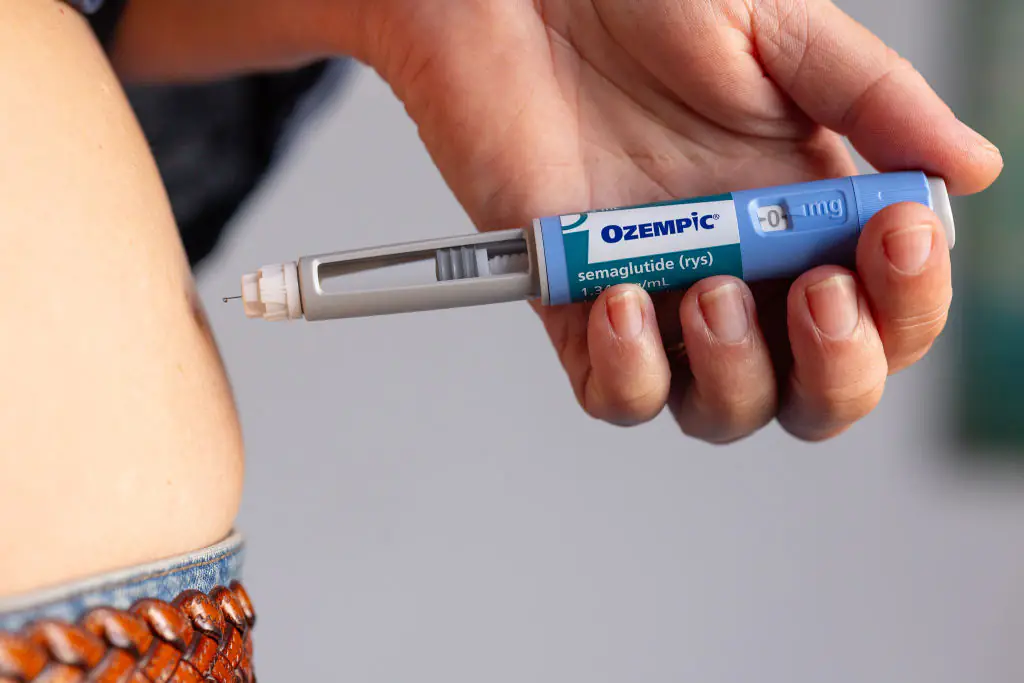
In recent years, millions, including many well-known figures such as Oprah Winfrey and Amy Schumer, have turned to GLP-1 medications to slim down, even as concerns about side effects persist.
A report by RAND discovered that nearly 12 percent of Americans have used these drugs, with about half experiencing nausea and one-third reporting diarrhea.
Now, researchers at Stanford Medicine say they may have found a solution to this problem.
'Natural Ozempic' Explained
Scientists have identified a tiny molecule called BRP that can suppress your appetite in a similar way to Ozempic, but without affecting the rest of the body as much.
Unlike semaglutide, the main ingredient in Ozempic, which affects several organs, BRP seems to work mainly in the brain’s appetite center.
"The receptors targeted by semaglutide are found in the brain but also in the gut, pancreas, and other tissues," assistant professor of pathology Katrin Svensson, PhD, said, per Science Daily.
"That's why Ozempic has widespread effects, including slowing the movement of food through the digestive tract and lowering blood sugar levels. In contrast, BRP appears to act specifically in the hypothalamus, which controls appetite and metabolism," Svensson added.
By targeting a more focused area, health experts believe BRP could help people eat less and lose weight without feeling nauseous, or having constipation and muscle loss.
AI Plays Key Role In Discovery
Artificial intelligence played a major role in the discovery, helping researchers sort through thousands of possible molecules.
They created a tool to study prohormones, which can be broken down into smaller peptides that affect things like metabolism.
"The algorithm was absolutely key to our findings," Svensson said.

Promising Results in Early Testing
So far, BRP has only been tested in animals, but the results have left researchers impressed.
In both mice and minipigs, a single injection reduced food intake by up to 50 percent within an hour.
In obese mice, daily injections over two weeks led to weight loss driven mainly by fat reduction, while untreated mice gained weight during the same period.
The treated animals also showed improved glucose and insulin responses.
Importantly, researchers observed no major changes in movement, digestion, or behavior, suggesting the treatment may avoid many of the downsides linked to current weight-loss drugs.
Scientists are now working to better understand how BRP interacts with specific receptors in the body and how its effects can be extended for practical use.
"The lack of effective drugs to treat obesity in humans has been a problem for decades," Svensson said. "Nothing we've tested before has compared to semaglutide's ability to decrease appetite and body weight. We are very eager to learn if it is safe and effective in humans."