


Health3 min(s) read
Warning issued to anyone with 'floaters' in eye as new study finds it could indicate serious issue
.jpg_I4Ebof?tr=cr-0.338.2730.3068,f-webp,q-70,w-100)
A warning has been issued to those who experience persistent eye ‘floaters’ as while usually harmless, it could be indicative of something worse.
It’s always better to be safe than sorry, so get checked if you are worried.
Eye floaters - what are they anyway?
When it comes to matters of health, it’s always better to know the symptoms to look out for, and - crucially - not to ignore them when you see them.
Sure, it might cause that extra bit of health anxiety, but forewarned is forearmed and all that jazz - you’d sooner that than to discover you have a problem too late.
With that in mind, we’re here to explain to you a) what eye floaters actually are, and b) why a study suggests that you need to (quite literally) keep an eye on them.
The study comes from Radboud University Medical Center in the Netherlands and it assesses the long-term health effects of this particular physical phenomenon.
Known to be related to age and near-sightedness, you’ll probably know what we’re talking about.
Little squiggles and lines or small blurs that dance around the edges of your vision, you know the things, right?
Usually your brain just ignores them, and a few blinks can make them go away, but - while they can be a bit annoying - they seem harmless.
But, the NHS - the UK’s health service - has guidance that tells you when you need to worry.

What is the official line?
Well, it’s usually something called posterior vitreous detachment, which is the consistency of the gel in your eyes changing.
It’s a harmless clumping of collagen, and nothing to worry about.
Unless - as the study suggests - you are experiencing it all the time.
The study, from March 2026, found that serious cases can result in vision loss as it is a sign of retinal detachment.
Unlikely, but worth knowing if this is something you see lots of.
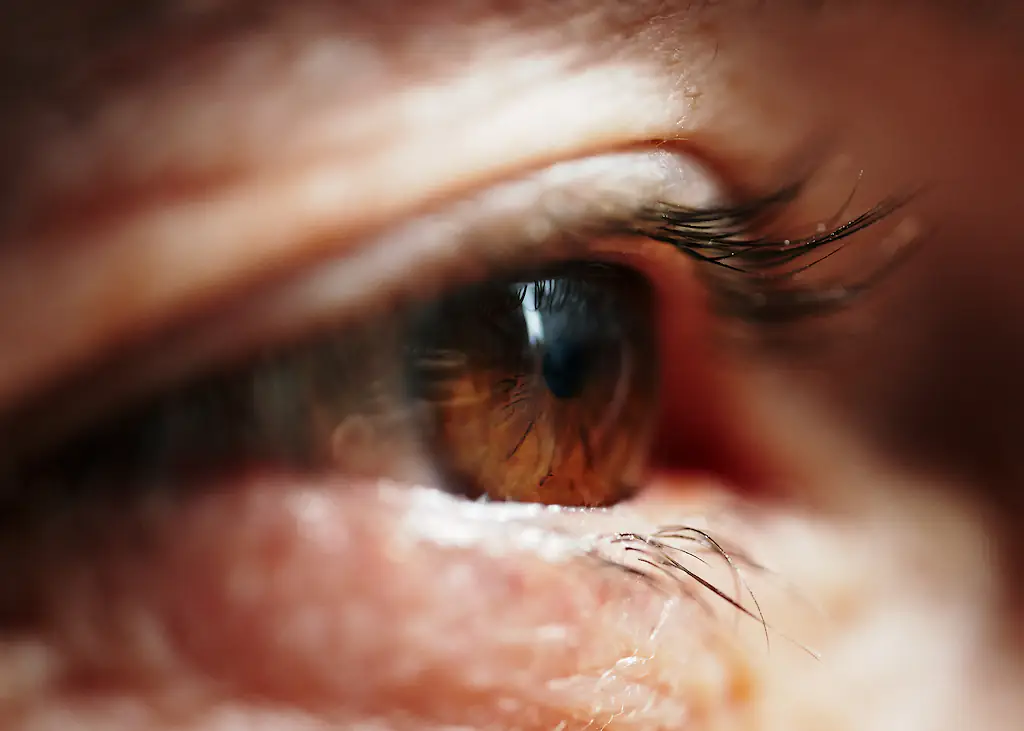
The Dutch study raised a potentially serious concern
The researchers found that sudden occurrences of floaters can indicate retinal detachment.
Their findings were then published in the Annals of Family Medicine.
Basically, the retina - think of it as the light sensor of the eye - pulls away from the eye.
It’s a serious condition, and if not treated it can cause vision loss.
Other symptoms to watch for include flashes of shadows or light across your vision, and other impairments of sight that are unusual.
The study analysed 42,000 patient records, discovering that 1089 patients in total experienced floaters, flashes, or a combo of both.
They separated them into those three groups, and found that from 1,181 visits between the patients, 77 people had suffered retinal detachment or tear.
4.7 percent of those with flashes had retinal detachment or tear, 6.1 percent of those with floaters, and 8.4 percent of those with both.
So, it’s worth keeping an eye on if you have any of those symptoms and they persist - that’s the take home message.
If you experience them once in a while, you’re probably fine, but keep tabs on them as if it’s a more regular thing you may need medical help.
Don’t worry, as the issues can usually be treated quickly and safely with good results, and most floaters in the eye are just harmless.